
Trees
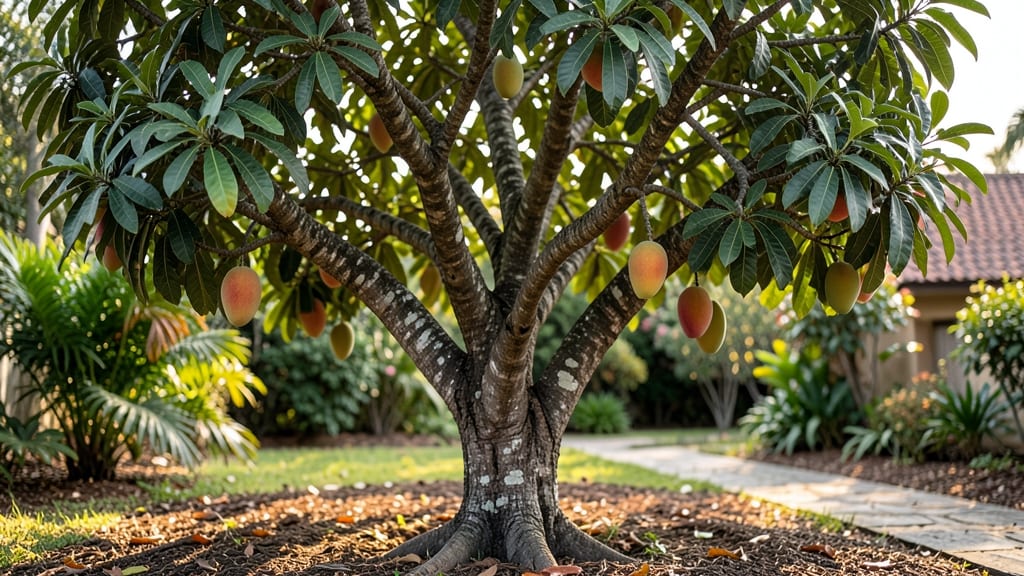
An Alphonso mango tree’s height can reach 20 to 80 feet at maturity—taller than most backyard fences or even small houses—making it a stunning but space-hogging tropical giant 🥭.
Dreaming of growing your own Alphonso mango tree but worried about space? This legendary variety isn’t just prized for its sweet taste—it also grows surprisingly tall, reaching heights that could surprise even experienced gardeners.
If you’re in zones 10-12 (or cooler microclimates like 9b-11), you’ll need to plan ahead: standard varieties can tower over your property, while dwarf or container-grown options stay manageable. The good news? With the right pruning and care, you can keep it from becoming a jungle.
In this guide, I’ll break down how tall your Alphonso mango tree could grow, whether it’s feasible for small spaces, and the simple pruning tricks to control its size without sacrificing those juicy fruits.

How tall does an Alphonso mango tree grow? Height by age and variety
If you're considering planting an Alphonso mango tree in your garden, one of the first questions you'll have is about its height. This iconic variety is known for its exceptional flavor and vibrant orange-red fruit, but its impressive height might surprise you.
Standard Alphonso mango trees can reach heights between 20 to 80 feet at maturity, making them one of the tallest fruit trees you can grow.
Understanding how tall your Alphonso mango tree will grow is crucial for planning your garden layout, especially if you're working with limited space. The tree's height progression varies significantly by age, variety, and growing conditions.
For example, a sapling might only be 2 to 4 feet tall in its first year, but by year three, it can shoot up to 12 to 18 feet. These growth spurts make early planning essential.
Here’s a breakdown of what to expect at different stages of growth, including how climate, soil quality, and pruning practices can influence the final height of your tree.
Whether you're in a tropical paradise or a subtropical microclimate, these insights will help you manage your Alphonso mango tree's height effectively.
The height of your Alphonso mango tree isn’t just determined by its genetics—climate plays a massive role. In tropical regions like India or Florida, where temperatures stay warm year-round, these trees can grow much taller and faster.
For instance, in Maharashtra, India, the birthplace of the Alphonso variety, trees often reach 50 to 70 feet without intervention. In contrast, cooler subtropical zones like Southern California may see slightly shorter trees, typically 20 to 40 feet, due to slower growth rates.
Another critical factor is soil quality. Well-draining, nutrient-rich soil with a slightly acidic pH (6.0–7.0) encourages faster and healthier growth. If your soil is clay-heavy or waterlogged, the tree’s roots may struggle, stunting its height.
Amending the soil with compost or organic matter can make a noticeable difference in growth speed and overall health. Additionally, regular fertilization with a balanced NPK ratio (6-6-6) supports vigorous growth during the tree’s formative years.
For gardeners with limited space, dwarf varieties or semi-dwarf Alphonso mango trees are game-changers. These trees are created through grafting onto dwarfing rootstock, which restricts their height to 10 to 25 feet.
While they may take slightly longer to bear fruit, they’re perfect for containers, small urban gardens, or even large patios. If you’re considering this route, look for grafted saplings from reputable nurseries, as they’re more reliable than attempting to grow a dwarf tree from seed.
Pruning is another tool in your arsenal to control the height of your Alphonso mango tree. Young trees benefit from structural pruning to encourage a strong framework, while mature trees can be pruned to limit vertical growth and improve fruit accessibility.
Always prune during the dormant season (late winter) to minimize stress on the tree. Avoid heavy pruning in the summer, as it can reduce flowering and fruiting in the following season. Remember, the goal is to guide, not restrict, the tree’s natural
Space-saving tips: how to grow Alphonso mango trees in small gardens
If your dream is to grow an Alphonso mango tree but your space is limited, don’t let its towering potential stop you. With the right techniques, you can enjoy homegrown mangoes without sacrificing your garden’s layout.
The key lies in dwarf varieties, strategic pruning, and container gardening—all while keeping your tree healthy and productive.
Even standard Alphonso mango trees can reach 20-80 feet tall, but with thoughtful care, you can control their growth. Whether you’re working with a balcony, patio, or small backyard, these space-saving methods will help you cultivate your own sweet tropical treasure without losing your sanity over size.
- 1. Choose Dwarf Varieties: Opt for dwarf-grafted Alphonso mango trees (10-15 ft max). These are specially bred to stay compact while producing the same delicious fruit.
- 2. Container Gardening: Use large pots (20+ gallons) with well-draining soil. Place near a south-facing window or balcony for full sun exposure.
- 3. Prune Strategically: Trim new growth tips in late winter to encourage bushier growth. Remove suckers at the base to redirect energy upward.
- 4. Espalier Training: Train the tree to grow flat against a trellis or wall, saving 50-70% of space while maintaining productivity.
- 5. Companion Planting: Pair with shade-tolerant herbs (like mint or basil) at the tree’s base to maximize vertical space.
- 6. Root Pruning: For potted trees, trim circumferential roots every 2-3 years to control size and improve fruit quality.
For container growing, select a pot with drainage holes and fill it with a mix of cactus soil, perlite, and compost. This ensures your tree gets the aeration and nutrients it needs without becoming root-bound. Remember to repot every 2-3 years to accommodate growth.
Pruning isn’t just about size control—it’s also about fruit production. Focus on removing dead or crossing branches in late winter or early spring. This encourages airflow and sunlight penetration, which are critical for blooming and fruiting. Just avoid heavy pruning during the fruiting season to protect your harvest.
If you’re working with a small urban garden, consider companion planting to make the most of your space. Plant nitrogen-fixing legumes (like clover) around the base of your mango tree to enrich the soil naturally.
You can also interplant with shade-loving vegetables like lettuce or spinach, which thrive under the tree’s canopy.
With these space-saving strategies, you can enjoy the rich, sweet flavor of Alphonso mangoes even in the tightest of spaces. Whether you’re grafting a dwarf variety, training your tree against a wall, or simply pruning regularly, your small garden can still yield big rewards—literally! 🌱