
Pruning
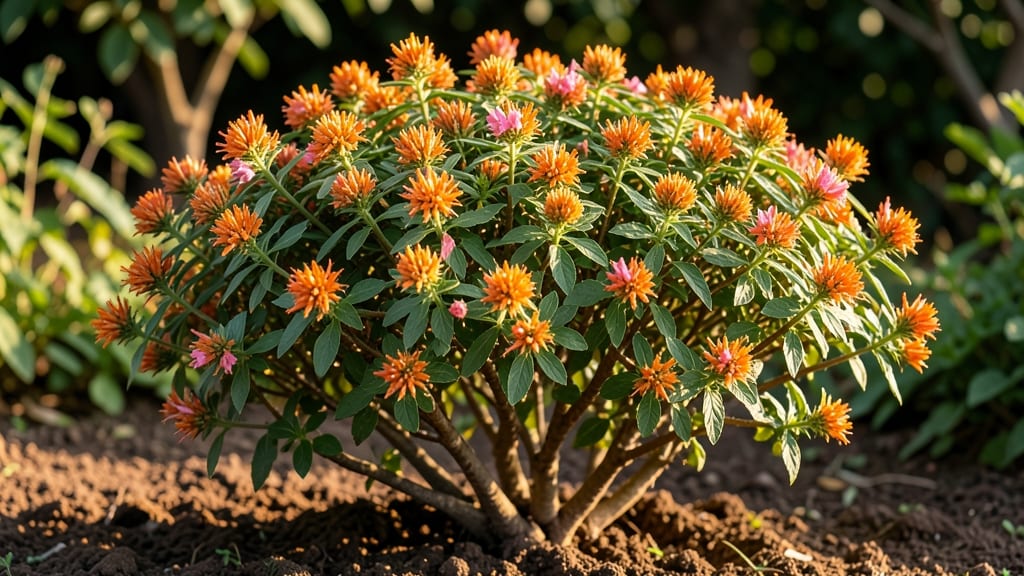
Lantana naturally grows as a bushy shrub, but with the right pruning, you can train it into a small tree form that blooms like crazy. ✨ The secret lies in its wild, multi-stemmed growth—thick branches that spread outward if you let them, or climb upward with support.
My lantana started as a scraggly volunteer plant that now stands 6 feet tall with a proper trunk and cascading flowers, all from strategic cuts and a little patience.
This plant thrives on bold pruning—cut back hard in early spring to encourage new growth from the base, and shape it like a tree by selecting one or three main stems to dominate.
Varieties like 'New Gold' or 'Bandana Series' respond especially well, producing those signature clusters of tiny, fragrant blooms. The key is pruning after flowering to maintain that lush, tree-like structure while keeping it from getting too woody.
What you end up with is a striking focal point in your landscape—imagine a 5-foot-tall lantana with a defined trunk and branches heavy with blooms that last all summer. The flowers attract butterflies like magnets, and the plant stays compact enough for containers or small yards.
With regular pruning, you'll get that perfect balance of height, width, and nonstop color.
Works equally well in full sun or partial shade, though blooms will be more prolific in hot, sunny spots. For container growing, choose dwarf varieties and prune even more aggressively to keep proportions manageable.
The result? A lantana tree that looks intentional, not accidental—exactly the kind of statement plant that makes neighbors ask, "What is that?"
📚 In This Guide
- What you need
- Instructions
- Tips and common mistakes
- Wrapping up and next steps
What you need
- ● Pruning shears: Bypass pruners (sharp, 6–8 inch blades) for clean cuts on small stems.
- ● Loppers: 1 pair (18–24 inch) for thicker branches (½–1.5 inches in diameter).
- ● Pruning saw: 1 hand saw (for stubborn, woody stems >1.5 inches thick).
- ● Disinfectant: 70% isopropyl alcohol or a 10% bleach solution (1 part bleach to 9 parts water) to sterilize tools between cuts.
- ● Garden gloves: 1 pair (cut-resistant, like nitrile-coated) to protect your hands.
- ● Rake or broom: 1 lightweight tool to clear debris after pruning.
- ● Lantana plant: Healthy, mature specimen (3+ years old for best results).
- ○ Pruning sealant: Optional for large cuts (e.g., Tree Seal Tape) to prevent disease entry.
- ● Ladder: 1 sturdy step ladder (if lantana exceeds 6 feet in height).
- ● Plant food: Balanced fertilizer (10-10-10 or 20-20-20) to nourish post-pruning.
- ● Mulch: Organic mulch (e.g., pine bark) to retain moisture and suppress weeds.
- ● Camera: Smartphone or instant camera to document your lantana’s transformation!
Step-by-Step pruning for a bushy, blooming lantana tree form
Transform your lantana from leggy to lush with these simple pruning techniques—no green thumb required.
✂️ Step 1: Prune Back Hard in Early Spring
Lantana thrives when you cut it back aggressively in early spring, just as new growth begins. Grab your pruners and trim back one-third of the plant's height, cutting just above a leaf node or side branch. This shock treatment forces the plant to send out multiple new shoots from the base, creating that dense, tree-like form.
I like to make my cuts at a 45-degree angle about ¼ inch above the node—this prevents water from pooling and rotting the stem. If you see any dead or diseased branches, remove those first. You'll know you're doing it right when the plant looks like it's been stripped bare, but trust me, it's about to burst with new growth.
🌱 Step 2: Pinch New Growth for Bushier Branches
Once your lantana starts sprouting new shoots after the first prune, it's time to encourage branching. Wait until the new growth reaches about 4-6 inches tall, then pinch off the very top of the main stem. This simple trick tells the plant, "Hey, stop growing straight up and send out some side branches instead."
I pinch with my fingers—no need for pruners here. Just squeeze the stem just above a set of leaves, and it'll stop growing upward. You'll see new side shoots emerge within 2-3 weeks. Keep repeating this process on any leggy stems, and soon your lantana will look like a full, rounded tree rather than a single stalk.
☀️ Step 3: Deadhead Regularly for Nonstop Blooms
Lantana blooms like crazy, but to keep it flowering all season, you've got to deadhead spent flowers. Snip off the entire flower cluster right where it meets the stem—this prevents seed formation and redirects the plant's energy into producing more blooms. I do this every 2-3 weeks during the growing season.
Here's the thing—lantana flowers grow in clusters, and if you leave them, they'll turn into seed pods. Those pods look like tiny green berries and signal the plant to slow down blooming. By removing them, you're basically telling your lantana, "Keep going! More flowers!" You'll notice new buds forming at the tips of branches within 7-10 days of deadheading.
✂️ Step 4: Lightly Shape in Late Summer
About 6-8 weeks before your first frost, give your lantana a final shape-up. Look for any branches that are growing too long or looking sparse, and trim them back by half their length. This isn't as aggressive as the spring prune, but it keeps the plant tidy and encourages a fresh flush of growth before winter.
I also use this time to thin out any crowded branches—lantana needs good airflow to stay healthy. If you see any branches rubbing against each other, remove the weaker one. You'll know your shaping is working if the plant looks fuller and more balanced. Avoid heavy pruning now, though—you want to give the plant time to harden off before cold weather hits.
⏰ Step 5: Winter Prune for Next Year's Shape
After your lantana has dropped all its leaves (usually in late fall or early winter), do a final light prune. Cut back any dead or crossing branches, and trim back any that grew too long during the season. This keeps the plant neat and makes spring pruning easier.
I like to do this on a dry day when the plant is completely dormant. It's a good time to assess the overall shape and decide where you want to encourage new growth next spring. A little winter prune now means less work later and a head start on next year's blooms. Just don't cut back too much—lantana is tough, but even it needs a little structure to work with.
Tips & tricks for perfect lantana tree form
Here's what nobody tells you about pruning lantana—these tricks will turn your leggy plant into a bushy, blooming beauty.
Timing is Everything: The early spring prune in Step 1 is non-negotiable for that dramatic transformation. I've learned the hard way that pruning too early (when the plant is still dormant) or too late (after growth has already started) means you'll miss the window for maximum new shoot production. Aim for when you see those first tiny green buds pushing through the soil—usually in late February or early March in most climates. This timing ensures your plant has plenty of warm weather ahead to recover and grow.
Pinch Like a Pro: When you're pinching new growth in Step 2, focus on the main stems first—they're the ones that will produce the most side branches. I like to pinch just above a set of leaves where there are at least two leaf nodes below. This ensures the plant has energy reserves to send out new growth from that point. If you pinch too close to the base, you might stunt growth rather than encourage it. And remember, those new side shoots will appear within 2-3 weeks, so be patient and resist the urge to pinch again too soon.
Deadheading Discipline: The 2-3 week deadheading schedule in Step 3 might seem frequent, but it's worth it for nonstop blooms. I've found that consistency is key—set a reminder on your phone if needed. When you're deadheading, make sure to snip the entire flower cluster right at the stem. If you leave any stem behind, the plant will often regrow flowers from that spot, but they'll be smaller and less abundant. This regular maintenance keeps your lantana looking its best and flowering like crazy all season long.
Tool Selection Matters: While you can pinch with your fingers, invest in a good pair of pruning shears for the other cuts. I recommend bypass pruners for clean cuts that won't crush the stems. For larger branches, use loppers with a 6-8 inch blade—this gives you the leverage to make those precise cuts at a 45-degree angle. Sharp tools make all the difference in creating clean wounds that heal properly and don't invite disease. Always clean your tools with rubbing alcohol between cuts to prevent spreading any potential pathogens.
Pro Tips for Lantana Tree Form
- Here's what nobody tells you about pruning lantana—these tricks will turn your leggy plant into a bushy, blooming bea...
- Timing is Everything: The early spring prune in Step 1 is non-negotiable for that dramatic transformation. I've learn...
- Pinch Like a Pro: When you're pinching new growth in Step 2, focus on the main stems first—they're the ones that will...
Frequently asked questions
Got questions about shaping your lantana tree form into a lush, blooming beauty? We’ve got answers! Here are some of the most common queries from gardeners just like you.
When is the best time to prune lantana for optimal blooms?
The ideal time to prune lantana is late winter or early spring, just before new growth begins. This encourages fresh, vigorous shoots and a burst of flowers. Avoid heavy pruning in fall—it can stimulate tender growth that won’t survive winter frosts.
How much can I cut back my lantana without harming it?
Lantana is highly resilient—you can trim up to one-third of its height without stressing it. For a bushier form, prune back stems by half, and for a tree-like shape, remove lower branches to create a trunk. Just avoid over-pruning in one season to prevent shock.
Will pruning lantana reduce its flowers or attract pests?
Pruning boosts flowering by promoting new growth! Just ensure you’re using clean, sharp tools to avoid spreading disease. Lantana rarely attracts pests, but deadheading spent blooms (snipping just above a leaf node) keeps it tidy and encourages continuous blooms.
Can I shape lantana into a formal hedge or topiary?
Lantana’s flexible stems make it perfect for hedges or topiary. Use a string guide for straight lines and trim regularly (every 4–6 weeks) to maintain shape. For topiary, prune back by 1/3 after each trim to keep it compact.
What if my lantana looks leggy after pruning?
Leggy growth happens when pruning is too late or too light. Solution: Pinch back tips of new shoots to encourage branching, and fertilize lightly with a balanced 10-10-10 mix. Place it in bright, indirect light to prevent stretching. Most lantanas bounce back in 4–6 weeks!
Wrapping up and next steps
Mastering the lantana tree form through pruning isn’t just about shaping—it’s about unlocking a burst of vibrant blooms and lush growth! 🌸 By following the right techniques, you’ll keep your lantana thriving, compact, and full of life.
Whether you’re trimming for shape, encouraging new shoots, or controlling size, your efforts will pay off with a stunning, low-maintenance plant.
Ready to transform your lantana into a blooming powerhouse? Grab your pruners and start pruning today—your garden will thank you! For extra tips, bookmark this guide or explore our pruning calendar to stay on track. Happy gardening! ✂️🌿