
Trees
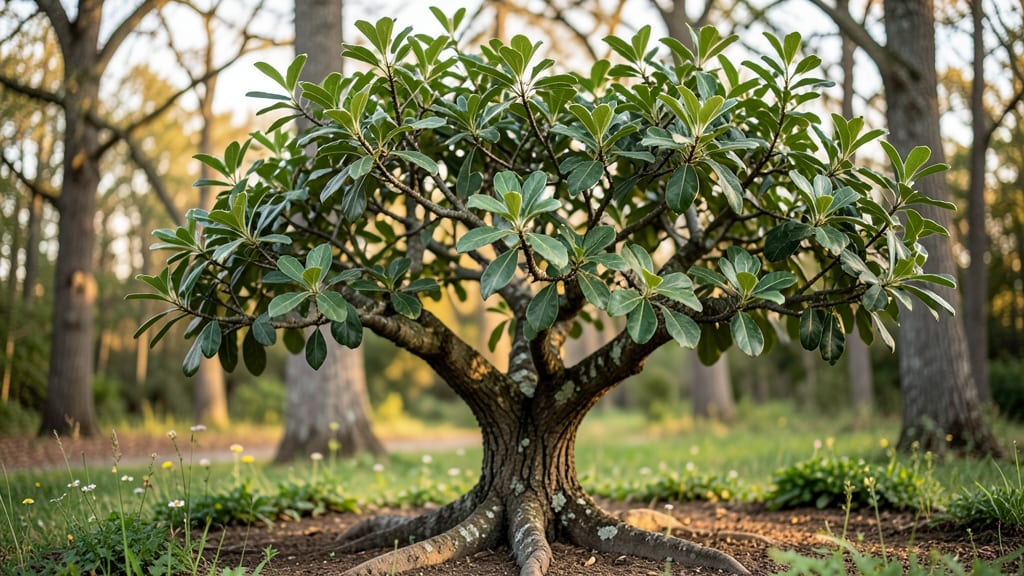
The common persimmon tree leaves are the first clue to whether next year’s fruit harvest will be bountiful or disappointing. 🌿 I’ve seen trees with perfect-looking leaves produce tiny, bitter fruit—and the fix often starts with understanding what those leaves are really telling you about pruning, pests, or hidden stress.
Yellowing edges? That’s often iron chlorosis, but curled leaves mean mites or fungal pressure. Brown spots could signal bacterial blight, while premature drop hints at root stress or over-pruning.
The good news? Each issue has a targeted fix—from soil amendments to strategic cuts—that can turn a struggling tree into a fruit-producing powerhouse within a season.
📚 In This Guide
- What you need
- Instructions
- Tips and common mistakes
- Wrapping up and next steps
What you need
- ● Pruning shears: Bypass pruners (for cuts up to ½ inch thick) – 1 pair (look for sharp, stainless steel blades).
- ● Loppers: For thicker branches (½ to 2 inches) – 1 pair (with a long handle for reach).
- ● Pruning saw: For branches thicker than 2 inches – 1 (with a fine-tooth blade for clean cuts).
- ● Gloves: Heavy-duty gardening gloves (cut-resistant) – 1 pair (to protect from thorns and sap).
- ● Disinfectant: 70% isopropyl alcohol or a 10% bleach solution – small bottle (to sterilize tools between cuts).
- ● Twine or zip ties: For supporting branches if needed – small roll.
- ○ Pruning sealant: (Optional) – small tube (for sealing large cuts to prevent disease).
- ● Weather check: Prune on a dry, cloudy day (avoid extreme heat or wind).
- ● Safety glasses: – 1 pair (to shield eyes from debris).
- ● Long sleeves/pants: Lightweight, long-sleeved clothing to protect from scratches.
- ● Ladder or step stool: (If tree is tall) – stable, extendable (ensure it’s rated for your weight).
- ● Bucket or bag: For collecting pruned leaves/branches – medium-sized.
- ○ Notebook & pen: (Optional) – To sketch the tree’s structure before pruning.
- ● Tree age knowledge: Know if your persimmon is young (1–3 years) or mature (4+ years)—pruning goals differ!
- ● Health assessment: Inspect the tree for diseased or dead branches (they’ll need extra attention).
- ● Reference guide: Print or save this article (or a persimmon pruning chart) for quick tips while working.
Instructions for pruning persimmon trees to maximize fruit yield
Pruning isn't just about shaping—it's about directing energy where it matters most. Here's how to strategically trim for bigger, sweeter fruit.
✂️ Step 1: Time Your Pruning for Optimal Growth
Prune your persimmon tree during late winter or early spring, before buds swell but before new growth begins. This timing ensures you remove last year's dead wood while allowing the tree to focus energy on fruit production rather than healing wounds. I always prune mine in February or March—right after the worst winter cold passes but before the first warm spells trigger sap flow.
If you must prune later in the season, do it immediately after harvest to avoid stressing the tree before dormancy. Never prune during active growing season—you'll stimulate new growth that won't harden off before winter, leaving branches vulnerable to cold damage. Look for dormant buds that haven't yet opened as your visual cue.
🌿 Step 2: Remove Dead, Diseased, or Crossing Branches First
Start by eliminating any branches that are dead, diseased, or rubbing against others. These compete with healthy growth and create entry points for pests. Use clean, sharp pruning shears to make cuts at a 45-degree angle, about ¼ inch above an outward-facing bud. This angle prevents water from pooling on the cut and encourages new growth to angle away from the trunk.
I always scan from the bottom up—removing low-hanging dead branches first improves airflow at the base where moisture lingers. For diseased branches, sterilize your tools with rubbing alcohol between cuts to prevent spreading pathogens. You'll know you're doing this right when the tree's center opens up, allowing sunlight to reach all branches.
☀️ Step 3: Thin the Canopy for Better Light Penetration
Persimmon trees produce fruit on new wood, so focus on creating an open, airy structure that lets sunlight reach all the way to the center. Remove about 20-30% of the canopy, prioritizing branches that: - Grow inward (toward the center) - Cross other branches - Are weaker than surrounding limbs - Have fruit clusters smaller than a golf ball (these won't mature well)
Make cuts just outside the branch collar—the swollen area where the branch meets the trunk. Avoid leaving stubs, as they invite rot. After thinning, you should see sunlight filtering through the canopy on a bright day. This light exposure is what triggers the hormonal shifts that lead to larger, sweeter fruit.
⏰ Step 4: Shape for Airflow and Future Access
Persimmon trees benefit from an open-center or modified central leader shape. Remove competing vertical branches to establish one main trunk with scaffold branches spaced 12-18 inches apart. This spacing prevents branch rubbing and makes future pruning easier. I like to leave 3-5 main scaffold branches on young trees, then gradually thin to 5-7 on mature specimens.
Step back frequently to visualize the tree's structure. You're aiming for a shape that: - Allows easy access to all branches - Prevents branch weight from breaking limbs - Creates a natural taper from trunk to canopy Look for balanced weight distribution—if one side looks heavier, thin that side more aggressively.
💧 Step 5: Clean Up and Monitor Post-Pruning
After pruning, remove all debris from the work area and sterilize your tools with a 10% bleach solution to prevent disease spread. Apply a wound dressing only to cuts larger than ½ inch—smaller cuts seal naturally. Water the tree deeply to help it recover from the stress of pruning, then monitor for new growth within 4-6 weeks.
If you notice excessive sap bleeding from cuts, it's a sign you pruned too late in the season. In this case, simply leave the tree alone—it will heal on its own. Watch for new shoots emerging from the pruned areas as your confirmation that the tree is redirecting energy toward productive growth rather than wound repair.
Tips & tricks for pruning persimmon trees to maximize fruit
These targeted strategies will help you transform your pruning session into a fruit-boosting power move for your persimmon tree.
Timing is Everything: The February-March window isn't just arbitrary—it's when your tree's energy is naturally shifting from dormancy to growth. If you're in a warmer climate where buds swell earlier, don't wait until March. Prune as soon as you see those first tiny green tips appearing, but before they've opened more than a quarter inch. This timing ensures you're removing last year's wood while the tree is still conserving energy for fruit production rather than new leaf growth. I've seen trees that were pruned too late in spring put all their energy into leaves instead of fruit—don't make that mistake.
The 20-30% Canopy Rule: When thinning in Step 3, think of your tree like a well-lit greenhouse. You want sunlight to penetrate all the way to the center branches, not just the outer leaves. That 20-30% removal might seem drastic, but it's what creates the open structure persimmon trees need. For a visual guide, imagine looking at your tree through a lattice pattern—you should see light coming through those gaps. I always start with the weakest branches first, as they're competing with stronger limbs for the tree's limited resources. Remember, persimmons produce fruit on new wood, so you're not just creating space—you're setting up next year's harvest.
Branch Angle Secrets: That 45-degree angle in Step 2 isn't just about aesthetics—it's about directing water and growth. The angle should slope away from the trunk to prevent water from pooling on the cut, which could lead to rot. For the outward-facing bud placement, think of it like a compass: you want new growth to angle away from the trunk and outward. This creates a natural umbrella shape that prevents branches from rubbing together. I've seen too many trees with branches growing straight up or inward—these often break under fruit weight or rub against each other, creating wounds that invite disease.
Post-Pruning Recovery Hacks: After your work, don't just walk away. The first 4-6 weeks are critical for recovery. I always give my trees a deep watering right after pruning to help them recover from the stress. For larger cuts (over ½ inch), that wound dressing isn't optional—it's insurance against disease. But here's a pro move: if you notice sap bleeding excessively, it's your tree's way of saying "whoa, that was too much." In that case, just leave it alone—nature will handle the sealing. Watch for those new shoots emerging from the pruned areas within 4-6 weeks—that's your confirmation the tree is redirecting energy toward productive growth rather than wound repair.
Pro Tips for Common Persimmon Tree Leaves
- These targeted strategies will help you transform your pruning session into a fruit-boosting power move for your pers...
- Timing is Everything: The February-March window isn't just arbitrary—it's when your tree's energy is naturally shifti...
- The 20-30% Canopy Rule: When thinning in Step 3, think of your tree like a well-lit greenhouse. You want sunlight to ...
Frequently asked questions
Got questions about common persimmon tree leaves?
You're not alone! Here are answers to the most common queries to help you master pruning and care for your tree.
When is the best time to prune common persimmon tree leaves (or branches)?
The ideal time to prune is late winter or early spring (just before buds swell) or summer after fruiting. Avoid pruning in fall—it can stimulate new growth that won’t harden off before winter. For heavy pruning, late winter is best to minimize stress.
How much can I safely prune off my common persimmon tree?
You can remove up to 25-30% of the tree’s canopy in one season without causing major stress. Focus on dead, diseased, or crossing branches first, then thin out crowded areas to improve airflow. Never remove more than 1/3 of the tree’s total growth in a single pruning session.
Will pruning my persimmon tree’s leaves/branches reduce fruit production?
Not if done correctly! Proper pruning boosts fruit production by redirecting energy to healthier branches and improving sunlight exposure. However, over-pruning (especially in young trees) can delay fruiting. Aim for selective, strategic cuts rather than aggressive thinning.
Why are my common persimmon tree leaves turning yellow or dropping early?
Yellowing or early leaf drop often signals nutrient deficiency, pests (like aphids or spider mites), or disease (e.g., fungal infections). Check for chewed leaves, webbing, or spots. Treat with neem oil or insecticidal soap if pests are present. For yellowing, test soil pH and amend with iron or nitrogen if needed.
Can I use common persimmon leaves for anything besides pruning?
While not as popular as fruit, persimmon leaves are edible (cooked) and rich in antioxidants. They’re also used in traditional medicine for anti-inflammatory properties. Warning: Always cook leaves thoroughly to avoid bitterness or mild toxicity. Avoid if allergic to Diospyros species.
Do I need to prune my persimmon tree in winter?
Only if removing dead or broken branches—avoid heavy pruning in winter. Cold temps stress the tree, and open wounds can invite disease. If you must prune, do so on mild, dry days and seal larger cuts with pruning sealant. Best practice: Wait for spring!
Wrapping up and next steps
Mastering the art of pruning common persimmon tree leaves isn’t just about trimming—it’s about unlocking your tree’s full potential! 🌿 With the right tools, timing, and techniques, you can transform your persimmon into a fruit-bearing powerhouse.
Whether you’re a seasoned gardener or just starting, these secrets will help you nurture a healthier, more productive tree.
Ready to take the next step? Start by observing your tree this season—note which branches thrive and which need attention. Then, grab your pruners and give those leaves (and fruit!) the care they deserve. Happy pruning! 🌟