
Pruning
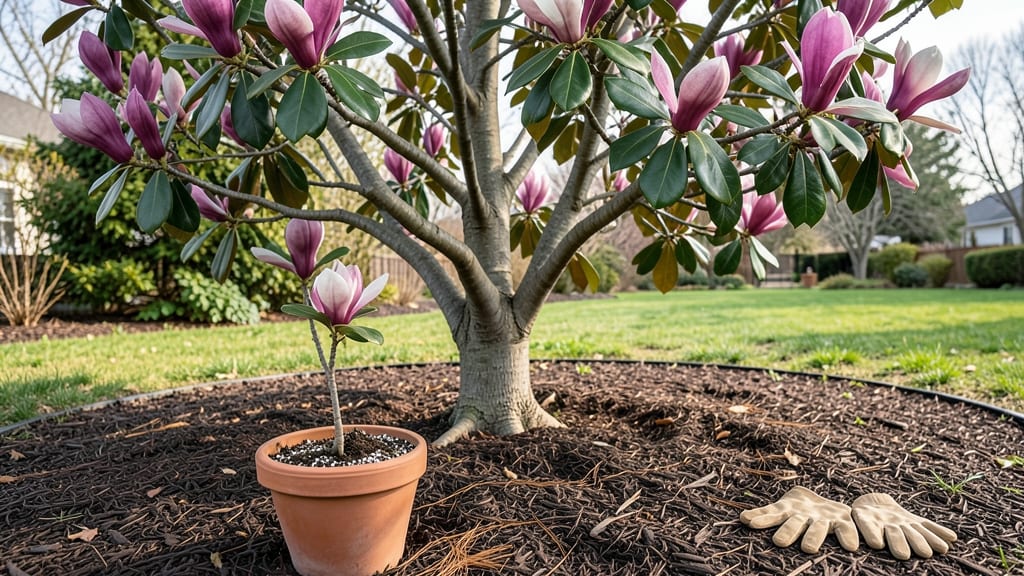
Ann magnolia trees burst with fragrant, creamy-white blooms that turn heads in late winter, but their care isn't one-size-fits-all. 🌸 I've learned the hard way that pruning at the wrong time can turn those showstopping flowers into a sparse, leggy mess—here's how to keep yours thriving for decades.
The secret starts with light, airy pruning right after flowering, when the tree's energy shifts from blooms to new growth. Most people wait until spring or summer, but Ann magnolias reward timely cuts with denser foliage and even more dramatic blooms next year.
You'll need sharp bypass pruners, a ladder for higher branches, and a clear day to avoid working with wet wood.
What you'll end up with is a tree that looks like it belongs in a botanical garden, not just your backyard—glossy dark green leaves, smooth gray bark, and clusters of blooms that perfume the air for weeks.
The pruning itself takes just 30-45 minutes, but the payoff is visible for years. This method works for both young trees you're shaping and mature specimens needing rejuvenation. The key difference?
Young trees need structural pruning, while older ones benefit from thinning out crowded branches to improve airflow and light penetration.
📚 In This Guide
- What you need
- Instructions
- Tips and common mistakes
- Wrapping up and next steps
What you need
- ● Pruning shears: Bypass pruners (sharp, 5- to 8-inch blades) for small branches.
- ● Loppers: Long-handled (20–24 inches) for medium branches (½–1½ inches thick).
- ● Pruning saw: Curved-tooth saw for thick branches (1½+ inches).
- ● Gloves: Heavy-duty, cut-resistant gloves (e.g., leather or synthetic mesh).
- ● Disinfectant: 70% isopropyl alcohol or bleach solution (1 part bleach to 9 parts water) to sterilize tools between cuts.
- ● Ladder or step stool: Sturdy, non-slip (extendable ladder for taller trees).
- ○ Pruning sealant (optional but helpful): Tree wound sealant (e.g., Tanglefoot Tree Wound Pruning Sealer) for large cuts.
- ● Heavy-duty trash bags: For collecting debris (aim for 2–3 large bags per session).
- ● Safety gear: Safety glasses, ear protection (if using a chainsaw), and a respirator mask for dusty conditions.
- ● Extension pole: For high-reach pruners (great for avoiding ladders).
- ● Tree banding: Aluminum or plastic wrap to protect the trunk from sun scald after heavy pruning.
- ● Fertilizer: Slow-release, balanced fertilizer (10-10-10 or 20-20-20) post-pruning for recovery.
- ● Camera or sketchpad: To map out cuts before pruning (helps visualize the final shape!).
Step-by-step guide to pruning your Ann Magnolia tree
Here’s how I keep my Ann Magnolia blooming beautifully while maintaining its natural shape—no guesswork involved.
✂️ Step 1: Prune Immediately After Flowering
Ann Magnolias bloom on old wood, so timing is everything. The best window is right after flowers fade—typically late April to early May in most climates. This gives the tree time to set next year’s buds before winter dormancy. I always carry a pair of sharp bypass pruners and a sterilizing solution (1 part bleach to 9 parts water) to prevent disease spread.
Start by removing dead, damaged, or crossing branches first. These are easy to spot—they’ll be brown, cracked, or rubbing against other limbs. Cut back to the outer branch collar (the swollen area where the branch meets the trunk) to avoid leaving stubs. If a branch is larger than ½ inch thick, use a pruning saw instead. Never cut more than ¼ of the tree’s total canopy in one session—this stresses the tree and reduces blooms.
☀️ Step 2: Thin the Canopy for Better Airflow
Ann Magnolias hate crowded branches. Aim to open up the center of the tree by removing 10-15% of the smallest, interior branches that aren’t producing flowers. These branches compete for sunlight and nutrients, weakening the tree. Look for thin, leggy growth—these are the first to go. I like to step back every few cuts to visualize the tree’s shape from all angles.
When thinning, never leave a stub. Cut branches back to a side branch or bud that’s growing outward. This encourages new growth in the right direction. If you’re unsure where to cut, follow the branch collar—it’s your guide to clean, healthy pruning. Avoid cutting into the trunk or large branches unless absolutely necessary, as this can harm the tree’s structure.
⏰ Step 3: Light Pruning in Late Summer
In late August to early September, give your Ann Magnolia a light maintenance trim. This is when you shape the tree by removing any suckers (shoots growing from the base) or water sprouts (fast-growing vertical shoots). Use your pruners to cut these back to the ground—they drain energy from the main tree. This step keeps the tree’s energy focused on root development and next year’s blooms.
Also check for any new dead branches that may have formed since spring. If you notice yellowing leaves or thinning foliage, this could signal over-pruning or disease. In that case, skip further pruning until spring and focus on watering deeply (about 1 inch per week) and fertilizing lightly with a balanced 10-10-10 formula in early fall.
❄️ Step 4: Winter Protection and Dormant Pruning
If you live in a Zone 6 or colder, wait until late winter (February) to do any final light pruning. This is when the tree is dormant, and you can see its structure clearly. Remove any remaining dead wood or branches that cross and rub against each other. Avoid heavy pruning now—old wood hasn’t set buds for next year yet, and cutting too much can reduce spring blooms.
After pruning, clean up all debris from the ground. Leaving fallen branches or leaves can harbor fungal diseases like anthracnose, which Ann Magnolias are susceptible to. I also apply a 2-3 inch layer of mulch around the base (but not touching the trunk) to protect roots from freeze-thaw cycles. Water deeply once a month in winter if there’s no snow cover to keep the soil from drying out.
🌱 Step 5: Post-Pruning Care for Year-Round Health
The key to keeping your Ann Magnolia thriving is consistent care. After pruning, water deeply (about 1-1.5 gallons per week) to help the tree recover. If you notice new growth slowing or leaves wilting, increase watering slightly. Ann Magnolias prefer well-draining, slightly acidic soil (pH 5.5-6.5), so if your tree is struggling, a soil test can help determine if amendments are needed.
Finally, monitor for pests like scale insects or magnolia leaf gall. If you see sticky residue (honeydew) on leaves or small bumps on stems, treat with neem oil or insecticidal soap as needed. With proper pruning and care, your Ann Magnolia will reward you with vibrant blooms for decades—and that’s a promise I’ve seen hold true in my own garden.
Tips & tricks for pruning your Ann Magnolia tree like a pro
Here's what I've learned after years of keeping my own Ann Magnolia looking its absolute best—these little details make all the difference.
Timing is Everything: I can't stress this enough—pruning right after flowers fade in late April to early May is non-negotiable. This timing ensures your tree has plenty of time to set next year's flower buds before winter dormancy. If you miss this window, you risk cutting off potential blooms. I mark my calendar so I never forget this critical period.
The 25% Rule: Never remove more than 25% of your tree's canopy in one session. This is a hard limit that prevents stressing the tree. I've seen gardeners cut too much and end up with sparse foliage and fewer blooms. Think of it like giving your tree a haircut—you wouldn't shave off a quarter of your hair at once!
Branch Collar Matters: Always cut back to the branch collar, never leaving stubs. This swollen area is where the branch naturally heals, and cutting here prevents disease entry points. I use a small notepad to sketch my tree's structure before pruning—this helps me visualize where each cut should end up at the collar.
Seasonal Checkup: Late summer is your maintenance window for removing suckers and water sprouts. These fast-growing shoots steal energy from your tree's main structure. I make it a habit to check my tree every few weeks during this period—early intervention prevents them from becoming major problems.
Pro Tips for Ann Magnolia Tree Care
- Here's what I've learned after years of keeping my own Ann Magnolia looking its absolute best—these little details make all the difference.
- Timing is Everything: I can't stress this enough—pruning right after flowers fade in late April to early May is non-negotiable.
- The 25% Rule: Never remove more than 25% of your tree's canopy in one session.
Frequently asked questions
When is the best time to prune my Ann Magnolia?
The ideal window is late winter or early spring (just before buds swell), but you can also prune lightly after blooming to shape the tree. Avoid heavy pruning in fall—it can stimulate tender new growth that may not survive winter. Pro tip: If you must prune in summer, do it before August to avoid stressing the tree before dormancy.
How much can I trim back my Ann Magnolia without harming it?
Ann Magnolias are hardy but don’t overdo it—never remove more than 25-30% of the canopy in one season. Focus on dead, diseased, or crossing branches first, then thin out crowded areas for airflow. Warning: Over-pruning can reduce next year’s blooms, as flowers form on old wood.
Why are my leaves yellowing or dropping? Is it a pruning issue?
Yellowing leaves often signal overwatering, poor drainage, or pest issues (like scale or spider mites), not pruning. Check these first:
Not if done correctly! Prune after blooming to preserve flower buds (which set on last year’s wood). Avoid cutting back flowering branches entirely—just shape lightly. Bonus: Strategic pruning can encourage more blooms over time by improving sunlight penetration to the center of the tree. In Zone 5 or colder, wait until late winter (when temps stay above 20°F at night) to prune. Cold snaps can stress fresh cuts. If you must prune in winter, use sharp tools and seal larger cuts with pruning sealant to prevent disease. Pro move: Mulch heavily around the base to protect roots from freeze-thaw cycles.
If the problem persists, prune only to improve airflow, then consult a local arborist.
Will pruning my Ann Magnolia reduce its flowers next year?
Can I prune my Ann Magnolia in cold climates, or should I wait for spring?
What’s the difference between pruning for shape vs. pruning for health?
Health Pruning
Shape Pruning
Removes dead, diseased, or damaged branches first.
Thins out crowded or crossing branches for an open canopy.
Focuses on preventing issues like fungal growth.
Creates a balanced, aesthetic silhouette (e.g., removing suckers at the base).
Can be done anytime (with caution in winter).
Best done after blooming to avoid cutting off next year’s flowers.
Wrapping up and next steps
Caring for your Ann Magnolia doesn’t have to be overwhelming—with the right pruning techniques and a little patience, you’ll enjoy stunning blooms and lush foliage year after year. 🌸 Remember, timing, sharp tools, and gentle hands are your best friends!
Whether you’re trimming for shape, health, or those coveted spring flowers, you’re now equipped to keep your magnolia thriving.
Ready to put your new skills into action? Grab those pruners and start your next pruning session with confidence! Your magnolia will thank you with vibrant blooms and a stronger structure for seasons to come.