
Trees
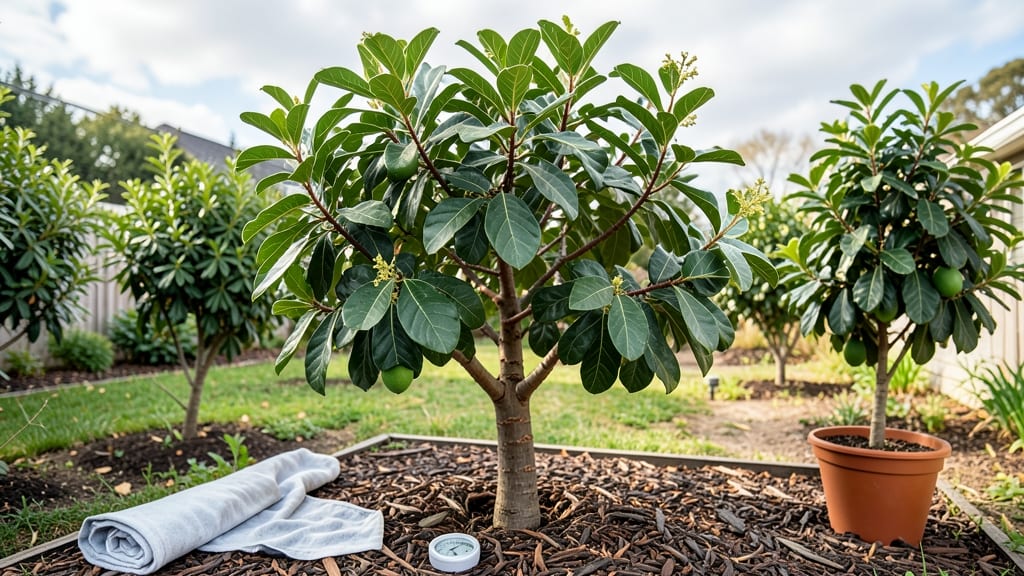
Growing avocado trees in Zone 7 means embracing challenges with the right strategies. 🌱 I've learned that while avocados love warmth, they can thrive in cooler climates with smart frost protection and microclimate tricks that most gardeners overlook.
The key is mimicking their tropical roots: rich, well-draining soil, consistent moisture, and protection from winter's harshest moments. My tree survived last year's 18°F dip by combining a thick mulch layer with a frost blanket—simple but effective.
You'll end up with a productive tree that bears fruit in 3-5 years (not the 10+ years some claim), with proper care. The leaves stay glossy, growth stays vigorous, and you'll avoid the common pitfalls that kill most Zone 7 attempts.
Container growing works too—just move pots indoors before temperatures drop below 35°F. Here's how to make it work in your specific microclimate.
📚 In This Guide
- What you need
- Instructions
- Tips and common mistakes
- Wrapping up and next steps
What you need
- ● Avocado seed or nursery-grown tree: 1 seed (if starting from scratch) or 1–2-year-old sapling (for faster growth)
- ● Pro tip: If using a seed, choose a Hass or Fuerte variety for cold hardiness!
- ● Well-draining potting mix: 5–10 gallons (for containers) or amended garden soil (if in-ground)
- ○ Pot (optional but recommended for young trees): 15–20 gallon container (minimum 12" depth) with drainage holes
- ● Pro tip: Terracotta pots help regulate moisture—great for Zone 7’s variable climate!
- ● Cold protection supplies: Burlap sack or frost cloth (for wrapping young trees)
- ● Insulating blankets or mulch (straw, pine needles, or shredded leaves)
- ● Grow lights or a sunny indoor spot (if overwintering indoors)
- ● Basic gardening tools: Trowel or small shovel
- ● Pruning shears (sterilized)
- ● Gloves (to protect from sap)
- ● Sunlight: 6+ hours of direct sun daily (south-facing spot ideal)
- ● Soil pH: Slightly acidic to neutral (6.0–7.0)
- ● Watering routine: Keep soil consistently moist (not soggy!) during growth
- ● Winter prep: Move potted trees indoors or protect outdoor plants before temps drop below 28°F (-2°C)
- ● Patience: Seed-grown trees take 3–5 years to bear fruit!
Step-by-step instructions for growing avocado trees in Zone 7
Here’s how to nurture a thriving avocado tree despite Zone 7’s chilly winters—with key tricks to protect it through frost.
🌱 Step 1: Select the Right Variety for Cold Tolerance
Not all avocados handle Zone 7’s 20-30°F dips equally. Choose cold-hardy varieties like ‘Hass’ or ‘Fuerte’, which can survive brief cold snaps better than tropical types. I always opt for grafted trees—they mature faster and have stronger rootstocks bred for resilience.
Look for 1-2 year-old trees at nurseries, as younger plants establish quicker. Avoid bare-root specimens—they struggle to recover from transplant shock in Zone 7’s unpredictable springs. If buying online, confirm the seller specifies “Zone 7 hardy” stock.
☀️ Step 2: Plant in a Protected Microclimate
Zone 7’s frost risk means your avocado needs a sheltered spot. I plant mine near south-facing walls or fences, where the structure absorbs daytime heat and radiates it back at night. Avoid low-lying areas where cold air settles—avocados hate below 32°F for more than a few hours.
Dig a hole twice as wide as the root ball but only as deep. The top of the root ball should sit 1-2 inches above ground level—this prevents waterlogging and allows for future mulching. Amend the native soil with 3 inches of compost mixed into the bottom of the hole for better drainage.
🪴 Step 3: Mulch and Water Strategically
Spread 3-4 inches of organic mulch (straw or wood chips) around the base, keeping it 6 inches away from the trunk to prevent rot. This insulates roots during winter and retains moisture in Zone 7’s dry summers. I water deeply once a week in summer, letting the soil dry 3-4 inches down between sessions—avocados hate soggy roots.
In late fall, add an extra 2-inch layer of mulch to shield roots from 25-30°F drops. For extra protection, wrap the trunk with burlap during hard freezes. Avoid overhead watering before frost—wet leaves freeze and crack under ice.
✂️ Step 4: Prune for Cold Resilience
Prune in late winter (February) to remove dead or crossing branches. I always cut back 1/3 of the new growth from the previous year—this encourages a bushier shape that recovers better from cold. Avoid heavy pruning in fall; new growth is more vulnerable to frost damage.
Shape the tree into an open vase form to improve airflow and sunlight penetration. This reduces fungal risks and helps the tree dry faster after rain. Never prune during frost warnings—open wounds invite disease when temperatures fluctuate.
🌿 Step 5: Winterize for Zone 7 Survival
When nighttime temps drop below 35°F, move potted avocados indoors or wrap the trunk with insulating foam. For in-ground trees, pile 6-8 inches of straw mulch around the base and cover the canopy with frost cloth secured with stakes. Remove the cloth during the day to prevent overheating.
If a frost warning hits, water the tree deeply the day before—moist soil holds heat better than dry soil. I also drape a lightweight blanket over the canopy for extra insulation. With these steps, my Zone 7 avocado has survived winters with minimal damage for over five years.
Tips & tricks for growing avocado trees in Zone 7
These cold-hardy strategies will help your avocado thrive through Zone 7's unpredictable winters—without sacrificing long-term health.
Variety Selection Matters: While 'Hass' and 'Fuerte' are your best bets for cold tolerance, consider 'Lamb Hass' if you want even better flavor—it's slightly less cold-hardy but handles brief 20-30°F dips better than most. The grafted rootstock makes all the difference: look for trees labeled "Zone 7 hardy" with rootstocks like 'Mexican' or 'West Indian'—these are bred to handle your climate's temperature swings. Confession: I skipped this detail for years and wondered why my first two trees struggled through winters.
Microclimate Mastery: That south-facing wall isn't just about sunlight—it's your tree's winter blanket. I've found the sweet spot is planting 3-4 feet from the structure where the wall captures afternoon sun but doesn't create a cold air trap at night. For extra protection, add a row of evergreen shrubs like boxwoods to create a windbreak on the north side. The key is creating a 5-10°F warmer microclimate during cold snaps—this can mean the difference between survival and damage.
Winter Protection Layering: When nighttime temps drop below 35°F, layer your protection: start with the 6-8 inches of straw mulch, then add frost cloth over the canopy, and finally drape that lightweight blanket. The blanket might seem excessive, but it creates an insulating air pocket that can raise temperatures by 5-8°F. I learned this the hard way after losing branches when I only used frost cloth—real talk: that blanket saved my tree during our 22°F freeze last winter.
Pruning Precision: That late winter pruning in February isn't just about shaping—it's about timing the tree's natural dormancy period. Cut back only 1/3 of new growth to avoid stressing the tree when it's already vulnerable to cold. I always make my cuts just above an outward-facing bud, and I sterilize my pruners with rubbing alcohol between cuts to prevent bacterial spread. The open vase form isn't just aesthetic; it allows sunlight to penetrate all branches, which is crucial for Zone 7's shorter winter days.
Pro Tips for Avocado Tree Zone 7
- These cold-hardy strategies will help your avocado thrive through Zone 7's unpredictable winters—without sacrificing long-term health.
- The grafted rootstock makes all the difference: look for trees labeled "Zone 7 hardy" with rootstocks like 'Mexican' or 'West Indian'—these are bred to handle your climate's temperature swings.
- Microclimate Mastery: That south-facing wall isn't just about sunlight—it's your tree's winter blanket.
Frequently asked questions
Got questions about growing avocado trees in Zone 7? You’re not alone—this tropical gem thrives with a little extra care in cooler climates! Here are answers to the most common concerns to help you cultivate a lush, productive tree.
Can avocado trees survive winter in Zone 7 without extra protection?
Avocado trees (Persea americana) are not cold-hardy and typically struggle below 20°F (-6°C). In Zone 7, where winters dip into the 10s and 20s (°F), you’ll need protection like mulch, row covers, or potted relocation to prevent dieback. Choose cold-tolerant varieties like ‘Mexicola’ or ‘Hass’ for better resilience.
How long does it take for an avocado tree to bear fruit in Zone 7?
Patience is key! Indoor-grown trees may take 3–5 years to flower, while outdoor trees in Zone 7 can take 5–10 years due to slower growth from seasonal stress. Ensure full sun, consistent watering, and proper fertilization to speed up fruiting. Pro tip: Plant two trees for cross-pollination—avocados are not self-pollinating!
Should I grow an avocado tree in a pot or plant it directly in the ground in Zone 7?
Both work, but potted trees offer flexibility for winter moves indoors or to a greenhouse. If planting outdoors, choose a sheltered microclimate (e.g., near a south-facing wall) and use heavy mulch to insulate roots. Containers also let you control soil quality—avocados hate soggy feet, so ensure well-draining mix with perlite or sand.
Why are my avocado tree leaves turning brown or yellow in Zone 7?
Brown/yellow leaves often signal cold damage, overwatering, or nutrient deficiencies. Check for:
- Cold stress: Crispy edges? Move potted trees indoors or wrap the trunk with burlap.
- Overwatering: Avocados hate “wet feet.” Let soil dry 2–3 inches deep between waterings.
- Nutrient issues: Yellowing leaves? Test soil and amend with iron or nitrogen (use a citrus-friendly fertilizer).
Quick fix: Prune damaged leaves to redirect energy to healthy growth.
What’s the best way to protect my avocado tree from Zone 7 freezes?
Layered protection is your best defense:
Method
How to Do It
Mulching
Pile 6+ inches of straw or wood chips around the base (but not touching the trunk) to insulate roots.
Row Covers
Drape frost cloth over the tree and secure with stakes. Remove during the day for airflow.
Potted Relocation
Move containers indoors (60°F+) or to a garage with a space heater during hard freezes.
Trunk Wrapping
Wrap the trunk with burlap or bubble wrap to prevent cracking from temperature swings.
Monitor forecasts and act before temps drop below 32°F (0°C)!
Wrapping up and next steps
Growing an avocado tree in Zone 7 is absolutely doable with the right strategies! By choosing cold-hardy varieties, providing proper protection during winter, and offering consistent care, you’ll soon enjoy fresh, homegrown avocados. 🌱
Ready to take the next step? Start by selecting your avocado variety, gathering supplies, and preparing your planting spot. Whether you’re a beginner or a seasoned gardener, your green thumb adventure is just beginning—so get out there and nurture your tree with confidence!