
Pruning
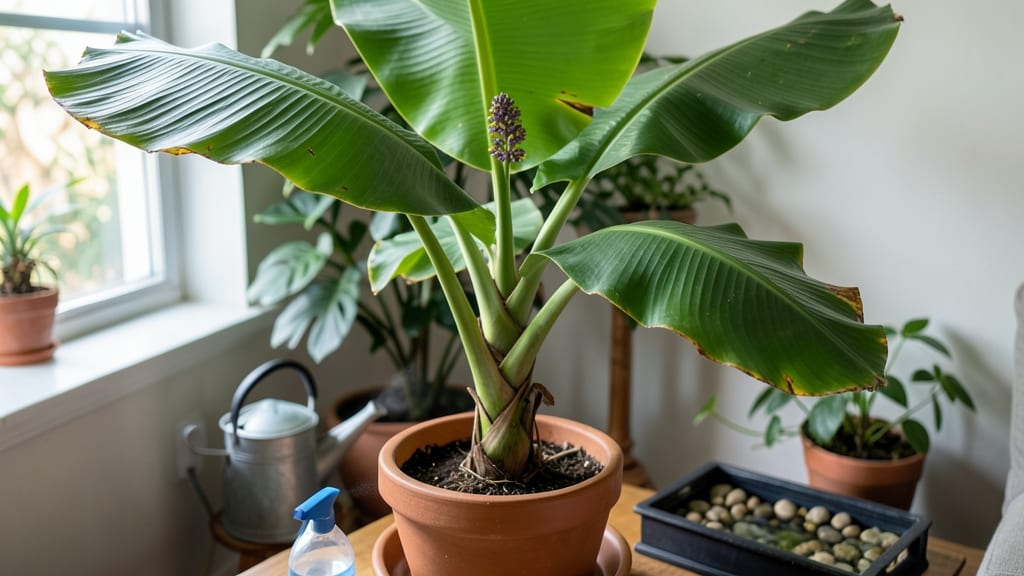
Growing a banana tree inside isn’t just possible—it’s a shockingly lush way to transform any room into a tropical escape. 🌿 I’ve nurtured mine from a grocery store bunch to a 6-foot-tall statement piece, and the secret lies in mimicking its natural jungle environment indoors.
The key isn’t just sunlight or water—it’s creating that perfect balance of warmth, humidity, and vertical space so it doesn’t outgrow your home (or your patience).
You’ll need a bright, south-facing window (or a grow light for 12+ hours daily), a pot with drainage holes, and a mix of potting soil and perlite to keep roots happy.
Banana trees drink water like there’s no tomorrow—soak the soil when the top inch feels dry—but never let it sit in soggy mess. The real magic happens with humidity: mist the leaves daily or set the pot on a tray of pebbles and water to keep the air tropical.
By summer, you’ll see those iconic banana leaves unfurling with embarrassingly dramatic speed, and with the right pruning, you can keep it compact enough for apartments.
Yes, it might take a year or two to fruit indoors (if it ever does), but the journey is worth it—just imagine sipping coffee under your own leafy canopy. The trick is patience and consistency, not perfection.
Here’s where it gets interesting: banana trees grow fastest vertically, so train them up a trellis or sturdy pole—your walls will thank you. And when those lower leaves yellow?
Snip them off (they’re not coming back) and redirect energy upward. It’s not just a plant; it’s a living centerpiece that’ll make neighbors ask, “Wait, you grew that inside?”
📚 In This Guide
- What you need
- Instructions
- Tips and common mistakes
- Wrapping up and next steps
What you need
- ● Banana plant: A dwarf variety (e.g., Musa acuminata ‘Dwarf Brazilian’ or ‘Ice Cream’) from a nursery or online supplier. Pro tip: Look for a 1–2 ft tall plant with healthy green leaves.
- ● Large container: A 15–20 gallon pot with drainage holes (ceramic or fabric grow bags work well). ✨ Bonus: Add a cache pot for extra stability.
- ● Well-draining soil: Mix 60% potting soil, 30% perlite, and 10% coconut coir for aeration.
- ● Support system: Bamboo stakes or trellis: 3–4 stakes (1–2 inches thick) or a vertical trellis (6+ ft tall).
- ● Soft ties: Jute twine or Velcro plant ties (avoid wire—it can damage stems!).
- ● Fertilizer: Balanced liquid fertilizer (10-10-10 or 20-20-20) or orgainc pelletized fertilizer (follow label instructions).
- ● Pruning shears: Sharp, sterilized shears (for trimming dead leaves or overgrowth).
- ● Glove: Garden gloves (banana leaves can be prickly!).
- ● Watering can: With a narrow spout for precise watering.
- ○ pH test kit (optional): To monitor soil pH (ideal: 5.5–7.0).
- ○ Grow lights (optional): LED full-spectrum bulbs (12–16 hrs/day) if natural light is <5 hrs/day.
- ● Space: A sunny corner near a south- or west-facing window (or under grow lights).
- ● Humidity: 60–80% humidity (use a humidifier or pebble tray if air is dry).
- ● Temperature: Keep between 70–85°F (avoid drafts or AC vents).
- ● Patience: Banana trees grow slowly indoors—expect 1–2 ft of growth per year!
Step-by-Step guide to growing a banana tree vertically indoors
Here's how I transform a banana plant into a space-saving vertical masterpiece—no jungle required.
🪴 Step 1: Choose the Right Container and Drainage
Start with a 5-gallon container at minimum—banana trees need room for their roots to spread. I always pick one with drainage holes because soggy roots will rot faster than you can say "tropical downpour." If your pot doesn't have holes, drill a few along the bottom.
Line the bottom with 2-3 inches of gravel or broken pottery to create a reservoir. This keeps roots from sitting in water while still giving them access to moisture when needed. The gravel also prevents the soil from clogging the drainage holes over time.
☀️ Step 2: Select a Sunny Spot and Set Up Support
Banana trees crave bright, indirect light—think 6+ hours of sunlight daily. A south- or west-facing window works best, but if you're in a north-facing space, supplement with a grow light placed 12-18 inches away. Too little light and your plant will stretch like a sleepy cat, growing tall and weak.
Install a trellis or bamboo stake in the pot before planting. I use a 3-foot tall bamboo stake buried halfway into the soil. This gives the plant something to cling to as it grows upward. If you don’t have a stake, a sturdy piece of rebar or even a thick wooden dowel works—just make sure it’s at least 4 feet tall to accommodate future growth.
🌱 Step 3: Plant and Encourage Vertical Growth
Fill the container with well-draining potting mix—a blend of 50% peat moss, 30% perlite, and 20% compost works perfectly. Plant your banana tree so the crown sits just above the soil line—burying it too deep invites rot. Gently firm the soil around the roots but don’t pack it down too tightly.
Water thoroughly until it drains from the bottom, then let the top 1-2 inches of soil dry out before watering again. Here’s the trick: Pinch off any side shoots that form at the base of the plant. This forces energy upward into the main stem, encouraging vertical growth instead of bushy sprawl. You’ll see the difference within a few weeks.
✂️ Step 4: Prune and Train for Maximum Height
As your banana tree grows, tie the main stem to the trellis every 6-8 inches using soft plant ties or even old fabric strips. This prevents the stem from bending under its own weight. I prune any leaves that grow lower than 12 inches from the ground—they’ll just compete with the plant for energy and clutter your space.
When the plant reaches the top of your trellis, cut the stem just above a leaf node to encourage a new upward shoot. This keeps the plant growing vertically while maintaining a manageable height. You’ll end up with a tall, elegant specimen instead of a sprawling mess.
💧 Step 5: Maintain Humidity and Fertilize for Growth
Banana trees love humidity—50% or higher is ideal. If your home runs dry, place the pot on a pebble tray filled with water or use a small humidifier nearby. Mist the leaves occasionally, but avoid wetting the crown to prevent fungal issues.
Feed your plant every 4-6 weeks with a balanced liquid fertilizer (like 10-10-10) diluted to half strength. During the growing season (spring and summer), you’ll see new leaves unfurling every 2-3 weeks—that’s your cue everything’s working. In fall and winter, cut back to once every 8-10 weeks since growth slows.
Tips & tricks for perfect vertical banana tree growth
Transforming a banana plant into a vertical showstopper takes more than just good intentions—here's what actually works in small spaces.
Container Upgrade: While a 5-gallon container is the minimum, I've found that adding 2-3 inches of expanded clay pebbles on top of the gravel layer creates even better drainage. These pebbles help prevent soil compaction over time, which is crucial since banana roots need both moisture and oxygen. The pebbles also create a natural barrier that keeps soil from clogging those drainage holes you drilled.
Light Hack for Small Spaces: If your window doesn't get natural light for 6+ hours, don't give up! Place a full-spectrum LED grow light on a timer for 12-14 hours daily—this mimics natural sunlight perfectly. I position mine 12 inches above the plant and rotate the pot weekly to prevent lopsided growth. The key is consistency: banana plants notice when their light source changes.
Pruning Precision: When you're pinching off those side shoots in Step 3, look for shoots that are at least 6 inches tall—smaller ones won't waste your energy. Use clean scissors or pruning shears to make clean cuts just above a leaf node. I've learned the hard way that leaving even small shoots can create a bushy mess that defeats the whole vertical purpose. The first few weeks after pruning, you might notice new growth slowing down—that's normal as the plant redirects energy upward.
Support System Secret: For the bamboo stake in Step 2, I recommend soaking it in water for 24 hours before using it. This prevents the bamboo from wicking moisture away from the soil as it grows. If you're using rebar or dowel instead, wrap the bottom 6 inches in plastic wrap before burying it—this keeps the metal from drawing heat away from the roots during winter months.
Pro Tips for Banana Tree Inside
- Transforming a banana plant into a vertical showstopper takes more than just good intentions—here's what actually works in small spaces.
- Container Upgrade: While a 5-gallon container is the minimum, I've found that adding 2-3 inches of expanded clay pebbles on top of the gravel layer creates even better drainage.
- Light Hack for Small Spaces: If your window doesn't get natural light for 6+ hours, don't give up!
Frequently asked questions
Got questions about growing a banana tree indoors? You’re not alone! Here are some of the most common queries—plus straightforward answers to help you thrive with your banana tree inside.
How big can a banana tree grow indoors?
A banana tree indoors typically reaches 6–10 feet tall with proper care, though dwarf varieties like ‘Dwarf Cavendish’ stay shorter (4–6 feet). Pruning and container size limit growth—opt for large pots (15+ gallons) to prevent root-bound stress. Pro tip: Rotate the pot occasionally for even sunlight exposure!
How long does it take for an indoor banana tree to bear fruit?
Indoor banana trees rarely fruit due to limited sunlight and space, but with ideal conditions (bright light, warmth, and patience), it can take 3–5 years for a mature plant to produce bunches. Focus on leafy growth first—fruit is a bonus, not the goal! Warning: Most indoor varieties are ornamental.
What’s the best indoor location for a banana tree?
Place your banana tree in the sunniest spot possible, like a south- or west-facing window, or supplement with grow lights (12–14 hours/day). Avoid drafts, heating vents, or temperatures below 60°F (15°C). A greenhouse corner or sunroom is ideal for year-round growth!
Can I grow a banana tree in a small apartment?
Use vertical space—train the trunk against a trellis or wall, and prune older leaves to redirect energy upward. Choose dwarf varieties or start with a small potted sapling. Just ensure the pot has drainage and you’re ready to repot every 2–3 years as it grows.
Why are my banana tree’s leaves turning yellow?
Yellow leaves usually signal overwatering, nutrient deficiency, or root rot. Check soil moisture—it should dry 2–3 inches deep between waterings. Feed with a balanced fertilizer (10-10-10) every 2 months, and ensure the pot isn’t sitting in standing water. Fix it: Trim yellow leaves at the base to encourage new growth!
Are indoor banana trees toxic to pets?
Yes! Banana trees contain saponins, which can cause mild stomach upset if ingested by pets. Keep plants out of reach, and watch for symptoms like drooling or vomiting. Opt for pet-safe alternatives like calathea or parlor palms if you’re concerned.
Wrapping up and next steps
Growing a banana tree indoors isn’t just a dream—it’s a totally doable adventure with the right techniques! 🌱 Whether you’re pruning for space, aesthetics, or fruit, remember that patience and consistency are your best friends.
With these vertical growth hacks, you’ve got everything you need to turn your small space into a lush, tropical oasis.
Ready to take the next step? Start small: pick one plant, experiment with the methods that work best for you, and watch your indoor jungle thrive! Share your progress or ask questions in the comments—we’re all in this green journey together. 🌟