
Landscaping
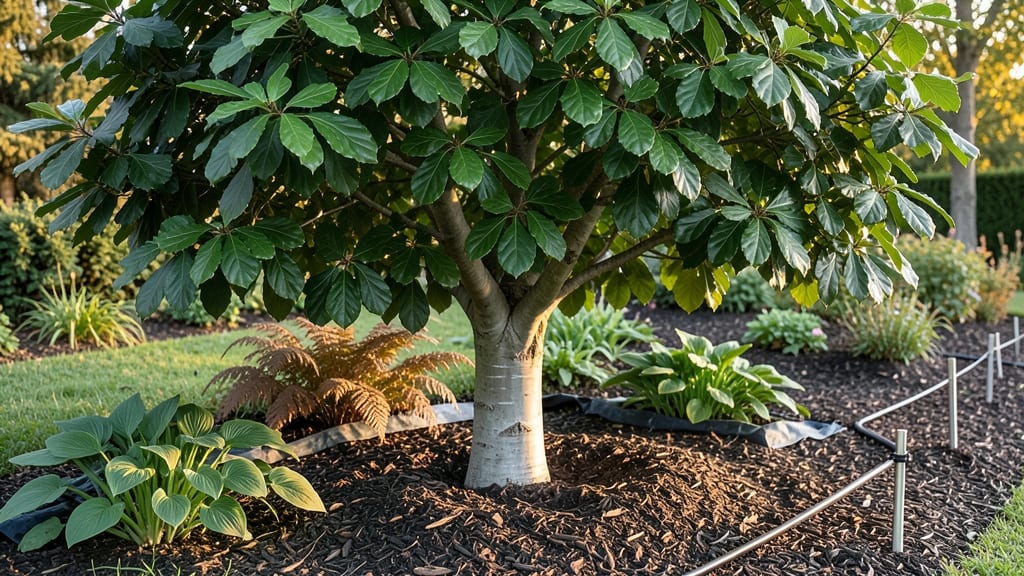
Creating a landscape with beech tree landscaping transforms your yard into a four-season masterpiece. 🌳 The smooth silver bark and golden foliage in autumn make them standout focal points, while their dense canopy provides perfect shade for summer gatherings.
I've designed several gardens around these trees, and their elegant structure adds timeless sophistication to any outdoor space.
Start by choosing the right location—beech trees need full sun and well-draining soil to thrive. Their slow growth means they won't outpace your design plans, but give them space to mature into their majestic form.
Pair them with shade-loving perennials like hostas or ferns to create a lush understory that complements their grandeur.
What you'll love most is how they change with each season: fresh green leaves in spring, golden hues in fall, and even winter interest with their striking bark. The shade they provide creates a cooler microclimate for plants and people alike, making your outdoor space more comfortable year-round.
For long-term success, focus on mulching to retain moisture and protect roots, while occasional pruning keeps their shape refined. Whether you're planting a single specimen or creating a wooded garden effect, beech trees deliver enduring beauty with minimal fuss.
📚 In This Guide
- What you need
- Instructions
- Tips and common mistakes
- Wrapping up and next steps
What you need
- ● Beech Trees: 2–4 mature Fagus sylvatica (European beech) or Fagus grandifolia (American beech) saplings (5–7 ft tall for quick impact).
- ● 1–2 dwarf varieties (e.g., Fagus sylvatica 'Purpurea Tricolor') for layered accents.
- ● Soil Amendments: 50 lbs of compost or aged manure per tree.
- ● 10 lbs of slow-release fertilizer (10-10-10 NPK ratio).
- ● Planting Supplies: 1–2 shovels (round-point for digging, flat for amending soil).
- ● 2–3 garden gloves (heavy-duty for root handling).
- ● 1 wheelbarrow (for soil/amendments).
- ● 1 measuring tape (to mark planting spots).
- ● Mulch & Protection: 3–5 bags wood chips or pine straw mulch (3–4 inches deep).
- ● 1 roll tree guard (to protect young trunks from critters).
- ● Companion Plants: Perennials like Hosta or Ferns (shade-tolerant, 5–10 plants).
- ● Spring bulbs (e.g., Daffodils, 20–30 bulbs) for early color.
- ● Lighting & Decor: 1–2 solar-powered path lights (for evening ambiance).
- ● Decorative stone borders or wooden edging (to define the space).
- ● Tools for Maintenance: 1 pruning shears (for shaping).
- ● 1 leaf blower (to clear fallen beech leaves in autumn).
Step-by-step guide to designing a stunning beech tree landscape
Here’s how to create a layered, year-round display using beech trees as your centerpiece.
🌱 Step 1: Choose the Right Beech Tree Varieties for Your Space
Start by selecting beech trees that match your climate and landscape goals. American beech (Fagus grandifolia) thrives in USDA zones 3-9 and offers rich fall color, while European beech (Fagus sylvatica) suits zones 4-7 and features striking coppery foliage in autumn. For smaller spaces, dwarf varieties like ‘Purpurea’ or ‘Laciniata’ work beautifully.
Consider mature size—standard beech trees reach 60-75 feet tall—so plant them 50-75 feet apart for full canopy impact. If your yard is smaller, opt for understory varieties like ‘Asplenifolia’ (fern-like leaves) or ‘Rotundifolia’ (rounder foliage). I always sketch the tree’s mature shape on paper to visualize how it’ll fill the space over time.
🪴 Step 2: Prepare the Planting Site for Long-Term Health
Beech trees prefer well-draining, slightly acidic soil (pH 4.5-6.0), but they adapt to most soil types if given proper drainage. Test your soil first—amend heavy clay with 2-3 inches of compost or organic matter to improve aeration. Avoid planting in low spots where water pools, as soggy roots lead to root rot.
Dig a hole twice as wide as the root ball but no deeper. Loosen the sides of the hole with a shovel to encourage root spread. If planting multiple trees, space them 30-50 feet apart for a natural woodland effect. I like to add a 5-gallon bucket of compost to the backfill soil for extra nutrients during the first year.
☀️ Step 3: Plant for Year-Round Structure and Seasonal Interest
Place your beech tree where it gets full sun to partial shade (6+ hours of light daily)3-5 feet tall shrubs (e.g., hydrangeas or rhododendrons) in front of the tree, and ground covers (e.g., ajuga or sweet woodruff) to fill the base.
Mulch the base with 3 inches of wood chips or shredded bark, keeping mulch 6 inches away from the trunk to prevent rot. Water deeply after planting—soak the root ball until water drains from the bottom of the hole. Beech trees establish slowly, so keep soil consistently moist for the first 1-2 years.
✂️ Step 4: Prune Strategically for Shape and Health
Young beech trees rarely need pruning, but remove any broken, crossing, or diseased branches in late winter or early spring. Avoid heavy pruning—beech trees produce water sprouts aggressively, and over-pruning can lead to a bushy, unnatural shape. If you’re shaping a young tree, focus on removing no more than 25% of the foliage at a time.
For mature trees, prune only to remove deadwood or improve safety. Beech trees are slow to heal, so make cuts just outside the branch collar (the swollen area where the branch meets the trunk). I recommend pruning on a dry, windless day to reduce stress on the tree.
⏰ Step 5: Maintain for Longevity and Seasonal Beauty
Beech trees are low-maintenance once established, but they benefit from annual deep watering during droughts. Water at the drip line (the edge of the canopy) to encourage deep root growth. Fertilize only if the tree shows signs of stress—apply a balanced 10-10-10 fertilizer in early spring if leaves are pale or growth is stunted.
Watch for pests like scale insects or beech leaf disease (a fungal issue causing brown spots). Treat with horticultural oil or fungicide as needed. In fall, rake up fallen leaves to prevent fungal buildup around the base. With proper care, your beech tree will provide year-round structure, golden autumn color, and a peaceful canopy for decades.
Tips & tricks for perfect beech tree landscaping
Creating a stunning beech tree landscape takes thoughtful planning—here's how to avoid common pitfalls and elevate your design.
Variety Selection: When choosing between American and European beech trees, consider your climate first. American beech handles wider zones (3-9) and provides that classic golden fall color, while European beech offers dramatic copper tones but prefers zones 4-7. For smaller spaces, I've found dwarf varieties like 'Purpurea' create stunning focal points without overwhelming the landscape. The key is matching the tree's mature size (60-75 feet for standards) to your available space—nothing ruins a design faster than a tree that outgrows its spot.
Soil Preparation: The 2-3 inches of compost you add to heavy clay isn't just for show—it's what makes the difference between a struggling tree and one that thrives. I've seen beech trees planted in unamended clay literally suffocate over time. For the best results, mix that compost thoroughly into the backfill soil, not just dump it in the hole. And remember, the hole should be twice as wide as the root ball but no deeper—this encourages roots to spread horizontally where they'll find moisture and nutrients.
Layering Strategy: The magic of beech tree landscaping happens in the layers. Place your 3-5 foot tall shrubs (like hydrangeas) in front of the tree to create visual depth, then fill the base with ground covers like ajuga. I always sketch this layout first—it helps visualize how the mature tree (with its 60-75 foot height) will interact with surrounding plants. The key is giving shade-loving plants like hostas room to thrive while maintaining that natural woodland effect you're aiming for.
Pruning Wisdom: That 25% foliage limit during young tree shaping isn't arbitrary—it's what prevents the aggressive water sprouts that turn beech trees into unruly bushes. I've learned the hard way that beech trees heal slowly, so make clean cuts just outside the branch collar and only prune on dry, windless days. For mature trees, focus on removing deadwood rather than trying to reshape—you'll get better results with less stress on the tree.
Pro Tips for Beech Tree Landscaping
- Creating a stunning beech tree landscape takes thoughtful planning—here's how to avoid common pitfalls and elevate your design.
- Variety Selection: When choosing between American and European beech trees, consider your climate first.
- Soil Preparation: The 2-3 inches of compost you add to heavy clay isn't just for show—it's what makes the difference between a struggling tree and one that thrives.
Frequently asked questions
about beech tree landscaping—because every gardener deserves clarity! Here are answers to the most common questions to help you plan with confidence.What’s the best time of year to plant a beech tree?
Plant beech trees in early spring (March–April) or fall (October–November) when soil is workable but not frozen. Avoid extreme heat—young roots need time to establish before summer stress. Pro tip: Water deeply after planting to reduce transplant shock!
How much space does a beech tree need to thrive?
Mature beech trees (like American or European varieties) spread 40–60 feet wide and reach 60–75 feet tall. Plant them 20–30 feet from structures to avoid root conflicts and allow sunlight to reach lower plants. Dwarf cultivars (e.g., ‘Cupreessence’) need only 15–20 feet of space.
Why are my beech tree leaves turning brown or yellow?
Brown/yellow leaves often signal drought stress (water deeply 1–2x/week in dry spells), nutrient deficiencies (test soil for magnesium/iron), or disease (like beech leaf disease—remove infected leaves immediately). Check the undersides for pests like scale or spider mites.
Are beech trees good for urban landscapes?
Beech trees adapt well to urban areas with acidic, well-draining soil and tolerate pollution. Opt for dwarf varieties (e.g., ‘Purpureum’ or ‘Fastigiatum’) for smaller yards. Their year-round interest (glossy leaves + exfoliating bark) makes them a standout choice. Note: Avoid planting near sidewalks—roots can lift pavement over time!
What’s a good alternative if I can’t grow a beech tree?
Consider ornamental cherries (e.g., ‘Autumn Brilliance’), tulip trees (fast-growing with similar height), or oak varieties (like ‘Swamp White Oak’) for similar structure and shade. For smaller spaces, Japanese maples offer stunning fall color with less spread.
| Quick Fixes | When to Use |
|---|---|
| Mulch with wood chips (3-inch layer) | Spring/fall to retain moisture |
| Fertilize with slow-release granules | Early spring for nutrient boost |
| Prune dead branches in late winter | Prevent disease spread |
Wrapping up and next steps
Transforming your outdoor space with beech tree landscaping is a rewarding way to add timeless beauty and structure to your yard. These versatile trees thrive year-round, offering stunning foliage in spring, golden hues in autumn, and elegant bark texture in winter—all while requiring minimal upkeep.
Whether you’re creating a serene focal point or layered canopy for shade and privacy, beech trees deliver effortless elegance that enhances any landscape.
Ready to bring this grace into your garden? Start by sketching a simple layout, choosing the right variety for your climate, and reaching out to local nurseries for healthy saplings. Your future self—and your neighbors—will thank you! 🌳✨