
Trees
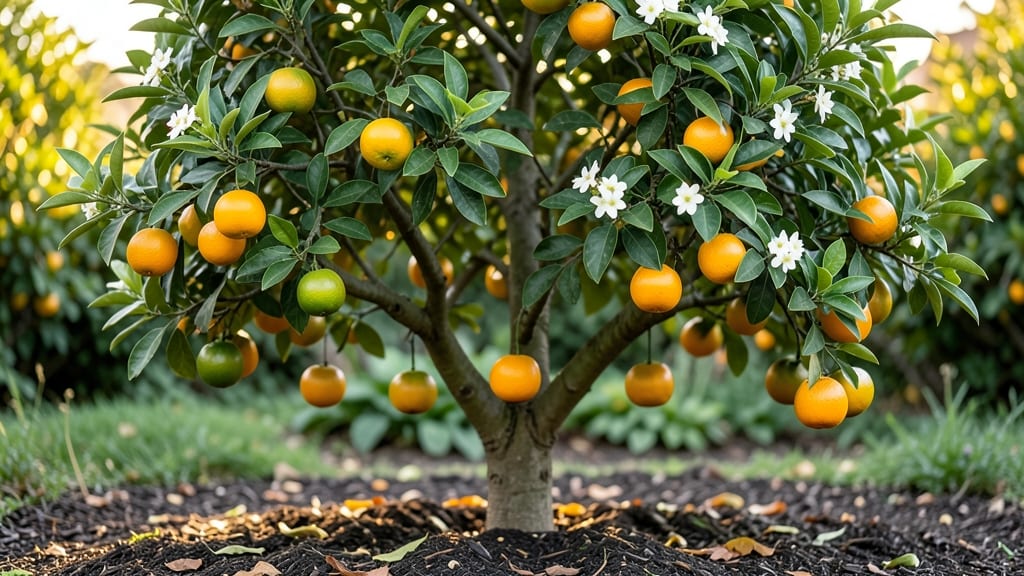
Those orange balls on your cedar trees aren’t just unsightly—they’re nature’s warning sign. 🌿 I’ve spent years dealing with cedar apple rust and scale insects, and these galls mean your tree is under siege.
The good news? You can fight back with simple, effective strategies that protect your yard without harsh chemicals.
These orange growths appear when fungi or insects latch onto your cedar, turning its needles into tiny pest factories. Left unchecked, they spread to nearby fruit trees like apples and pears, causing serious damage.
The key is acting fast—pruning infected branches, applying organic sprays, and keeping your cedar healthy so it resists future attacks.
By mid-spring, you’ll see fewer galls if you’ve been proactive, and your cedar will regain its full, lush green beauty. The best part? These methods also deter other pests, giving your garden year-round protection without the need for toxic sprays.
For severe cases, an arborist can help, but most homeowners handle this with basic tools and a little know-how. Let’s get your cedar looking strong and pest-free again!
The Mystery Behind Tree Cones
Those curious orange, pinecone-like balls dangling from your cedar tree aren’t just decorative—they’re nature’s secret weapon. 🌲🔍 Let’s break down why these galls (yes, that’s their scientific name) form and what triggers their appearance.
The primary architects of these cedar apple rust galls are gall midges (tiny, winged insects in the Diplosis genus). Here’s how it works:
- Egg-laying trigger: Female midges lay eggs on cedar needles in spring. Their saliva contains hormones that force plant cells to multiply uncontrollably, forming a protective gall around the larvae.
- Nutrient factory: The gall becomes a self-contained nursery, supplying the larva with sugars and nutrients until it pupates.
- Timing matters: Galls appear in late summer to fall (hence the orange hue) as the larvae mature inside.
Pro tip: 💡 If you see tiny, yellowish larvae inside split galls in spring, that’s the midge’s next generation preparing to repeat the cycle.
Cedar trees under stress are more susceptible to gall formation. Common stressors include:
| Stressor | How It Helps Galls Form |
|---|---|
| 🌞 Drought | Water scarcity weakens the tree’s ability to repel pests or isolate infections. |
| 🍄 Fungal Infections | Fungi like cedar rust (a different but related issue) damage tissue, making galls more likely. |
| 🔪 Poor Pruning | Over-pruning or wounding branches creates entry points for midges and pathogens. |
| 🌡️ Extreme Heat | Heat stress disrupts the tree’s immune response, leaving it vulnerable to gall midges. |
Actionable fix: ✨ Water deeply during droughts and avoid heavy pruning in late summer (when midges are most active).
Not all trees get these galls—cedars (Juniperus spp.) are a preferred host for gall midges because:
- Rich foliage: Cedar needles are nutrient-dense, making them ideal for larval development.
- Slow growth: Mature cedars have thicker, slower-growing tissue, which midges exploit to establish long-term galls.
- Chemical signals: Cedars produce volatile organic compounds that may attract midges during their reproductive cycle.
Fun fact: 🌲 These galls are species-specific—you won’t find them on oaks or pines, but they’re common on Eastern red cedar (Juniperus virginiana) and Eastern white cedar (Thuja occidentalis).
While these galls may look like a nuisance, they’re a natural part of the cedar tree’s ecosystem. The key to managing them lies in reducing stress and monitoring infestations—but don’t worry, they’re harmless to humans and even help deter other pests! 🐞🚫
Quick Fixes for Cedar Tree Issues
If your cedar tree is producing unsightly orange balls—or if you’re dealing with pests, disease, or overgrowth—don’t panic! These natural ornaments (often cedar apple rust galls) can be managed with simple, eco-friendly solutions.
Below, we’ll break down the most common causes and the best fixes, plus prevention tips to keep your tree healthy year-round.
If the orange balls are cedar-apple rust galls (a fungal infection), they’re not harmful to the cedar itself but can spread to nearby apple, crabapple, or hawthorn trees. Here’s how to tackle them:
🍳 Step 1: Prune Infected Branches
- Why? Removing infected branches early stops the fungus from spreading.
- How?
- Use sterilized pruning shears (wipe with rubbing alcohol between cuts).
- Cut 6 inches below the orange balls to ensure you remove the infected tissue.
- Bag and dispose of the clippings in the trash (not compost)—do not leave them near the tree.
👨🍳 Step 2: Apply Fungicide (Organic Options)
- Why? Fungicides prevent spores from forming new galls.
- Best choices:
- Neem oil spray (1 tbsp per gallon of water + a drop of dish soap as an emulsifier).
- Copper fungicide (follow label instructions for application timing).
- Baking soda spray (1 tsp baking soda + 1 quart water + a few drops of soap) for mild cases.
- When to spray?
- Early spring (before buds swell) and after rain (fungus thrives in wet conditions).
- Reapply every 2–3 weeks during the growing season.
⏰ Step 3: Monitor and Repeat
- Check the tree monthly for new orange balls.
- If galls return, increase pruning frequency or switch to a stronger fungicide.
If your cedar tree is too dense, it can stress the plant and attract pests. Here’s how to thin it out properly:
🔪 Step 1: Assess the Tree’s Structure
- Look for:
- Crossing branches (rubbing together).
- Dead or dying limbs (snapping when bent).
- Overcrowded growth (blocks sunlight from lower branches).
🌿 Step 2: Thin Out Strategically
- Remove 20–30% of the foliage to improve airflow.
- Focus on:
- Suckers (shoots growing from the base).
- Water sprouts (fast-growing, weak branches).
- Low-hanging branches that touch the ground (can harbor moisture and disease).
🎯 Step 3: Mulch and Water Properly
- Mulch: Apply 2–3 inches of organic mulch (wood chips, pine straw) around the base, keeping it 6 inches away from the trunk.
- Water: Deep water 1–2 times per week (depending on climate) to encourage strong root growth.
Stop problems before they start with these proactive measures:
💡 Tip 1: Boost Tree Resilience
- Fertilize in early spring with a balanced, slow-release fertilizer (look for 10-10-10 or similar).
- Avoid over-fertilizing—too much nitrogen weakens the tree’s natural defenses.
🌱 Tip 2: Encourage Natural Pest Deterrents
- Plant companion plants like rosemary, lavender, or marigolds near the cedar to repel pests.
- Attract beneficial insects (ladybugs, lacewings) by adding a small water source (like a shallow dish with pebbles).
🚫 Tip 3: Avoid Common Mistakes
- ❌ Don’t ignore small galls—they can multiply quickly.
- ❌ Avoid heavy pruning in late summer/fall—this stresses the tree and invites disease.
- ❌ Skip sterilizing tools—fungus can spread via unclean blades.
| Issue | Signs | Fix | Prevention |
|---|---|---|---|
| Cedar-apple rust | Orange galls on cedar, yellow spots on apples | Prune + fungicide spray | Early spring fungicide applications |
| Overgrowth | Dense foliage, weak branches | Strategic thinning + mulching | Regular pruning (every 2–3 years) |
| Pest infestation | Sawdust-like frass, chewed leaves | Neem oil spray + beneficial insects | Companion planting + tree health care |
| Disease spread | Dark spots, wilting leaves | Remove infected parts + copper spray | Improve airflow with proper pruning |
By following these steps, your cedar tree will stay healthy, pest-resistant, and beautiful—while those orange "balls" become a thing of the past! 🌳💚
Frequently asked questions
Are those orange balls on my cedar tree harmful?
No, they’re not harmful to cedar trees themselves! These are called cedar apple rust galls, created by gall midges. While they don’t hurt cedars, they can spread to nearby fruit trees like apples and pears. The real issue is their unsightly appearance and potential to weaken your cedar over time.
What’s the best time to remove these orange growths?
Remove them in late winter or early spring before new growth begins. This prevents midges from laying eggs and starting the cycle again. Always use sterilized pruners and dispose of infected branches in sealed bags to stop spread. Never compost them!
Will neem oil really work to prevent these galls?
Yes! Neem oil is one of the most effective organic treatments. Mix 1 tablespoon per gallon of water with a drop of dish soap as an emulsifier. Spray thoroughly on both sides of cedar needles in early spring and again after rain. It disrupts midge life cycles and prevents new gall formation.
Can I use regular pruning to stop these orange balls?
Pruning alone won’t eliminate them, but it helps! Focus on removing 20-30% of dense foliage to improve airflow and reduce midge habitats. Cut 6 inches below infected areas and sterilize your tools between cuts. Combine pruning with fungicide sprays for best results.
How do I know if my cedar tree is stressed enough to attract these galls?
Watch for these signs: yellowing needles, thin canopy, or dry soil. Stressed cedars are more vulnerable to gall midges. Improve care by watering deeply 1-2 times per week and applying organic mulch (2-3 inches) around the base. Healthy cedars resist infestations better!