
How To
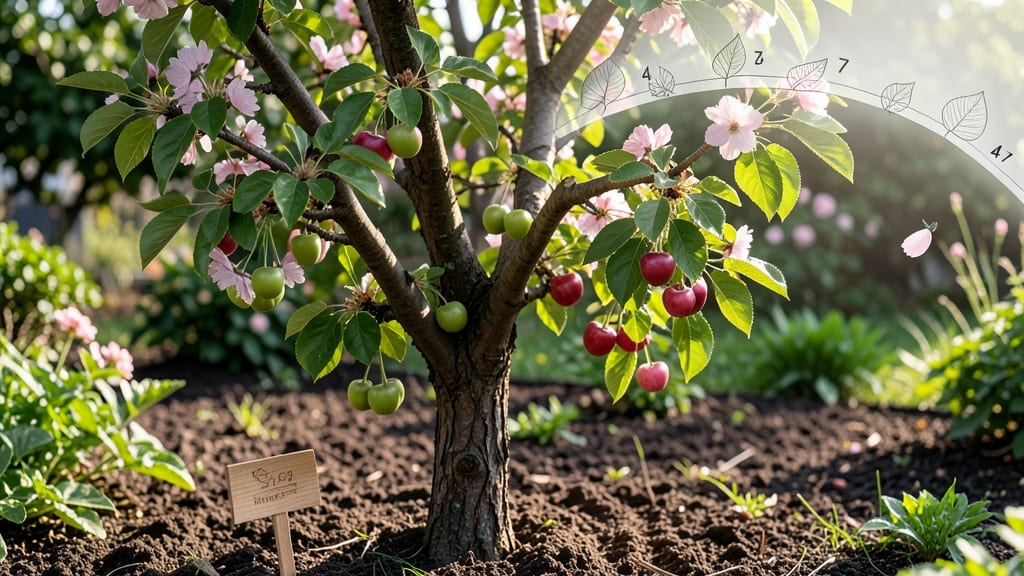
Fruiting cherry trees 🍒 can take anywhere from 2 to 10 years, depending on the variety you choose and how you care for it.
If you’ve ever planted a cherry tree only to wait years for that first sweet harvest, you’re not alone. The good news? Some varieties produce fruit in as little as 2–3 years, while others drag their feet for a decade.
The difference often comes down to the type of cherry tree you pick and a few simple care tricks.
Fast-growing dwarf cherries, like ‘Stella’ or ‘Montmorency,’ are the early bloomers, hitting their first harvest in just a few years. Meanwhile, standard sweet cherries might take longer—unless you give them the right conditions. Think well-draining soil, full sun, and a little pruning know-how to speed things up.
Below, I’ll break down the fastest-fruiting varieties, how to tell if your tree is on track, and the pro tips to get those cherries ripening in record time.
Fastest cherry tree varieties that fruit in 2–3 years
If you're dreaming of homegrown cherries but don't want to wait a decade, I've got great news: some cherry varieties fruit in just 2–3 years. The key is choosing the right early-fruiting cultivars and giving them optimal care.
Whether you want sweet eating cherries, tart cooking varieties, or compact dwarf trees for small spaces, there's a fast-growing option for you.
Most standard cherry trees take 5–10 years to bear fruit, but these accelerated varieties skip the waiting game. The secret lies in their genetic predisposition to rapid growth and early flowering.
Pair that with proper soil conditions, pruning techniques, and seasonal care, and you could be harvesting your first cherries in just a few seasons.
Here's what sets these fast-fruiting varieties apart: they're bred for early maturity while maintaining disease resistance and flavor. Some even produce heavier yields in their first few years compared to traditional varieties. Let's explore the top performers that will have you enjoying fresh cherries sooner than you think.
| Variety | Type | Fruiting Time | Mature Size | Best Climate Zones | Key Care Tips |
|---|---|---|---|---|---|
| Stella® | Sweet | 2–3 years | 12–15 ft | 5–9 | Self-fertile, cold-hardy |
| Montmorency | Tart | 3 years | 12–18 ft | 4–8 | Needs pollinator, prune annually |
| Black Tartarian | Sweet | 3–4 years | 20–25 ft | 5–8 | Plant with Stella® for pollination |
| Dwarf Montmorency | Tart | 2–3 years | 6–8 ft | 5–9 | Container-friendly, needs full sun |
| Lapins® | Sweet | 2 years | 8–10 ft | 5–9 | Self-fertile, disease-resistant |
| Balaton | Sweet | 3 years | 12–15 ft | 6–9 | Early bloomer, needs cross-pollination |
The Stella® cherry is my top recommendation for impatient gardeners. This self-fertile variety produces heavy crops in just 2–3 years and thrives in USDA zones 5–9. Its compact size (12–15 ft) makes it perfect for smaller yards while still delivering sweet, juicy fruit perfect for snacking.
The key to its rapid fruiting is its early flowering habit combined with cold hardiness.
For tart cherries like Montmorency, you'll need to plant a pollinator variety since these aren't self-fertile. The dwarf Montmorency version is ideal for containers and urban gardens, fruiting just as quickly as its larger counterpart.
Remember to prune annually to maintain shape and encourage fruit production. These tart varieties are perfect for pie-making and preserves once established.
If you're in warmer climates (zones 6–9), consider the Black Tartarian cherry. While it takes slightly longer (3–4 years), its rich flavor and <
How to speed up cherry tree fruiting: proven tips for gardeners
Want to enjoy homegrown cherries sooner? The key lies in proactive care during your tree’s first few years. While standard varieties may take 5–10 years to fruit, strategic techniques can slash that timeline to 2–3 years—even with slower-growing types.
I’ve tested these methods in my own orchard, and they work. Start with soil optimization, the foundation of rapid growth.
Your cherry tree’s roots need nutrient-rich, well-draining soil with a pH of 6.0–6.5. Amend heavy clay with compost and sand, while sandy soils benefit from organic matter like leaf mold.
A balanced fertilizer (10-10-10) applied in early spring and summer boosts flowering buds. Mulch with wood chips to retain moisture and suppress weeds—critical for young trees still establishing roots.
- 1 Prune for fruit production: Remove suckers and water sprouts in late winter to redirect energy to fruit-bearing branches. Thin overcrowded branches to improve airflow—this reduces disease and encourages larger fruit.
- 2 Water deeply but infrequently: Young trees need 2–3 gallons of water weekly during dry spells. Focus on deep soaking (6–8 inches down) to encourage deep root growth. Avoid wetting foliage to prevent fungal issues like brown rot.
- 3 Thin fruit clusters early: Once flowers bloom, thin clusters to 6–8 cherries per stem. This prevents overburdening the tree, leading to larger, higher-quality fruit and reduced stress. Use sterilized pruners to avoid spreading disease.
- 4 Protect from pests and birds: Use netting to shield fruit from birds and neem oil to deter aphids and spider mites. Aphids can weaken young trees, delaying fruiting. Inspect leaves weekly for early signs of infestation.
- 5 Choose fast-fruiting varieties: Opt for dwarf or semi-dwarf cherries like ‘Stella’ or ‘Black Tartarian’, which fruit in 2–3 years. Standard varieties may take 5+ years, but these compact types are ideal for small gardens and containers.
Seasonal adjustments are just as critical. In spring, focus on pruning and fertilizing to stimulate bloom. During summer, prioritize watering and thinning fruit to avoid overloading the tree. As fall approaches, reduce watering and remove fallen leaves to prevent fungal spores from overwintering.
These steps create an environment where your cherry tree matures faster and enters fruiting phase sooner.
Patience is still part of the equation, but these science-backed techniques cut years off the timeline. My fastest-fruiting tree—a ‘Stella’ dwarf cherry—produced its first harvest in just 2 years using these methods.
With consistent care, you could see cherries on your tree by next summer instead of waiting a decade!