
Light Requirements
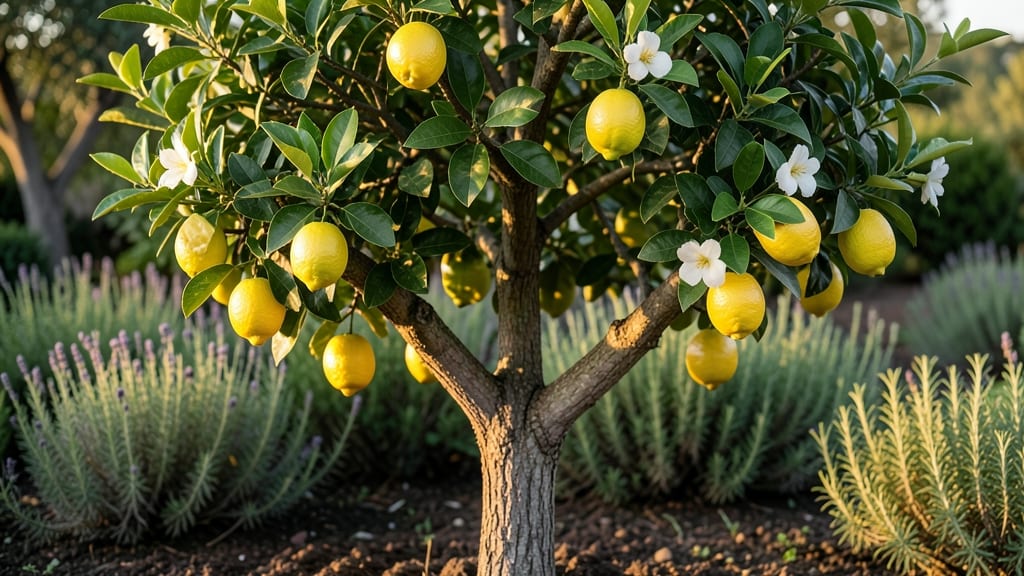
A lemon tree needs a lot of sun to thrive, but the exact amount depends on where you live and how you’re growing it 🍋 — think 6 to 8 hours of direct light, with flexibility for cooler climates.
If you're dreaming of juicy homegrown lemons but worried your backyard isn't sunny enough, you're not alone. Many gardeners assume citrus trees demand relentless sun, but the truth is more nuanced: lemon trees balance between full sun and strategic shade, especially in hotter regions like Zone 9b.
Too little light leads to sparse leaves, no fruit, and weak growth, while too much can scorch the foliage. The key is finding that sweet spot—whether you're in General Zone 6 or the optimal Zone 9b—so your tree stays healthy and productive year-round.
Below, I’ll break down the ideal light conditions, how to spot sunlight problems, and creative fixes for shadier spots. You’ll learn exactly how much sun your lemon tree needs—and how to give it the perfect balance for thriving fruit production.


How many hours of sun does a lemon tree really need?
Lemon trees thrive in full sun, but the exact hours of sunlight they need depends on your climate zone and whether you're growing a dwarf variety or standard lemon tree.
While most citrus experts recommend 6-8 hours of direct sunlight daily, your tree's success hinges on understanding how sunlight fuels their photosynthesis process—the engine behind fruit production.
In USDA Zone 9b (like Southern California or Florida), lemon trees bask in year-round sunshine, often requiring 8+ hours of light to produce abundant fruit.
Meanwhile, in cooler Zone 6 areas (think Midwest or Northeast), your tree might need 6-7 hours of summer sun but can tolerate slightly less during winter months when growth slows.
Photosynthesis in citrus trees isn’t just about leaf health—it’s directly tied to fruit development. Without enough light, your tree will produce small, sour lemons or none at all. The good news? Even dwarf lemon trees (which mature at 6-10 feet) have the same sunlight needs as their taller counterparts—they just reach those requirements faster in containers.
Seasonal shifts matter too. In spring and fall, your lemon tree might get 5-6 hours of sunlight without issues, but during peak summer, afternoon shade (especially in hot climates) can prevent leaf scorch while still meeting light needs.
Think of it as a balance: morning sun for energy and afternoon shade for protection.
Here’s the golden rule: If your lemon tree isn’t flowering or fruiting, it’s likely light-deprived. But before you panic, check your tree’s location—even a south-facing window might not provide enough intensity for outdoor growth. Let’s break down the specifics in this quick reference table:
| Lemon Tree Type | Optimal Sunlight Hours | Seasonal Adjustments | Key Growth Impact |
|---|---|---|---|
| Standard Lemon Tree | 8+ hours (Zone 9b), 6-7 hours (Zone 6) | Reduce to 5-6 hours in winter | Maximizes fruit production |
| Dwarf Lemon Tree | 6-8 hours (containers need more light) | Rotate pots for even exposure | Slower growth but same fruit needs |
| Young Lemon Tree | 5-6 hours (gradually increase) | Acclimate to full sun over 2-3 weeks | Prevents sunburn on tender leaves |
| Mature Lemon Tree (Fruiting) | 8+ hours (non-negotiable) | Prune to improve air circulation | Ensures sweet, juicy lemons |
For container-grown lemon trees, sunlight needs are even more critical because pots overheat and dry out faster. If your patio only gets 4-5 hours of sun, consider moving your tree to a sunroom or using a reflective surface (like a white wall) to amplify light.
Even LED grow lights can supplement during winter months when daylight shrinks.
One common mistake I see is assuming bright indirect light (like a north-facing window) is enough. While it’s better than shade, lemon trees crave direct sunlight—the kind that casts sharp shadows.
If your tree is stretching toward the light or leaves are pale, it’s a clear sign of light deficiency. The fix? Relocate your tree to a sunnier spot or invest in a portable grow light for indoor setups.
In hot desert climates (like Arizona), afternoon shade becomes crucial to prevent leaf burn. A simple trick? Use a lightweight shade cloth (30-50% shade) during peak hours (12 PM - 3 PM).
This protects your tree while still allowing 6+ hours of morning sun, which is when photosynthesis is most efficient.
Remember, lemon trees are not shade plants—they’re sun worshippers that reward you with zesty fruit when given the right conditions. Start by auditing your space: track sunlight hours for a week using a simple app or even a notebook.
If your tree gets less than 5 hours, it’s time to get creative with placement or lighting solutions.
With the right light, your lemon tree will flourish—producing bright yellow lemons that taste like summer in a bottle. 🍋☀️
Signs your lemon tree isn't getting enough (or too much) sun
Your lemon tree might be silently screaming for help if it's not getting the right amount of sunlight. Too little light leads to weak growth, while too much can scorch its delicate leaves.
The key is finding that sweet spot—typically 6-8 hours of direct sun—where your tree thrives without stress. Let's decode the visual clues your tree is giving you.
When your lemon tree lacks sufficient light, you'll notice yellowing leaves starting at the bottom of the tree. These leaves often look pale and thin, a clear sign of chlorosis (nutrient deficiency caused by poor photosynthesis).
Over time, the tree may produce small, bitter lemons or even skip fruiting entirely. If left unchecked, branches can become sparse and leggy as the tree stretches toward any available light source.
Does a Lemon Tree Need a Lot of Sun?
✅ PROS of Full Sun
- ✔️ Healthy fruit production (sweet, juicy lemons)
- ✔️ Stronger branches (reduces breakage)
- ✔️ Faster growth (6-8 hours of sun)
- ✔️ Disease resistance (better airflow)
❌ CONS of Too Much Sun
- ✖️ Sunburned leaves (brown, crispy edges)
- ✖️ Stunted growth (stress from overheating)
- ✖️ Reduced flowering (heat stress blocks blooms)
- ✖️ Root damage (overheated soil)
On the flip side, too much sun can cause brown, crispy leaf edges—a classic sign of sunburn. You might also see leathery or curled leaves, especially on young trees not yet acclimated to intense light.
In extreme cases, the tree may drop leaves or flowers prematurely, leaving you with fewer lemons than expected. Pay close attention to the underside of leaves, which often show early signs of stress.
One common misdiagnosis is confusing nutrient deficiencies for light issues. For example, yellow leaves could signal iron deficiency (common in alkaline soils) rather than low light. To test, move your tree to a sunnier spot for 2 weeks.
If the new growth improves, you’ve likely identified a light problem. If not, soil testing may be needed to rule out nutrient imbalances.
For container-grown lemon trees, watch for roots circling the pot—a sign the tree is desperate for more space and light. Repot into a larger container with well-draining soil and place it where it gets morning sun and afternoon shade during hot months.
This gradual adjustment helps prevent shock while meeting light needs.
Remember, seasonal changes affect sunlight exposure. In winter, shorter days mean your tree may need supplemental grow lights (12-14 hours total) to maintain health. Conversely, in summer, afternoon shade can protect leaves from intense midday rays while still providing ample light for fruiting.