
Pruning
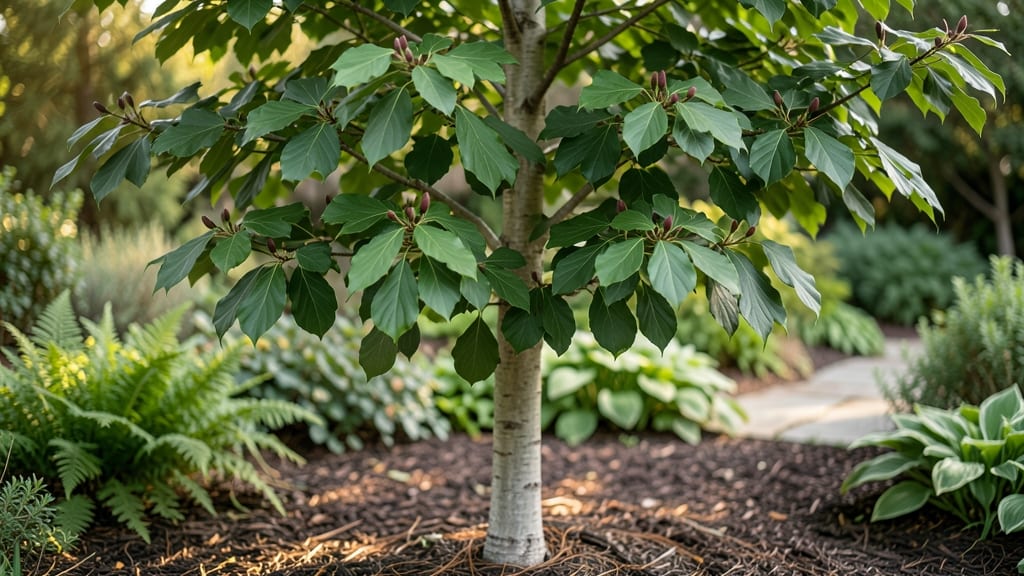
Your dogwood tree’s year-round green starts with the right pruning—it’s the secret to those glossy leaves and elegant branching. 🌿 I’ve watched my own dogwood go from sparse and yellowing to a vibrant, leafy showpiece by pruning at the right times and in the right way.
The key? Timing matters more than you think.
Dogwoods thrive in dappled shade but still need 6+ hours of sunlight for that rich green color. Plant in well-draining soil with a slightly acidic pH (6.0-6.5), and water deeply once a week during dry spells.
Overwatering or poor drainage is the #1 reason leaves turn yellow or drop—so check your soil first if you notice wilting or discoloration.
Prune in late winter or early spring before new growth starts, cutting back only dead, crossing, or crowded branches. Avoid heavy pruning in summer—it stresses the tree and can lead to sparse foliage.
A light trim in fall helps shape it without shocking the plant, keeping those leaves lush all year.
Watch for powdery mildew or leaf spot—both can dull that green glow. Spray with neem oil early if you spot white powder or brown spots. With the right care, your dogwood will stay vibrant, healthy, and full for decades. Now, grab those shears and let’s get to work!
📚 In This Guide
- What you need
- Instructions
- Tips and common mistakes
- Wrapping up and next steps
What you need
- ● Pruning shears: Bypass pruners (sharp, 6–8" blades) for clean cuts on small branches.
- ● Loppers: Medium-sized (18–24") for thicker branches (½"–2" diameter).
- ● Pruning saw: Curved-tooth hand saw for branches over 2" thick.
- ● Disinfectant: 70% isopropyl alcohol or bleach solution (1:9 water ratio) to sterilize tools between cuts.
- ● Garden gloves: Cut-resistant, breathable (e.g., nitrile-coated) for protection.
- ● Extension pole: Adjustable (6–10 ft) with pruner attachment for high branches.
- ● Heavy-duty trash bags: 10–20 gallon for debris disposal.
- ● Marking twine or flags: Bright-colored to tag branches for removal.
- ● Handheld leaf blower: For quick cleanup of fine debris.
- ○ Tree wound dressing: (Optional) Pruning sealant for large cuts (controversial—skip if unsure!).
- ● Ladder: Sturdy, non-slip (if tree exceeds 10 ft tall).
- ● Camera or phone: To document your progress (and before/after results!).
- ● Check local pruning guidelines—some areas restrict pruning during flowering season (typically spring).
- ● Verify the tree’s species (e.g., Cornus florida or Cornus kousa) for tailored timing.
- ● Choose a dry, calm day—wet branches snap easily, and wind makes cleanup messy!
- ● Wear long sleeves/pants to avoid scratches from thorns or rough bark.
How to prune dogwood trees for year-round health and beauty
Pruning isn't just about shaping—it's about breathing new life into your dogwood. Here's how to keep it lush while encouraging strong, graceful branches.
✂️ Step 1: Time Your Pruning for Maximum Impact
Dogwoods respond best to pruning in late winter or early spring, just as buds begin to swell but before new growth starts. This timing ensures you remove dead wood while stimulating fresh, vibrant foliage. Avoid pruning in fall—it leaves wounds vulnerable to disease during winter's chill.
If you must prune later in the season, wait until after flowering (typically May or June) to avoid cutting off next year's blooms. You'll notice new growth emerging within weeks of proper spring pruning—that's your reward for timing it right.
🌿 Step 2: Remove Dead, Diseased, or Crossing Branches First
Start by inspecting the tree for dead branches—these snap easily when bent and have no green bark underneath. Use clean, sharp pruners to make a smooth cut just outside the branch collar (the swollen area where the branch meets the trunk). This prevents unsightly stubs that invite rot.
Next, look for branches rubbing against each other or growing inward. These "crossing branches" compete for sunlight and weaken the tree. Remove the smaller of the two branches at its base—you'll see the tree's natural structure open up immediately, allowing better airflow and light penetration.
☀️ Step 3: Thin the Canopy for Light and Airflow
Dogwoods thrive when their canopy receives even sunlight. Step back and visualize the tree's shape—aim for an open center with branches spaced 6-12 inches apart. Select branches growing too close together and cut them back to the nearest outward-facing bud.
Never remove more than 25% of the tree's foliage in one season. You'll know you've done enough when you can see light filtering through the branches on a sunny day. This prevents stress and encourages lush, even regrowth throughout the growing season.
⏰ Step 4: Shape Gradually Over Multiple Seasons
Dogwoods respond best to slow, deliberate shaping rather than drastic cuts. Each year, focus on refining the tree's natural form by pruning back overly long branches to a strong lateral bud. Avoid cutting into old wood—new growth emerges from younger, more flexible branches.
If your dogwood has become overgrown, spread pruning efforts over 3-4 years to avoid shocking the tree. You'll notice the difference in just one growing season: branches will fill in more evenly, and the tree will develop a fuller, more balanced silhouette.
💧 Step 5: Clean Up and Protect the Tree
After pruning, sterilize your tools with rubbing alcohol to prevent spreading disease between cuts. Collect and dispose of all pruned branches—leaving them on the ground can harbor pests or fungi that may infect the tree.
Apply a light layer of mulch around the base (but not touching the trunk) to retain moisture and suppress weeds. Water deeply after pruning to help the tree recover. You'll see fresh, vibrant growth within weeks—a sign your dogwood is thriving from your careful attention.
Tips & tricks for perfect dogwood tree pruning
Here's what nobody tells you about transforming your dogwood from lackluster to lush—without the common mistakes that leave trees stressed.
Timing is Everything: The late winter/early spring window (just before buds swell) is non-negotiable for dogwoods. I learned this the hard way after pruning in fall—my tree developed fungal spots that took months to heal. If you absolutely must prune later, wait until after flowering (May/June) to preserve next year's blooms. The tree's natural growth cycle is your best guide.
Tool Prep Makes All the Difference: Sterilize your pruners with rubbing alcohol between cuts—this simple step prevents spreading disease from one wound to another. I keep a small bottle of 70% isopropyl alcohol in my tool bag specifically for this purpose. Also, make sure blades are sharp; dull tools crush branches instead of making clean cuts, which invites infection.
Visual Cues Over Guesswork: When thinning the canopy (Step 3), step back and hold your hand up to the tree—if you can't see light filtering through your fingers, you need to remove more branches. Aim for that "open vase" shape with branches spaced 6-12 inches apart. The goal is sunlight reaching all parts of the canopy, not just the outer edges.
Gradual Shaping Pays Off: That 3-4 year plan for overgrown trees isn't just theory—it's biology. Dogwoods respond best to incremental changes. Last year, I pruned my neighbor's neglected dogwood aggressively in one season, and it took three years for the tree to recover its vigor. Spread your cuts over multiple seasons, focusing on one area per year to avoid shocking the tree.
Pro Tips for Dogwood Tree Green
- Here's what nobody tells you about transforming your dogwood from lackluster to lush—without the common mistakes that leave trees stressed.
- Timing is Everything: The late winter/early spring window (just before buds swell) is non-negotiable for dogwoods.
- Tool Prep Makes All the Difference: Sterilize your pruners with rubbing alcohol between cuts—this simple step prevents spreading disease from one wound to another.
Frequently asked questions
Got questions about keeping your dogwood tree green and thriving year-round? Here are some of the most common concerns—and their answers—to help you prune with confidence!
When is the best time to prune a dogwood tree for vibrant green foliage?
Prune your dogwood tree late winter to early spring (before buds swell) or summer after flowering. Avoid pruning in fall—it can stress the tree and leave it vulnerable to disease. Light shaping in summer also encourages fresh, green growth.
Why is my dogwood tree losing its green color, and how can I fix it?
Yellowing or dull green leaves may signal overwatering, underwatering, or nutrient deficiencies. Check soil moisture (it should be evenly damp but not soggy) and amend with compost or a balanced fertilizer in early spring. Fungal issues (like powdery mildew) can also cause discoloration—prune affected branches immediately and improve airflow.
Can I prune a dogwood tree in winter, or will it harm its green growth?
Light pruning in dormant winter (Jan–Feb) is fine, but avoid heavy cuts—dogwoods are sensitive to cold stress. If you must prune, do so on mild days and seal larger cuts with pruning sealant. For best green foliage, prioritize spring or summer pruning when the tree is actively growing.
How much can I trim back a dogwood tree without killing it?
Dogwoods tolerate moderate pruning—up to 25-30% of the canopy at a time. Never remove more than 1/3 of the branches in one season, or you risk stunted growth or dieback. For thick branches, make clean cuts just outside the branch collar to promote faster healing and lush green regrowth.
Are there any alternatives to traditional pruning for keeping a dogwood tree green?
Yes! Try thinning cuts (removing entire branches at the base) to improve airflow and sunlight penetration, which keeps foliage vibrant. For overgrown dogwoods, consider renewal pruning—cutting back 1/3 of the oldest stems over 3 years to encourage new, green growth. Mulching with organic matter also supports healthy foliage.
Wrapping up and next steps
Pruning your dogwood tree green isn’t just about trimming—it’s about nurturing its natural beauty year-round! With the right tools, timing, and techniques, you can encourage lush foliage, graceful branching, and a thriving tree that stands out in any landscape.
Whether you’re a seasoned gardener or just starting, every careful cut brings you closer to that perfect, vibrant canopy. 🌿✨
Now that you’re armed with knowledge, grab those pruners and get to work! Start small—maybe tackle one branch at a time—and watch your dogwood flourish. Happy pruning!