
Pruning
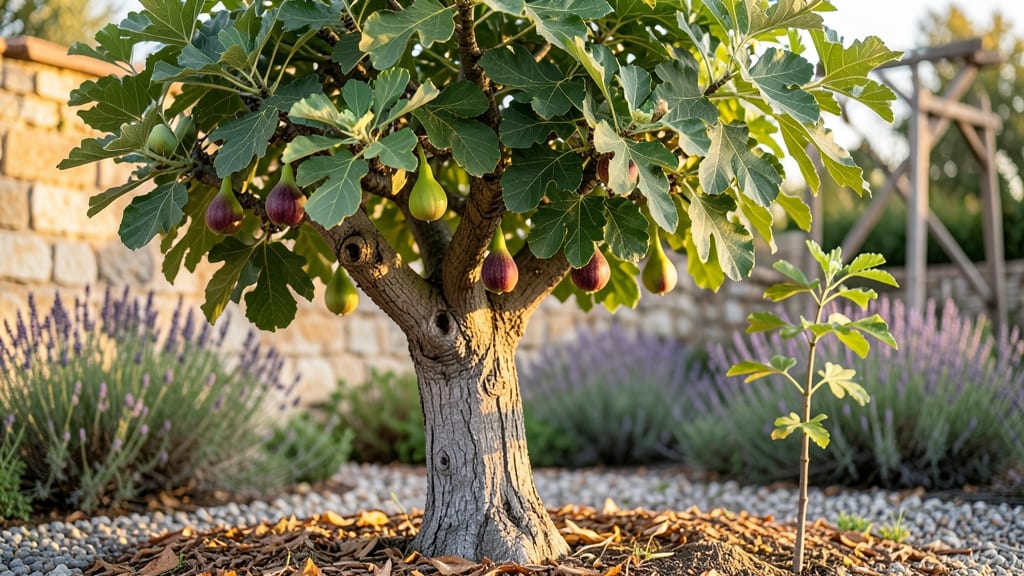
The fig tree timeline starts with spring’s first flush of new leaves—your cue to prune before growth explodes. 🌱 I’ve watched my trees go from bare branches to heavy with fruit by following this seasonal rhythm, and the difference between a productive tree and a struggling one comes down to timing.
Spring is all about shaping the tree while summer focuses on fruit care—never prune when the tree is fruiting, or you’ll sacrifice next year’s harvest. My zone 7 figs produce twice as much when I stick to this schedule, and the technique works for both cold-hardy and tropical varieties.
By winter, you’ll see how every cut in spring led to stronger branches and bigger fruit. The tree’s natural dormancy makes it easier to spot dead wood, so this is your last chance to clean up before new growth begins.
Works for container figs too—just scale back the pruning. Let’s get your tree on the right schedule!
📚 In This Guide
- What you need
- Instructions
- Tips and common mistakes
- Wrapping up and next steps
What you need
- ● Pruning shears: Sharp, bypass-style shears (4-6 inch blade) for clean cuts on small branches.
- ● Loppers: 8-10 inch bypass loppers for thicker branches (up to 2 inches in diameter).
- ● Pruning saw: Bow saw or pruning saw for branches thicker than 2 inches.
- ● Gloves: Heavy-duty, cut-resistant gloves (e.g., leather or synthetic mesh) to protect hands from thorns and sap.
- ● Disinfectant: 70% isopropyl alcohol or rubbing alcohol to sterilize tools between cuts (prevents disease spread).
- ● Rags or paper towels: For wiping tools clean.
- ● Ladder: Sturdy, extendable ladder (if your fig tree is over 6 feet tall).
- ● Buckets or bags: 2-3 gallon heavy-duty trash bags or buckets for collecting pruned branches.
- ● Hand pruners: Compact shears for precision trimming (great for tight spaces).
- ● Pole pruner: Extendable tool for high branches (saves ladder time!).
- ● Tree wound paint: Not necessary for fig trees, but some gardeners use it for aesthetic purposes (skip this—figs heal naturally!).
- ● Notebook & pen: To jot down pruning notes or mark growth patterns.
- ● Safety gear: Safety glasses (if dealing with large branches) and closed-toe shoes.
- ● Research: Know your fig tree’s variety (e.g., common fig, Brown Turkey, Chicago Hardy) and its growth habits.
- ● Weather check: Prune on a dry, cloudy day (avoid rain or extreme heat).
- ● Tool sharpening: Hone your shears and saws for clean cuts (dull tools crush branches, inviting disease).
- ● Safety first: Clear the area of tripping hazards and ensure the ladder is stable.
Step-by-Step fig tree pruning timeline for year-round health
Here's the seasonal rhythm I follow to keep my fig trees thriving—and producing fruit—without stressing the plant.
⏰ Step 1: Late Winter Pruning (Before Bud Break)
This is your first and most important cut, typically in late February or early March when the tree is still dormant but just before buds swell. I look for dead, diseased, or crossing branches—these are the first to go. Use sharp pruners to make clean cuts just above a bud or lateral branch.
Remove any branches that rub against each other (they create wounds that invite rot) and thin out crowded growth to improve airflow. You'll see the tree's natural structure emerge as you work—think of it like sculpting. Never remove more than 25% of the tree's canopy in one go, or you'll shock the fig.
☀️ Step 2: Post-Harvest Cleanup (Fall)
After your final harvest in late fall (October-November), take time to tidy up. I remove all spent fruit clusters and any branches that look weak or diseased. This prevents pests and diseases from overwintering in the tree. Use sterilized pruners to avoid spreading pathogens.
Look for suckers at the base—those aggressive new shoots that steal energy from fruit production. Snip them off at the ground level. This is also when I give the tree a light shaping trim to maintain its form, but I keep cuts minimal to avoid stress before winter.
🌱 Step 3: Summer Light Pruning (Mid-Season)
During the growing season (June-July), I do small maintenance cuts to encourage air circulation and sunlight penetration. Remove any shoots growing inward or branches that block light from reaching the center of the tree. You'll notice these as thin, leggy growth with few leaves.
Pinch back new growth by 1/3 to encourage bushier, more productive branches. This is also when I remove any water sprouts—those fast-growing, vertical shoots that never bear fruit. Work on a dry day when the tree is well-watered, and always sterilize your tools between cuts.
✂️ Step 4: Winter Structural Adjustments (Optional)
If your fig tree has overgrown limbs or needs reshaping, do this in mid-winter (January) when the tree is fully dormant. I focus on rebalancing the canopy—cutting back the longest branches by 1/4 to 1/3 to encourage a more compact shape. Make cuts just above an outward-facing bud.
This is also when I address any low-hanging branches that could break under snow or fruit weight. Remember, figs are resilient but not indestructible. If you're unsure about a cut, it's better to wait until the next dormant season—better safe than sorry with these Mediterranean beauties.
Tips & tricks for perfect fig tree pruning
A few strategic insights that'll keep your fig tree thriving—and fruiting—without the guesswork.
Timing Secret: In Step 1, when pruning in late February or early March, check for bud swell before cutting. Press your thumbnail into the bud—if it leaves a dent, it's ready. This ensures you're cutting just before new growth begins, giving your tree the best start. I've learned the hard way that cutting too early can expose vulnerable tissue to cold snaps.
Tool Prep: Sterilize your pruners between cuts in Step 2 and Step 3 using a 1:9 ratio of bleach to water or rubbing alcohol. This prevents spreading diseases between branches. I keep a small spray bottle of rubbing alcohol handy for quick cleanups between cuts—it's faster than scrubbing and just as effective.
Visual Cues: When thinning in Step 3, look for branches that create a "V" shape when viewed from above—these are the ones to remove. They create shaded areas that prevent sunlight from reaching the center. I imagine the tree as an open umbrella, where all branches get equal sun exposure.
Winter Safety: For Step 4's optional winter adjustments, avoid cutting branches thicker than your thumb—these contain years of stored energy. If you must prune larger branches, make the cut just outside the branch collar (the swollen area where the branch meets the trunk) to prevent damage. I've seen too many trees develop cankers from improper cuts.
Pro Tips for Fig Tree Timeline
- A few strategic insights that'll keep your fig tree thriving—and fruiting—without the guesswork.
- Timing Secret: In Step 1, when pruning in late February or early March, check for bud swell before cutting.
- Tool Prep: Sterilize your pruners between cuts in Step 2 and Step 3 using a 1:9 ratio of bleach to water or rubbing alcohol.
Frequently asked questions
Got questions about pruning your fig tree? You're not alone! Here are some of the most common concerns—plus quick, actionable answers to keep your tree thriving.
When is the absolute best time to prune a fig tree?
The ideal window is late winter or early spring (just before buds swell), but you can also trim in early fall. Avoid pruning during active growth (spring/summer) or when fruit is forming—this stresses the tree and reduces yields. Pro tip: If you missed the winter window, a light trim in summer (after harvest) is better than nothing!
Can I prune a fig tree in winter if it’s still cold?
Yes, but wait until after the last hard frost (typically late February to March in most climates). Pruning too early can expose fresh cuts to frost damage, inviting disease. If your region has unpredictable winters, err on the side of caution—cover cuts with pruning sealant if needed. Watch out: Over-trimming in cold snaps can shock the tree!
Will pruning reduce my fig harvest next year?
Not if done right! Pruning encourages better fruit production by improving airflow and sunlight penetration. However, avoid heavy cuts—never remove more than 25% of the canopy in one session. Focus on dead wood, crossing branches, and overcrowded growth. Bonus: Young trees (under 3 years) need minimal pruning—just shape them lightly!
What should I do if I accidentally prune too much?
Don’t panic! If you’ve over-pruned, stop cutting immediately and let the tree recover. Water deeply and fertilize lightly with a balanced 10-10-10 mix to support regrowth. Next year, prune only to remove dead or diseased branches. Over time, your fig tree will bounce back—just be patient. Remember: Figs are resilient!
Are there regional differences in fig tree pruning?
Cold-hardy varieties (like ‘Chicago Hardy’) can handle winter pruning, while tender types (e.g., ‘Brown Turkey’) need gentler trims. In hot climates, prune in late fall to avoid summer heat stress. Check your USDA zone: Zones 7-9 often prune in February-March, while Zones 10+ may trim in January or late summer.
Wrapping up and next steps
From understanding the fig tree timeline to mastering seasonal trimming techniques, you now have the tools to nurture a thriving, fruit-bearing tree! 🌳✨ Remember, patience and consistency are key—your fig tree will reward you with delicious harvests for years to come.
Ready to put your new knowledge into action? Grab your pruners, mark your calendar, and start planning your first trim this season! Your future figs will thank you.