
Size
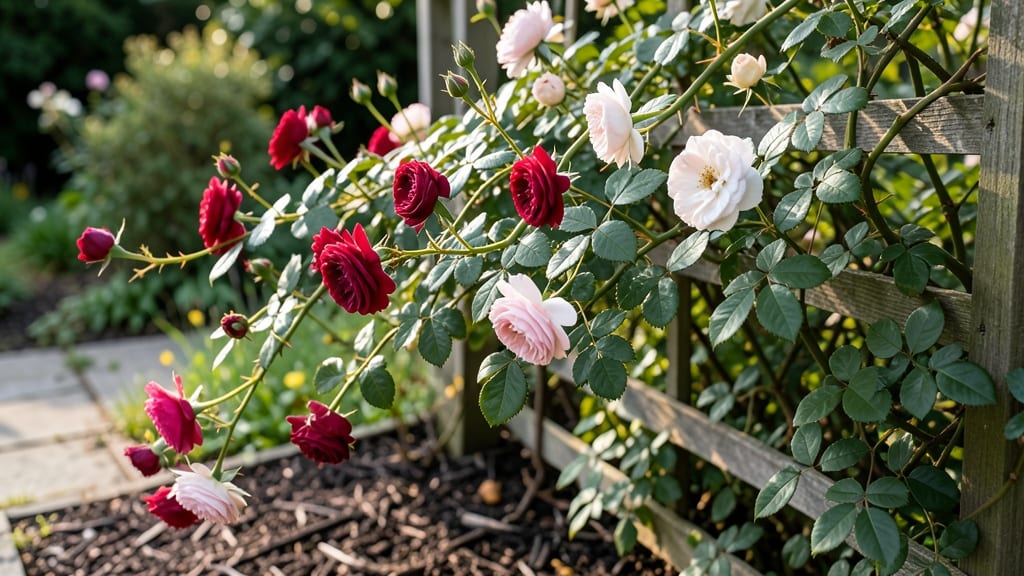
A rose tree’s mature size depends entirely on its variety—some stay as compact as 3 feet while others climb to 20 feet or more, turning your garden into a vertical masterpiece 🌹.
Picture this: You plant a delicate Knock Out® rose expecting it to stay tidy near your patio, only to watch it stretch toward the sky like it’s auditioning for a fairy-tale hedge.
The truth? Size isn’t just about genetics—it’s about how you prune, where you plant it, and whether you’re growing a shrub or a climber.
Most gardeners underestimate how much pruning shapes a rose’s future. A 3-foot floribunda left unchecked can become a 6-foot monster in just a few years, while a climber without proper support will sprawl into chaos.
The good news? With the right techniques, you can keep even the most ambitious varieties in check.
In this guide, I’ll break down the size ranges for popular roses, share my go-to pruning secrets to control growth, and show you how to plan your garden layout so your roses stay stunning—not overwhelming. Ready to turn size from a headache into a highlight?
Rose tree size by variety: from compact bushes to towering climbers
When planning your garden, knowing how big a rose tree gets is crucial for creating a harmonious space. Roses vary dramatically in size—from tiny miniature varieties that fit in containers to climbing roses that can reach 20 feet or more.
The mature size of a rose bush isn't just about aesthetics; it directly impacts spacing requirements, pruning needs, and even watering efficiency. Understanding these differences helps you choose the perfect rose for your garden layout, whether you're working with a small patio or a sprawling backyard.
Most gardeners make the mistake of planting roses too closely together, leading to crowded growth, poor airflow, and increased disease risk. Each rose variety has an ideal spacing range that accounts for its mature width as well as height.
For example, a compact bush rose might only need 2 feet of space, while a climbing rose could require 6 feet or more between plants. Let’s explore the most popular rose types and their expected sizes so you can plan your garden with confidence.
| Rose Type | Mature Height | Mature Width | Ideal Spacing | Best For |
|---|---|---|---|---|
| Miniature Roses | 1-2 ft | 1-2 ft | 12-18 inches apart | Containers, rock gardens, borders |
| Floribunda Roses | 2-4 ft | 2-3 ft | 2-3 ft apart | Bushes, mixed borders, cut flowers |
| Grandiflora Roses | 3-5 ft | 3-4 ft | 3-4 ft apart | Formal gardens, hedges, focal points |
| Shrub Roses | 4-6 ft | 4-5 ft | 4-5 ft apart | Background planting, naturalized areas |
| Climbing Roses | 10-20+ ft | 3-6 ft (spread) | 6-8 ft from support | Arbors, trellises, fences, pergolas |
| Knock Out® Roses | 3-4 ft | 3-4 ft | 3-4 ft apart | Low-maintenance landscapes, mass planting |
If you're growing miniature roses, their compact size makes them perfect for container gardening or adding color to small spaces like window boxes. These roses typically mature between 1-2 feet tall and 1-2 feet wide, so you can plant them just 12-18 inches apart without worrying about overcrowding.
They’re also ideal for rock gardens or as edging plants along pathways. Their small stature means they require less pruning and maintenance, making them a great choice for beginners.
Floribunda roses strike a balance between size and productivity, producing clusters of blooms on medium-height bushes. These roses usually reach 2-4 feet tall and 2-3 feet wide, making them versatile for mixed borders, cut flower gardens, or even as small hedges. When planting, give them 2-3 feet of space to allow for airflow and reduce disease risk. Their moderate size also makes them easier to prune compared to taller varieties, though they still benefit from regular deadheading to encourage continuous blooming.
For a more dramatic look, grandiflora roses deliver large, show-stopping blooms on sturdy stems. These roses can grow 3-5 feet tall and 3-4 feet wide, so they’re perfect for formal gardens, hedges, or as focal points
Pruning techniques to control rose tree size and shape
Controlling your rose tree's size isn't just about aesthetics—it's about creating a healthy, thriving plant that fits your garden space perfectly. Whether you want a compact bush for containers or a towering climber for trellises, pruning is your secret weapon.
The key lies in understanding when and how to cut, as well as which growth goals you're targeting.
Most gardeners make the mistake of pruning too late or using the wrong techniques, which can lead to overgrown roses or weak stems. Instead, think of pruning as a year-round conversation with your rose bush—each cut shapes its future.
With the right approach, you can keep a 6-foot climber contained or encourage a 3-foot bush to fill out beautifully.
Step-by-Step Pruning Guide
- 1 Assess your goal: Decide if you want to reduce height, encourage bushiness, or train a climber. This determines your pruning style.
- 2 Timing matters: Prune late winter (before buds swell) for major reshaping. For light maintenance, prune after blooming in spring or summer.
-
3
Use the right cuts:
- - For height control: Cut 1/3 of last year's growth just above an outward-facing bud.
- - For bushiness: Trim backward-growing branches to encourage outward growth.
- - For climbers: Prune long canes to 3-4 buds, tying new growth to supports.
- 4 Clean up: Remove dead, diseased, or crossing branches first. Sterilize pruners with rubbing alcohol between cuts to prevent spread of disease.
- 5 Seasonal check: In fall, do a light pruning to remove weak growth before winter dormancy. Avoid heavy pruning in late summer to prevent frost-sensitive new growth.
For compact roses, like miniature varieties, aim to keep the plant at 1-3 feet tall by pruning back one-third of the oldest canes each year. This encourages dense, bushy growth perfect for container gardening or small gardens.
Remember, the goal isn't to stunt growth but to guide it in the direction you want.
If you're working with a climbing rose, focus on training young canes along a trellis or fence. Prune these canes back to 3-4 buds in late winter, and throughout the season, remove any side shoots that aren't tied to the support.
This keeps the main stems strong and encourages upward growth rather than sprawling.
One of the most common mistakes is pruning too late in the season, which can leave your rose vulnerable to winter damage. Always aim to finish major pruning 6 weeks before the first expected frost.
For most gardeners in USDA Zone 6a, this means wrapping up pruning by mid-October.
Finally, don't forget that pruning tools matter. Use sharp, clean pruners or a pruning saw for thicker stems. Dull tools can crush stems and create entry points for disease.
After each cut, wipe your tools with rubbing alcohol to keep them sterile—this simple step can save your roses from fungal infections.