
Light Requirements
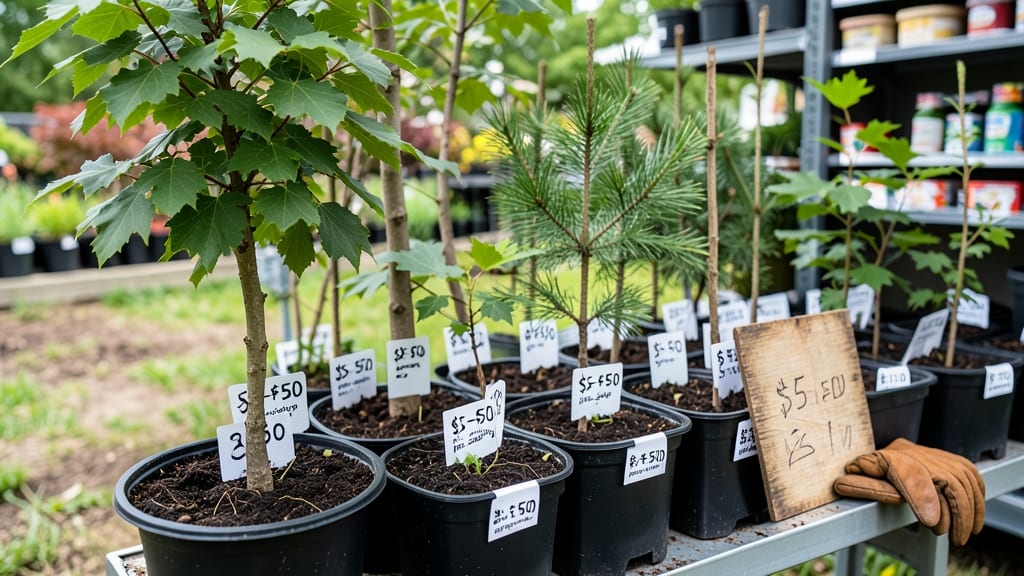
Tree sapling prices vary widely, typically costing $5 to $50 each depending on species, size, and supplier, with rare or specialty trees often priced over $100. Local nurseries usually offer better deals than online retailers or specialty growers.
Pricing for young trees depends on several key factors beyond just the species. 🌳 For example, container-grown saplings cost more than bare-root ones because they're easier to plant immediately, while native trees often have higher demand in their home regions.
Seasonal fluctuations also play a role—spring and fall sales can cut costs by 30-50% compared to summer pricing. I've found that buying in bulk (even 5-10 plants) frequently unlocks discounts that single purchases miss.
Another cost driver is rootstock quality—certified disease-free trees command premium prices, especially for fruit varieties like apple or cherry. The container size matters too: 1-gallon pots typically cost $15-$30, while 3-gallon specimens can reach $50-$100.
When budget matters, I always recommend checking local conservation programs first—they often sell native species at reduced rates to promote reforestation.
💡 In This Article
- Factors That Influence Tree Sapling Pricing
- Best Places to Buy Affordable Tree Saplings
Factors that influence tree sapling pricing
The species of tree is the single biggest cost driver. Rare or exotic varieties like Japanese maples or dawn redwoods can cost $100-$300 each, while common species like red maples or white pines stay under $20.
Native trees often command premium prices in their home regions due to conservation demand—my local nursery charges $45 for a 3-gallon native oak sapling, compared to $15 for the same size non-native pine. 🌳
Rootstock quality creates another pricing tier. Disease-free, grafted fruit trees (like apple or peach) cost 2-3x more than seed-grown specimens because they require specialized propagation. For example, a bare-root apple sapling might cost $12, while a container-grown, certified disease-free variety jumps to $35-$50.
Container size also directly impacts price: 1-gallon pots typically range from $10-$25, while 5-gallon specimens can exceed $100 for specialty trees.
Seasonal availability creates significant price swings. Spring and fall are prime planting seasons, so nurseries often discount saplings by 30-50% during these periods. Summer pricing can be 20-40% higher due to increased demand and potential heat stress during shipping.
I've seen local nurseries offer $5-$10 saplings in spring sales that normally retail for $25-$40.
Regional availability plays a surprising role. Native species cost more in areas where they're not naturally abundant—like eastern white pines in the Pacific Northwest—which can cost $30-$50 compared to $10-$15 in their native eastern range.
Shipping costs also add $10-$30 per plant when ordering online from distant suppliers, making local purchases more economical for most buyers. 💰
Certification programs add another cost layer. Trees certified for wildlife habitat or urban forestry programs often cost 10-20% more due to the additional verification processes. For instance, a standard red maple sapling might cost $25, while the same tree certified for urban forestry programs could reach $30-$35.
These premiums reflect the added value for environmental or community benefits.
Bulk purchasing unlocks the most significant savings. While single saplings might cost $20-$40, buying 10+ plants can reduce the per-unit price by 40-60%. My local conservation district offers $5-$10 native saplings in bulk lots of 25, making large-scale planting projects much more affordable.
This is why community reforestation programs often partner with local governments to provide discounted trees.