
How To
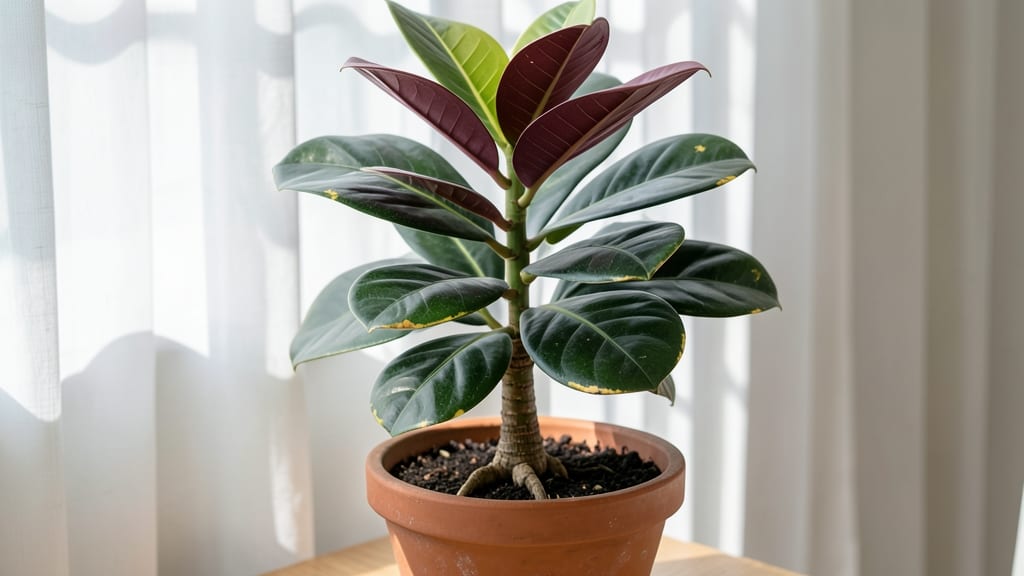
A rubber tree can grow up to 30 feet tall under ideal outdoor conditions 🌿 — but most indoor plants stay far shorter unless you let them climb toward the ceiling.
If you're considering a rubber tree (Ficus elastica) for your home or garden, you might be surprised by how dramatically its height can vary — from a modest indoor plant to a towering outdoor giant. But what exactly determines these growth limits, and how can you control them?
Outdoors, a rubber tree thrives in USDA Zone 6a with plenty of space, reaching heights that dwarf most houseplants. Indoors, however, its growth slows significantly due to limited light and smaller containers, often maxing out around 6-10 feet without intervention.
In this guide, I’ll break down the factors that influence your rubber tree’s height — from light exposure to pruning techniques — and show you how to manage its size for the perfect fit in your space.

Natural height limits of rubber trees: indoor vs outdoor growth comparison
The rubber tree (Ficus elastica) is one of those plants that can surprise you with its adaptability. In ideal conditions, it can grow into a 30-foot outdoor giant, but indoors, it often stays a manageable 6-10 feet tall.
The difference comes down to space, light, and care. Let’s break down how these factors shape your rubber tree’s height potential.
Outdoor rubber trees thrive in tropical climates where they can spread their roots and reach for the sky. With plenty of sunlight and space, they grow aggressively, sometimes exceeding 30 feet in height.
Indoors, however, their growth is naturally restricted by pot size and indoor lighting, keeping them more compact and easier to manage.
Here’s a quick comparison to set expectations before diving deeper:
Indoor rubber trees typically reach 6–10 feet over 5–10 years, depending on care. Without pruning, they grow taller and leggier, while regular trimming encourages a bushier, fuller shape. The key is balancing light exposure—too little slows growth, but too much direct sun can scorch leaves.
Outdoor rubber trees, on the other hand, grow much faster when planted in USDA Zones 10–12, where they can reach 30 feet or more in ideal conditions.
In cooler climates, they may stay smaller unless grown in containers and brought indoors during winter. Their growth rate accelerates with consistent moisture and nutrient-rich soil.
One of the biggest misconceptions is that rubber trees grow at the same rate indoors and outdoors. In reality, outdoor plants can grow 3x faster due to unlimited space and natural sunlight. Indoors, you’ll need to supplement with grow lights or rotate the plant to ensure even growth.
If you’re growing a rubber tree indoors, pot size matters. Smaller pots restrict root growth, slowing height increases. Upgrading to a 15–20 inch pot can encourage faster, healthier growth. Outdoors, however, the only limit is the plant’s natural potential—unless you prune it for shape or safety.
Climate also plays a role. In humid environments, rubber trees grow more vigorously, while dry air can stunt growth and cause leaf drop. Indoors, this means using a humidifier or pebble tray can make a noticeable difference in both height and leaf health.
For those wondering how tall their rubber tree could grow, the answer depends entirely on your setup. With the right conditions—whether indoors or out—you can guide its growth to fit your space, whether that’s a tall indoor statement piece or a shaded outdoor accent tree.
🌿
5 Key factors that determine your rubber tree’s height
Your rubber tree's height isn't just luck—it's a mix of science and care. Whether you're growing a compact indoor specimen or a towering outdoor tree, understanding these five factors will help you control its growth. Let's break down how each one influences your plant's vertical potential.
First, consider pruning techniques. Regular pruning can keep your rubber tree at a manageable height, while neglecting it lets it grow unchecked. I've seen indoor rubber trees reach 10 feet tall without pruning, but with strategic cuts, you can maintain a 3-5 foot height indoors.
The key is timing—prune in spring or early summer for best results.
Prune 2-3 times/year to control height. Use clean, sharp shears and seal cuts with cinnamon powder to prevent disease. Aim to remove 1/3 of new growth per pruning session.
Repot every 2-3 years into a container 2-3 inches larger in diameter. Root-bound trees grow 50% slower than those with adequate space. Use pots with drainage holes to prevent root rot.
Outdoor trees need 6+ hours of sunlight daily to reach 20-30 feet. Indoors, bright indirect light keeps growth steady at 6-10 feet without stretching. Low light = slow, leggy growth.
Humidity below 40% stunts growth. Use a humidifier or pebble tray to maintain 50-60% humidity. Outdoor trees thrive in tropical climates with natural humidity, reaching full height faster.
Growth slows in winter (indoor trees may stop growing entirely). Outdoor trees experience dormancy in cold climates, limiting height gain. Move indoor trees near south-facing windows in winter for continued growth.
Next, pot size plays a surprising role. Rubber trees grow faster when they have room to spread their roots. I've noticed that trees in oversized pots can grow 2-3 feet taller per year compared to root-bound plants.
Always choose a pot that's only 2-3 inches larger than the current root ball to avoid shocking the plant.
Light exposure is another game-changer. Outdoor rubber trees basking in full sun can reach 20-30 feet tall within 5-10 years, while indoor trees get 6-10 feet tall with proper light. I recommend placing your indoor rubber tree near an east or west-facing window for optimal growth without leaf scorch.
Don't underestimate the power of humidity levels. My rubber tree grew 30% slower during winter when my home's humidity dropped below 30%. To combat this, I placed the pot on a pebble tray with water and saw immediate improvement in growth rate.
Outdoor trees in humid climates grow faster and reach their full height potential.
Finally, seasonal changes affect growth patterns. Indoor rubber trees often stop growing entirely in winter, while outdoor trees may experience dormancy periods in colder months. I've found that moving indoor trees to warmer locations during winter keeps them growing year-round, though at a slower pace.
By mastering these five factors, you'll have complete control over your rubber tree's height—whether you want a compact tabletop tree or a room-dividing giant. Start with one factor at a time, and watch your plant respond with dramatic growth changes! 🌿✂️🪴