
How To
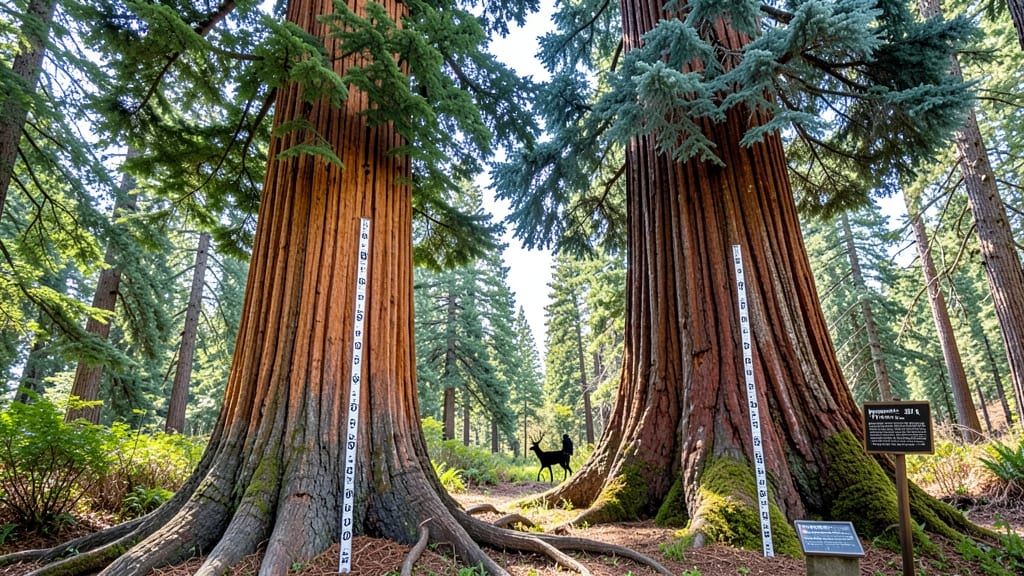
A sequoia tree can grow how tall can a sequoia tree grow to 380 feet—taller than a 30-story building—making it one of the most breathtaking natural wonders on Earth 🌲.
Imagine standing beneath a towering giant that dwarfs even the tallest skyscrapers—sequoias aren’t just trees, they’re living monuments to nature’s grandeur. But just how high can these ancient giants reach, and what makes their growth so extraordinary?
Most people assume these giants take centuries to reach their full height, but their early years hold the real key to their massive stature. With the right conditions—moist, nutrient-rich soil and full sun—young sequoias can grow up to 3 feet per year in their prime.
In this guide, I’ll break down the science behind their record-breaking heights, the factors that limit their growth, and how you can nurture a sequoia in your own backyard—even if it never reaches the sky.

Sequoia tree height records: the tallest trees on Earth
When you gaze upward at a sequoia tree, it’s easy to feel like an ant beside a skyscraper. These ancient giants hold the title for tallest trees on Earth, with some stretching over 380 feet—taller than a 30-story building.
But how do they achieve such staggering heights? The answer lies in their genetics, ideal growing conditions, and sheer resilience. Let’s explore the record-breakers and what makes their growth possible.
Among the most famous is Hyperion, the tallest known tree on Earth, standing at 380.1 feet (115.9 meters) as of recent measurements. Discovered in 2006, this coast redwood (Sequoia sempervirens) thrives in California’s Redwood National and State Parks.
Its height rivals the Statue of Liberty’s height plus its pedestal—an awe-inspiring feat of nature. But Hyperion isn’t alone; other sequoias like Helios and Icarus also surpass 350 feet, pushing the boundaries of what we thought possible for trees.
| Tree Name | Species | Height (ft) | Location | Age (Est.) |
|---|---|---|---|---|
| Hyperion | Coast Redwood | 380.1 | California | ~700-800 yrs |
| Helios | Coast Redwood | 379.7 | California | ~700-800 yrs |
| Icarus | Coast Redwood | 379.5 | California | ~700-800 yrs |
| General Sherman | Giant Sequoia | 274.9 | California | ~2,200-2,700 yrs |
| President Tree | Giant Sequoia | 247.5 | California | ~3,200 yrs |
While coast redwoods dominate the height charts, giant sequoias (Sequoiadendron giganteum) like the General Sherman Tree win in sheer volume. Though shorter at 274.9 feet, Sherman’s trunk volume is massive—enough to fill a 60-car garage!
These trees grow in California’s Sierra Nevada mountains, where cooler temperatures and thick fog create ideal conditions for their massive growth.
The key to their height lies in their genetics and environment. Sequoias thrive in USDA Zones 5-9, where they receive abundant rainfall (50+ inches annually) and well-drained, nutrient-rich soil.
Their deep root systems—some extending 100 feet underground—allow them to access water and nutrients that other trees can’t reach. Additionally, their thick bark protects them from fires, a natural part of their ecosystem that actually stimulates new growth.
But not all sequoias reach their full potential. Factors like elevation, competition for sunlight, and human interference can stunt their growth. For example, sequoias planted in urban areas or at higher elevations often max out at 100-150 feet due to limited resources.
Even in their native habitats, some trees never grow beyond 200 feet because of crowding or poor soil quality.
If you’re dreaming of growing a sequoia in your garden, remember: these trees need space, patience, and the right conditions. Planting a bare-root seedling in well-draining soil with full sun exposure is a great start, but expect it to take centuries to reach even 100 feet.
For most gardeners, smaller varieties
What determines how tall a sequoia tree can grow?
When I think about sequoias, I’m always amazed by how their towering heights defy imagination—some reaching 380 feet or more! But what makes these giants grow so tall? The answer lies in a mix of genetics, environmental conditions, and even historical climate patterns.
Unlike many trees, sequoias don’t just grow upward—they thrive in specific conditions that push their growth to extraordinary limits.
The two most iconic sequoia species—coast redwoods and giant sequoias—each have unique traits that influence their height. Coast redwoods (Sequoia sempervirens) dominate in height, while giant sequoias (Sequoiadendron giganteum) excel in girth.
Understanding these differences helps explain why some sequoias stretch toward the sky while others remain shorter, even in the same region.
- 1. Genetics: Coast redwoods have faster vertical growth due to their genetic makeup, allowing them to reach 380 feet or taller.
- 2. Climate: Coastal fog and high humidity in California create ideal conditions for rapid growth.
- 3. Soil Quality: Well-draining, nutrient-rich forest soil supports deep root systems essential for stability and height.
- 4. Elevation: Giant sequoias thrive in mountainous regions (4,000–8,000 ft), where cooler temps slow decay and promote longevity.
- 5. Competition: Dense forests limit height, while open spaces allow sequoias to grow unobstructed.
- 6. Age: Mature sequoias grow 1–2 feet per year for centuries, but growth slows as they age.
One of the most critical factors is climate. Coast redwoods, for example, rely on the coastal fog of Northern California, which provides moisture without heavy rainfall. This foggy environment allows them to grow twice as tall as giant sequoias, which thrive in drier, inland mountain regions.
The fog belt acts like a natural irrigation system, ensuring consistent moisture for rapid vertical growth.
Soil quality also plays a pivotal role. Sequoias prefer deep, well-draining soil rich in organic matter. In their native habitats, fallen leaves and needles create a nutrient-rich layer that supports their massive root systems. Poor soil drainage or compacted ground can stunt growth, preventing sequoias from reaching their full potential.
Even in ideal conditions, root competition from surrounding trees can limit height, which is why isolated sequoias often grow the tallest.
Elevation is another game-changer. Giant sequoias, found in the Sierra Nevada mountains, grow best between 4,000–8,000 feet, where cooler temperatures slow the decomposition of their massive trunks. This allows them to live for 2,000–3,000 years, accumulating height over millennia.
Meanwhile, coast redwoods, which grow at lower elevations, focus more on vertical growth due to their thinner bark and faster metabolic rates.
Finally, age matters. While young sequoias grow 1–2 feet per year, their growth rate slows dramatically after 500 years. Some sequoias never reach their maximum height due to disease, fire, or human interference.
However, in pristine conditions, these ancient giants continue to stretch toward the sky, defying gravity and time. Their ability to grow so tall is a testament to nature’s resilience and the perfect storm of genetics, climate, and environment working in harmony.