
How To
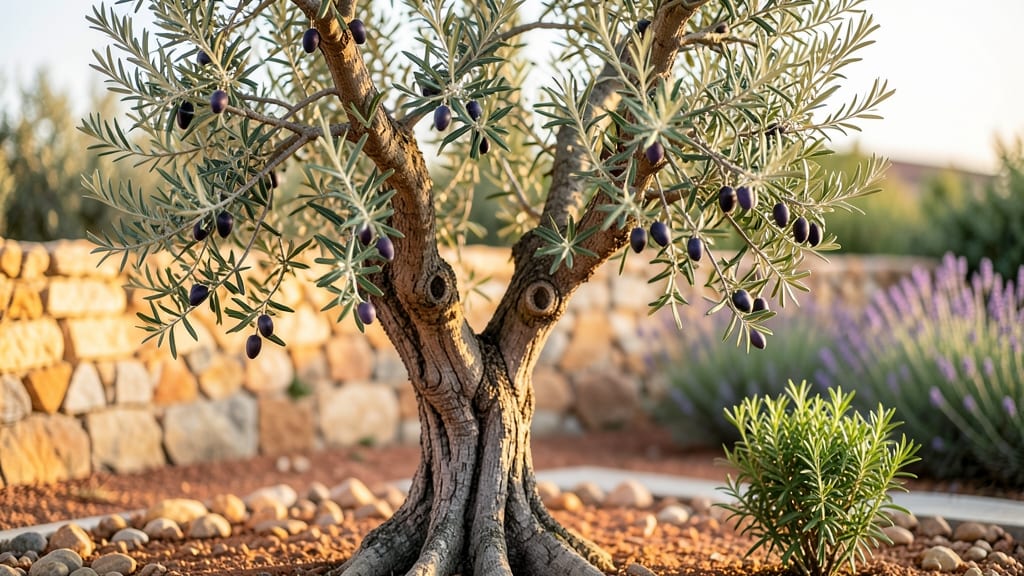
How tall does an olive tree grow? The height of these majestic plants varies dramatically—from small dwarf varieties that stay under 12 feet to towering giants that reach over 50 feet in ideal Mediterranean climates.
Wondering if your backyard can accommodate an olive tree? Olive trees grow to heights between 8 feet and 50 feet depending on the variety and growing conditions, making them a versatile choice for both small gardens and sprawling estates.
For gardeners in USDA Zone 6a, where winters can be harsh, choosing the right variety and pruning strategy is key. Dwarf olive trees like Arbequina stay compact, while standard varieties like Manzanillo can grow tall if left unpruned.
Below, I’ll break down the height ranges by variety, how climate and pruning affect growth, and practical tips to control size—whether you’re growing in a container or a full sun garden.

Olive tree height ranges by variety: from dwarf to giant
Choosing an olive tree for your garden starts with understanding their height potential. Some varieties stay compact at 8 feet tall, while others grow into 50-foot giants.
The right selection depends on your space, climate, and whether you want a dwarf for containers or a standard tree for olives. Let’s explore the most popular varieties and their mature heights.
Olive trees thrive in USDA Zones 8-10, but some cold-hardy varieties extend their range to Zone 7. Their growth rate varies—some reach 1 foot per year, while others grow 2-3 feet annually in ideal conditions.
Pruning plays a huge role in controlling height, especially for container-grown trees or urban gardens.
🌱
The Arbequina olive tree is the smallest variety, perfect for patio containers or small urban yards. Its 8-12 foot height makes it ideal for balcony gardens or even large pots. If you’re growing it in a 15-gallon container, expect it to stay under 6 feet tall with regular pruning.
For olive oil production, the Frantoio and Leccino varieties are top choices, reaching 20-35 feet. These trees grow 2-3 feet per year and thrive in Mediterranean climates. In cooler regions like Zone 7, they may grow slower but still reach impressive heights with proper care.
If you’re dreaming of giant olive trees, the Mission variety is legendary, often exceeding 50 feet in ideal conditions. These historic trees were planted in California’s Mission gardens over 200 years ago and remain some of the tallest olive trees in the world.
For table olives, the Manzanillo is a close second, growing 25-40 feet tall.
🌳
Did you know some wild olive trees in Greece and Italy reach heights of 60+ feet? These ancient specimens grow in unmanaged forests with no pruning, showcasing the tree’s natural potential.
In your garden, achieving such heights requires space, time, and minimal interference—unless you’re aiming for a shade tree rather than fruit production.
When selecting a variety, consider your garden layout. A 10-foot Arbequina fits neatly under a patio awning, while a 30-foot Mission needs 20+ feet of clearance. Always check local building codes if planting near structures—overhanging branches can cause damage over time.
For container growing, stick to dwarf varieties like Arbequina or Little Ollie (a 6-foot dwarf). Use a minimum 15-gallon pot and upgrade to 25+ gallons as the tree matures. Remember, root-bound trees grow slower and produce fewer olives.
✂️
How growing conditions affect olive tree height and spread
Your olive tree's final height isn't set in stone—it's shaped by where you grow it and how you care for it. In their native Mediterranean climate, olive trees thrive and can reach 50 feet tall with a spread of 20-30 feet.
But in temperate zones like the U.S., growth slows dramatically, often maxing out at 20-30 feet without intervention. The right conditions can turn a towering giant into a manageable small tree—or vice versa!
Soil type plays a surprising role too. Olive trees prefer well-draining, slightly alkaline soil (pH 6.0-8.0). Heavy clay soils stunt growth by suffocating roots, while sandy soils encourage rapid vertical growth.
Water availability is another key factor—consistent moisture during establishment fuels height growth, but overwatering leads to weak, leggy trees that struggle to support their own weight.
Factors That Influence Olive Tree Height
✅ Pros of Ideal Conditions
- Full sun (6+ hours): Maximizes growth potential
- Well-draining soil: Encourages strong root development
- Mediterranean climate: Natural growing conditions for rapid growth
- Pruning discipline: Controls height while maintaining shape
❌ Cons of Poor Conditions
- Limited sunlight: Stunts growth to 10-15 feet
- Heavy clay soil: Roots suffocate, slowing height gain
- Overwatering: Causes weak, top-heavy growth
- No pruning: Leads to unmanageable, sprawling trees
Pruning techniques offer the most direct control over height. Structural pruning in early spring removes competing branches, directing energy upward. For container-grown trees, topping (cutting back the main stem) keeps height manageable while encouraging bushier growth. Remember: olive trees grow 1-2 feet per year—patience is key when shaping them!
If you're growing olives in USDA Zone 7 or colder, expect slower growth due to shorter growing seasons. Mulching with wood chips insulates roots in winter, preserving energy for spring growth spurts.
In contrast, coastal climates with mild winters can produce trees that grow 3-4 feet per year with proper care.
For maximum height, plant in deep, loose soil and avoid pruning for the first 3-5 years. To control spread, prune outer branches annually to maintain a 2:1 height-to-width ratio. This balance ensures your olive tree stays structurally sound while maximizing olive production at every height level.
My personal tip: If space is tight, choose columnar varieties like 'Swan Hill' that naturally grow 10-15 feet tall with minimal spread. With the right conditions, even small yards can support productive olive trees—just be mindful of how each factor influences growth patterns! 🌿