
How To
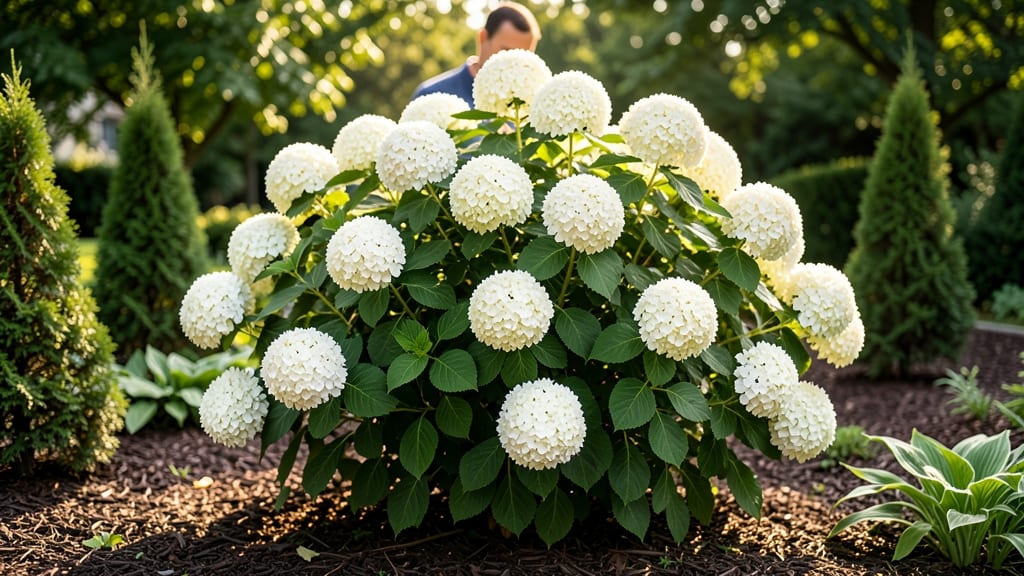
How tall hydrangea trees grow depends on the variety and care you provide—ranging from 3 feet to over 15 feet—and choosing the wrong one for your space can turn a dreamy garden center purchase into a pruning nightmare.
Picture this: You plant a Hydrangea paniculata expecting a pretty patio shrub, only to watch it stretch toward the sky like a 20-foot giant in just a few years. The truth is, some varieties stay compact, while others shoot up like they’re racing for the clouds.
Knowing these exact growth ranges upfront saves you from awkward conversations with your neighbors about "accidental privacy screens."
In this guide, I’ll break down the mature heights of the most popular hydrangea trees, including the fastest growers (like ‘Limelight’) and the dwarf varieties perfect for containers.
You’ll also learn how pruning, sunlight, and soil can tweak their growth—because even the biggest hydrangeas can be kept in check with the right techniques.
By the end, you’ll know exactly which hydrangea fits your yard (and which to skip if you value your sanity). Let’s dive into the numbers so you can plant with confidence—and avoid the "oops, it’s bigger than my garage" moment.

Hydrangea tree height ranges by variety: from dwarf to giant
Choosing the right hydrangea variety means understanding their mature height ranges, which can vary from 3 feet to over 15 feet. Some varieties stay compact enough for containers, while others become towering focal points.
Let’s break down the top 12 varieties by height, including their growth habits and ideal spacing.
Hydrangeas fall into three broad categories: dwarf (3–5 ft), semi-dwarf (5–8 ft), and standard (8–15 ft). The variety you pick will determine whether you’re planting a patio accent or a privacy screen.
Always check the mature height before planting—some varieties can easily outgrow their space in just 3–5 years!
| Variety | Mature Height | Growth Rate | Best For |
|---|---|---|---|
| H. arborescens 'Annabelle' | 4–5 ft | Moderate (1–2 ft/year) | Containers, small gardens |
| H. paniculata 'Limelight' | 6–8 ft | Fast (2–3 ft/year) | Privacy screens, borders |
| H. quercifolia 'Snow Queen' | 8–10 ft | Moderate (1–2 ft/year) | Woodland gardens, shade |
| H. macrophylla 'Endless Summer' | 3–5 ft | Slow (6–12 in/year) | Borders, foundation plants |
| H. paniculata 'Grandiflora' | 10–12 ft | Fast (2–3 ft/year) | Statement plants, large gardens |
| H. arborescens 'Little Lime' | 3–4 ft | Slow (6–12 in/year) | Containers, urban gardens |
The Hydrangea arborescens group, like 'Annabelle' and 'Little Lime', stays compact, making them perfect for small spaces or container gardening. These varieties grow slowly, so you won’t see dramatic height changes year to year.
For faster-growing options, consider H. paniculata varieties like 'Limelight', which can add 2–3 feet annually.
If you’re aiming for a bold statement, H. quercifolia or H. paniculata 'Grandiflora' will reach 10+ feet in ideal conditions. These varieties thrive in moist, well-draining soil and partial shade, which helps them grow taller without becoming leggy.
Always plant them 3–5 feet away from structures to avoid overcrowding.
For urban gardens or balconies, dwarf varieties like 'Endless Summer' or 'Little Lime' are ideal. They fit neatly into 5-gallon containers and can be pruned to maintain their shape. Just remember: even dwarf hydrangeas need well-draining soil and regular watering to stay healthy and compact.
Growth rates also depend on your climate zone. In USDA Zones 5–9, most hydrangeas grow faster due to longer growing seasons. However, in hotter climates, some varieties may struggle to reach their full height without extra care, like mulching and consistent watering.
Before planting, sketch your garden layout and mark where each hydrangea will go based on its mature height. A 12-foot variety planted too close to a patio will eventually block walkways. For priv
How to control hydrangea tree height: pruning tips by growth type
Pruning your hydrangea tree isn’t just about keeping it neat—it’s about balancing growth and flower production. Fast growers like Hydrangea paniculata can shoot up 3 feet per year, while slower varieties like H. arborescens gain only 1-2 feet annually.
The key? Pruning at the right time and with the right technique to encourage healthy blooms while controlling height.
Before grabbing your pruners, know that when you prune depends entirely on your hydrangea’s growth habit. Some varieties bloom on old wood (last year’s growth), while others bloom on new wood.
Get this wrong, and you’ll end up with no flowers or a leggy, unruly plant. Let’s break down the best practices for each type.
For fast-growing varieties like Hydrangea paniculata ‘Limelight’, which can reach 10-15 feet, prune in late winter or early spring before new growth starts. Use clean, sharp pruners to make cuts just above a bud or node.
This encourages bushier growth and prevents the tree from becoming top-heavy. Aim to remove 1/3 of the oldest stems each year to maintain shape and airflow.
If your hydrangea is a slow grower, like Hydrangea arborescens ‘Annabelle’ (which maxes out at 3-5 feet), focus on light shaping prunes after flowering. Remove dead or crossing branches first, then trim back any leggy stems by 1/4 to encourage fuller blooms.
Avoid heavy pruning—these varieties bloom on old wood, so aggressive cuts can reduce next year’s flowers.
Tools matter just as much as timing. Use bypass pruners for small stems and a pruning saw for thicker branches. Always sterilize tools with rubbing alcohol to prevent disease spread.
For large hydrangeas, consider pole pruners to reach high branches safely. And remember: Never prune in fall—this can stimulate tender new growth that won’t survive winter.
To keep your hydrangea tree at your desired height, prune incrementally. For example, if you want a 6-foot tree, trim back 1-2 feet annually until it reaches the target. Pair pruning with annual fertilization (like a balanced 10-10-10 in early spring) to support controlled growth.
With patience and precision, you’ll have a well-shaped hydrangea that blooms beautifully without taking over your yard. ✂️🌿🌸