
How To
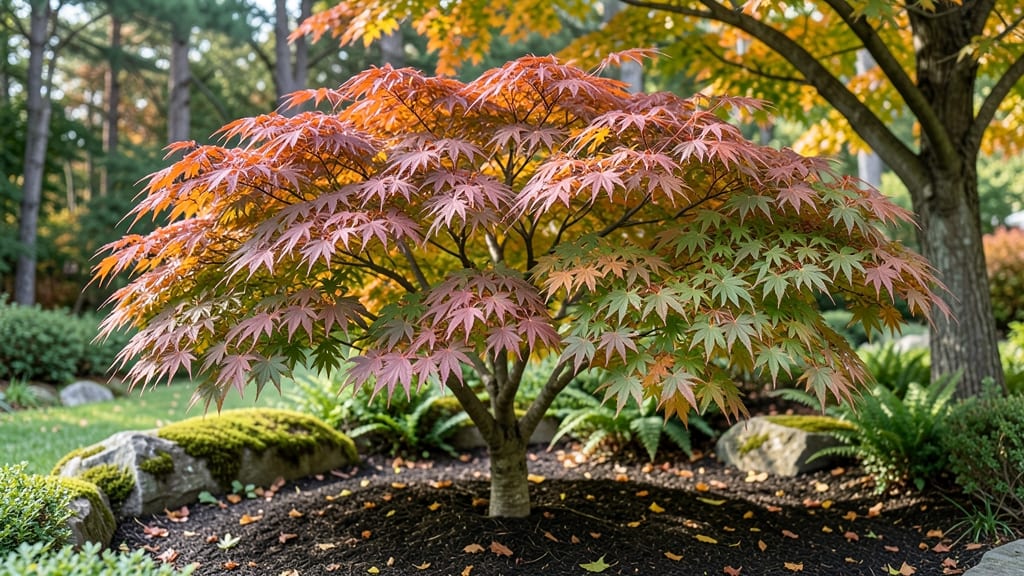
A Japanese Maple Tree can grow how tall it does—anywhere from 8 feet to over 30 feet, depending on the variety you choose—so if you're planning your garden layout, this is the first detail you need to nail.
Picture this: a tiny 'Dwarf Purple' barely clearing your fence by year five, or a 'Emperor I' stretching toward your roof by maturity. The difference isn’t just height—it’s about space, sunlight needs, and even how much pruning you’ll tackle.
Some varieties like 'Bloodgood' or 'Shishigashira' stay in that 15- to 20-foot range, making them perfect for medium-sized yards, while others like 'Shira Kashiwa' can top 25 feet if given the right conditions.
In this guide, I’ll break down the height ranges by variety, share the growth rates you can expect, and give you the pruning secrets to keep your tree at your ideal height—no surprises when it’s time to mow around it.

Japanese maple tree height guide: mature sizes by popular variety
Japanese maple trees (Acer palmatum) are prized for their stunning foliage and elegant growth habits, but their mature height varies dramatically by variety. If you're planning your garden layout, knowing these height ranges will help you choose the perfect specimen for your space.
Some varieties stay under 10 feet, making them ideal for small yards, while others can reach 30 feet or more, requiring careful placement near structures.
For example, the Bloodgood cultivar is a popular choice for larger gardens, often topping out at 20-25 feet, while the Dwarf Purple variety remains a compact 6-8 feet tall. Understanding these differences ensures you select a tree that fits your vision without overwhelming your landscape.
Let’s explore the most common varieties and their mature heights to help you make an informed decision.
📌 Pro Tip: Always check the specific cultivar’s growth habits, as even within the same species, heights can vary by 50% or more.
| Variety | Mature Height (ft) | Growth Habit | Best For |
|---|---|---|---|
| Bloodgood | 20-25 ft | Upright, rounded | Large gardens, focal points |
| Emperor I | 15-20 ft | Weeping, cascading | Ornamental features, shade |
| Dwarf Purple | 6-8 ft | Compact, bushy | Small gardens, containers |
| Crimson Queen | 12-15 ft | Upright, spreading | Medium yards, borders |
| Viridis | 15-20 ft | Upright, pyramidal | Shade trees, larger spaces |
| Shishigashira | 8-12 ft | Dwarf, weeping | Bonsai-style gardens, containers |
| Orangeola | 10-12 ft | Compact, rounded | Small to medium gardens |
| Seiryu | 12-15 ft | Weeping, dramatic | Stunning focal points |
| Koto-no-ita | 10-12 ft | Upright, spreading | Traditional gardens, borders |
| Tamukeyama | 25-30 ft | Tall, upright | Large estates, wooded areas |
| Shishigashira Nishiki | 6-8 ft | Dwarf
How fast Japanese maple trees grow: annual growth rates by typeJapanese maple trees (Acer palmatum) are prized for their stunning foliage and graceful forms, but their growth speed varies dramatically by variety. Some cultivars grow just 3-5 inches per year, making them perfect for small gardens, while others can surge 12+ inches annually under ideal conditions. Understanding these rates helps you plan your landscape design and manage expectations for your tree's development. Faster growth typically occurs in standard varieties like 'Emperor I' or 'Bloodgood', which thrive in rich, moist soil with full sun to partial shade. In contrast, dwarf varieties like 'Crimson Queen' or 'Shishigashira' grow slowly due to their genetic makeup and compact growth habits. Even within the same variety, growth rates can differ based on climate, soil quality, and care practices. For example, the 'Bloodgood' Japanese maple typically grows 10-12 inches per year when planted in well-draining soil with morning sun and afternoon shade. However, in cooler climates like USDA Zone 5, its growth may slow to 6-8 inches annually due to shorter growing seasons. Meanwhile, 'Crimson Queen' often grows just 3-5 inches per year, making it ideal for container gardening or small landscapes. Soil quality plays a critical role in growth speed. Japanese maples thrive in acidic, well-draining soil with a pH between 5.0 and 6.5. Heavy clay soils can stunt growth by 30-50%, while amended soil with compost or peat moss can accelerate growth by 20-30%. Always test your soil before planting to ensure optimal conditions for your chosen variety. Light exposure also impacts growth rates. While most Japanese maples prefer partial shade, varieties like 'Emperor I' grow 25% faster in full sun (with afternoon protection in hot climates). In contrast, variegated varieties like 'Butterfly' may grow slower in full sun due to increased stress on their delicate foliage. Always match your variety's light needs to its growth potential. Proper watering is another key factor. Young Japanese maples need deep watering 2-3 times per week during their first year to establish strong root systems. Once established, reduce watering to weekly deep soaks during dry spells. Overwatering or waterlogging can halve growth rates by suffocating roots, while consistent moisture keeps your tree growing at its expected pace. With the right conditions, even slow-growing varieties can reach their mature height in 10-15 years. For faster results, focus on soil health, proper light exposure, and regular care. Whether you're growing a compact 'Shishigashira' or a towering 'Emperor I', understanding these growth rates helps you create a stunning landscape that fits your space and timeline. 🌿 |