
How To
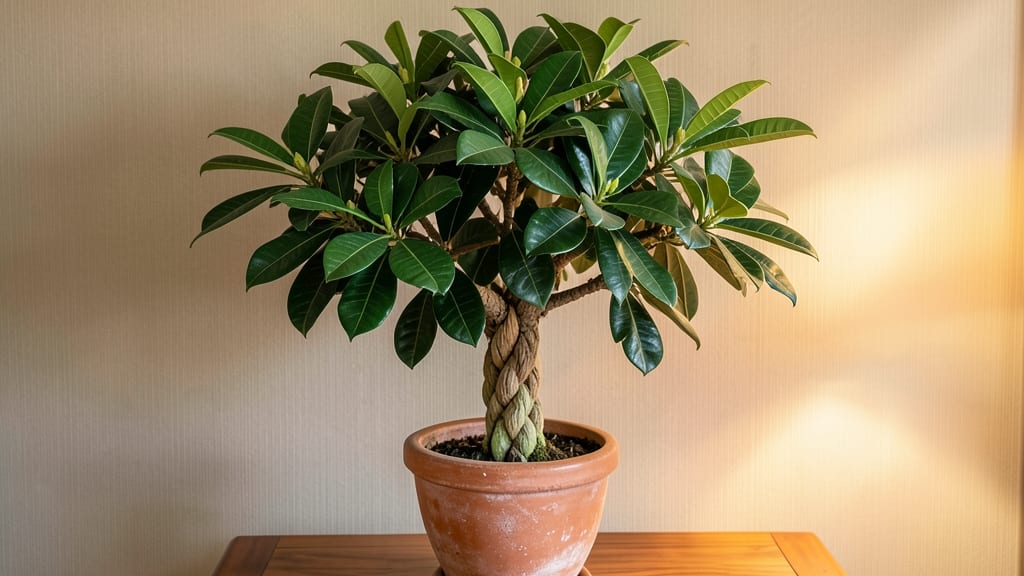
Money tree height by age: growth stages from seed to mature plant
Your money tree (Pachira aquatica) starts as a tiny seedling but can become a stunning indoor statement piece—if you know what to expect.
Understanding its growth stages by age helps you plan for its mature size, whether you want a compact desk plant or a tall floor centerpiece. The journey from seed to full maturity spans years, with growth rates influenced by light, care, and variety.
Most money trees reach their mature height (6–10 feet) between 3–5 years, but some compact varieties stay under 3 feet. The key is providing the right conditions early—like bright indirect light and well-draining soil—to encourage steady growth.
Without proper care, your plant might grow slower or develop leggy stems.
Below is a detailed breakdown of how tall your money tree will grow at each stage, including average height ranges and growth rates for common varieties like the ‘Money Tree Braided’ and ‘Raintree’. Use this as your roadmap to nurture a healthy, thriving plant.
Your money tree’s first year is critical for establishing a strong root system. If you start with a 6-inch seedling, it may only grow 1–2 feet tall by year’s end—but with bright indirect light and consistent moisture, it can double that height.
The ‘Money Tree Braided’ variety, for example, often grows faster in its first year due to its vigorous stems.
Between years 2–3, your plant enters its fastest growth phase, adding 3–5 feet if conditions are ideal. This is when you’ll see the most dramatic changes in height.
To encourage this growth, place your money tree near an east-facing window or under grow lights for 12–14 hours daily. Avoid overwatering, though—root rot can stunt growth if soil stays soggy.
By year 4–5, your money tree will likely reach its mature height, though growth slows significantly. The ‘Raintree’ variety, for instance, often maxes out at 8–10 feet, while dwarf types like ‘Pachira glabra’ may stay under 5 feet.
At this stage, focus on maintenance pruning to shape the plant and remove dead leaves. Reduce fertilization in fall and winter to mimic its natural dormancy period.
One common misconception is that money trees grow equally well indoors and outdoors. While they thrive indoors with proper care, outdoor conditions—like direct sunlight or temperature fluctuations—can accelerate growth but may also stress the plant.
If you live in USDA Zone 10–11, you can grow a money tree outdoors year-round, where it may reach
How variety affects money tree height: tallest vs. compact types
Choosing the right money tree variety is key if you want a tall statement plant or a compact desk companion. While all Pachira aquatica species share similar care needs, their mature heights can vary dramatically—from just 3 feet to over 10 feet tall.
The variety you pick directly impacts how much space you’ll need and whether your plant will thrive in a cozy apartment or sprawl across a living room.
For example, the iconic ‘Money Tree Braided’ (Pachira aquatica ‘Braided’) is often marketed as a compact option, but with proper care, it can easily reach 6–8 feet indoors. Meanwhile, the ‘Raintree’ (P. insignis) variety leans toward the taller side, often exceeding 8 feet without pruning.
Understanding these differences helps you match your plant to your space and lifestyle.
Light exposure plays a huge role in determining whether your money tree stays compact or skyrockets. The ‘Dwarf’ variety, for instance, thrives in low to medium light, making it ideal for offices with limited natural light.
In contrast, the ‘Raintree’ (P. insignis) craves bright indirect light to reach its full 8–12 foot potential. If you notice your plant stretching toward a window, it’s a clear sign it needs more light to stay proportionate.
Pot size also influences height—root-bound plants grow faster vertically to escape their containers. For compact varieties, use a smaller pot (12–16 inches) and repot only when roots circle the drainage holes. For taller types, opt for a larger pot (18+ inches) to encourage broader growth and stability.
Always use a pot with drainage holes to prevent root rot, which stunts growth entirely.
Pruning is your secret weapon for controlling height. If your ‘Braided’ money tree is reaching toward the ceiling, trim back the top 2–3 inches in spring to encourage bushier growth. For taller varieties, prune selectively to maintain a balanced shape and prevent top-heavy instability.
Just remember: pruning stimulates new growth, so time it right—right after the plant flowers (if indoors) or in early spring.
With the right variety and care, your money tree can become the perfect size for your space—whether that’s a 3-foot desk buddy or a 10-foot living room centerpiece. Start by matching your plant to your light conditions, then adjust pot size and pruning to guide its growth.
Your ideal money tree is just a few trims away! 🌿