
How To
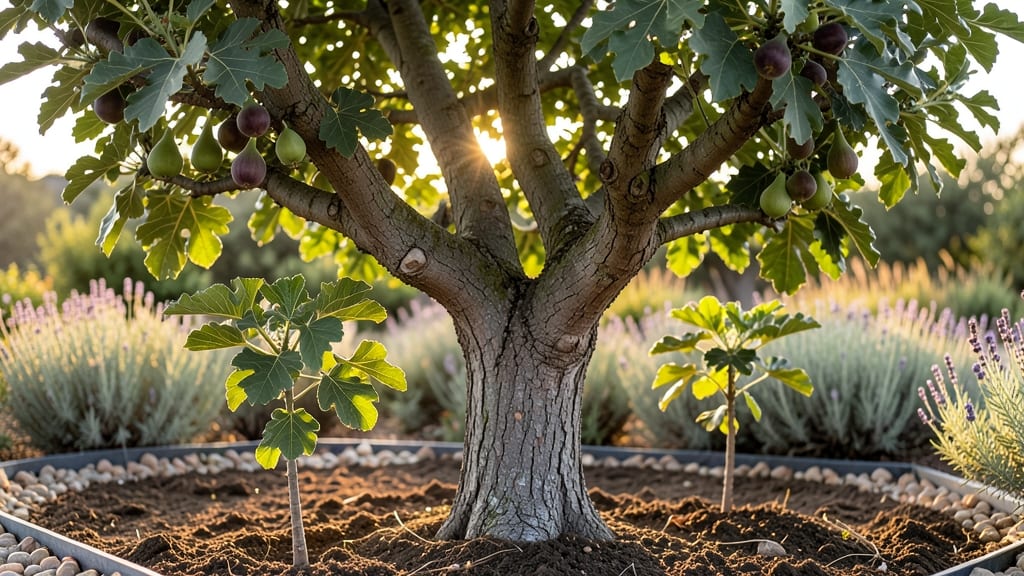
A fig tree will grow anywhere from 8 feet to over 30 feet tall, depending on the variety and growing conditions you provide.
Picture this: You’ve just planted a tiny fig sapling in your backyard, dreaming of juicy figs in a few years.
But before you get too excited, you need to know that some varieties will stretch toward the sky like a skyscraper, while others stay compact enough for a container on your patio. The difference isn’t just about space—it’s about patience, pruning, and picking the right type for your climate.
If you’re in Zone 6a or warmer, you’ll find dwarf varieties like ‘Little Miss Figgy’ topping out at 8–12 feet, perfect for small yards or even large pots. Meanwhile, standard types like ‘Brown Turkey’ can easily hit 20–30 feet—that’s taller than your two-story house!—if left unchecked.
The good news? With the right pruning techniques, even the tallest fig trees can be tamed into a manageable size.
In this guide, I’ll break down the height ranges for popular fig varieties, share pruning secrets to control growth, and help you decide which type fits your space—whether you’ve got a sprawling garden or just a sunny balcony. Let’s get growing!

Fig tree height by variety: from dwarf to giant sizes
Fig trees offer an exciting range of sizes, from tiny patio dwarfs to towering giants that dominate the landscape. If you're wondering how tall will a fig tree grow, the answer depends entirely on the variety you choose.
Some varieties stay under 10 feet, perfect for containers, while others can reach 30 feet or more—taller than most two-story homes! Knowing these differences helps you plan your garden layout and avoid overcrowding issues.
Before selecting a fig tree, consider your space and climate. Dwarf varieties thrive in small yards or even large pots, while standard and giant varieties need ample room to spread their roots and branches.
Some varieties also grow wider than they do tall, requiring extra space for their spreading canopies. Below, I’ve broken down the most popular fig tree varieties by size category, including their mature heights, spreads, and ideal growing conditions.
🌱 Pro Tip: Most fig trees grow faster in USDA Zones 7-10, where they can thrive year-round. In colder climates, dwarf varieties are your best bet for container growing or protected outdoor spaces.
If you're working with limited space, dwarf varieties like 'Little Miss Figgy' are ideal. This variety stays under 12 feet tall and thrives in 15-gallon containers, making it perfect for balconies or small patios.
Its compact growth habit also means it won’t overwhelm your outdoor furniture or deck. Pair it with a trellis to train it vertically if you want to maximize your space even further.
'Violette de Bordeaux' is another excellent choice for smaller gardens. It reaches 10–15 feet tall and has a bushy, spreading canopy that produces stunning purple-skinned figs. This variety is also cold-hardy, tolerating temperatures down to 15°F, which makes it a great option for gardeners in USDA Zone 7 or cooler. Plant it near a fence or wall to support its branches as it matures.
For larger properties, 'Brown Turkey' is a classic choice. This standard-sized fig tree can grow 20–30 feet tall with a 15–20 foot spread, making it a statement piece in any landscape. It’s also highly productive, yielding large, sweet figs that are perfect for fresh eating or baking.
If you’re planting this variety, give it plenty of room—its roots and branches will spread aggressively over time.
If you're looking for a fast-growing fig tree, 'Celeste' is a top contender. This variety can reach 15–25 feet tall in just a few years, especially in warm climates with full sun exposure.
It’s also known for its prolific fruit production, making it a favorite among home gardeners who want both shade and harvests. Prune it regularly to control its height
How to control fig tree height: pruning tips for small spaces
If you love the idea of growing fig trees but worry about their towering height, don’t fret! With the right pruning techniques, you can keep your fig tree compact while still enjoying a bountiful harvest.
Fig trees are naturally adaptable, and strategic pruning can transform a 30-foot giant into a manageable 6-foot patio tree. The key is understanding when and how to prune to encourage bushier growth or maintain a specific height.
Before grabbing your pruners, remember that fig trees produce fruit on both new and old wood. Overly aggressive pruning can reduce your harvest, so focus on shaping rather than drastically cutting back.
Start by identifying the central leader (main vertical stem) and any suckers (shoots growing from the base). These are your main targets for height control.
Step-by-Step Pruning Guide for Fig Trees
- Step 1: Choose the Right Time
Prune your fig tree in late winter or early spring (before new growth begins) or right after harvest (late summer). Avoid pruning in fall or winter in cold climates, as this can damage tender wood. - Step 2: Gather Your Tools
Use clean, sharp pruners or a pruning saw for thicker branches. Disinfect tools with rubbing alcohol to prevent disease spread. Wear gloves to protect against thorns and sap. - Step 3: Remove Dead or Weak Wood
Cut out any dead, diseased, or crossing branches first. These compete with healthy growth and can harbor pests. Make cuts at a 45-degree angle just above a leaf node or bud. - Step 4: Thin Out Overcrowded Branches
Focus on the central leader and remove 1-2 competing vertical shoots to maintain height. For a bushier shape, trim back the tips of horizontal branches to encourage lateral growth. - Step 5: Shape for Desired Height
To keep your fig tree under 6 feet, cut back the central leader to your desired height. For a multi-trunk tree, select 3-4 strong branches and prune others to encourage a fuller canopy. - Step 6: Encourage New Growth
After pruning, apply a balanced fertilizer (5-10-10) to support new growth. Water deeply to help the tree recover. Avoid heavy pruning in the first year to establish a strong root system.
One common mistake is pruning too late in the season, which can stimulate new growth that won’t harden off before winter. Another error is removing too many branches at once, which stresses the tree and reduces fruit production.
Always prune gradually, removing no more than 25% of the canopy in a single session.
For container-grown fig trees, pruning is even more critical since space is limited. Use dwarf varieties like 'Little Miss Figgy' and prune regularly to prevent root-bound stress.
In containers, fig trees may grow 2-3 feet shorter than their ground-planted counterparts, but they still benefit from annual pruning to maintain shape and encourage fruiting.
With consistent pruning, your fig tree can thrive in even the smallest spaces. Start small, observe how the tree responds, and adjust your approach each year. Soon, you’ll have a well-shaped, productive fig tree that fits perfectly in your garden—no towering heights required!