
How To
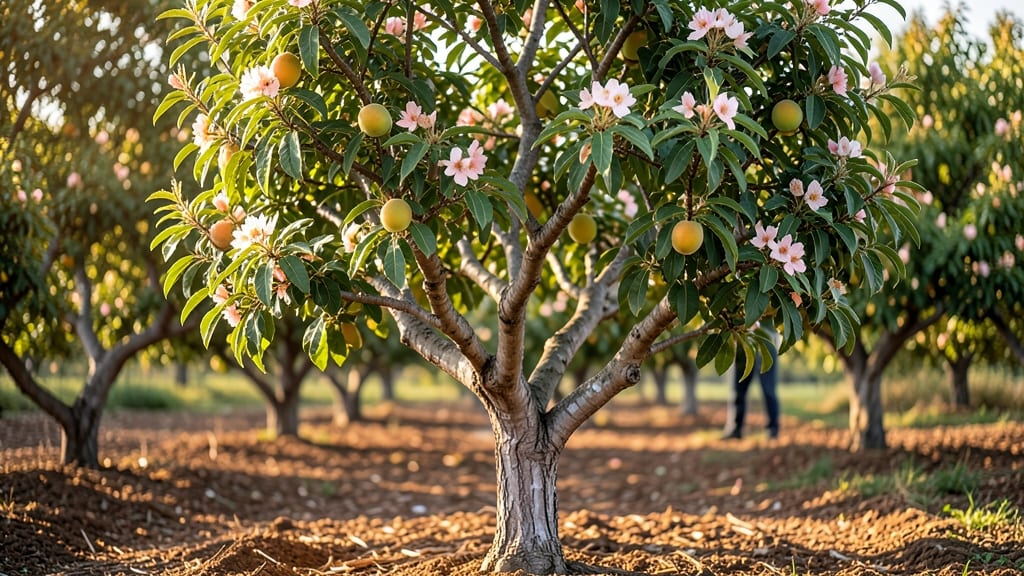
A peach tree grows to between 15 and 25 feet tall at maturity, depending on the variety and care you provide—so your backyard plans may need a little more space than you think.
If you're dreaming of homegrown peaches but wondering whether your yard can handle a towering peach tree, you're not alone. Some varieties stay compact, while others reach the height of a two-story house, and planting too close can mean lost fruit and endless pruning battles.
Below, we break down the height ranges for dwarf, semi-dwarf, and standard peach trees, along with the key factors that influence how tall your tree will grow—so you can pick the perfect fit for your space.
You'll also discover how to estimate a tree's final size before planting, pruning tips to control height, and the best varieties for small gardens or containers.

Peach tree height by variety: dwarf to standard sizes explained
Choosing the right peach tree variety isn't just about flavor—it's about space planning. A standard peach tree can tower 20-30 feet tall, while dwarf varieties stay under 10 feet. Knowing these differences helps you avoid overcrowded orchards or frustrating pruning battles later.
Let's break down the most popular varieties and their mature heights so you can pick the perfect fit for your garden.
First, understand that peach tree height is controlled by rootstock and cultivar. Dwarf varieties are grafted onto stunted rootstock like Lovell or Nemaguard, while standard trees use seedling rootstock. Semi-dwarf varieties offer a middle-ground solution for gardeners with limited space but who still want a manageable tree.
Always check the tag—what's labeled "dwarf" can sometimes reach 12 feet if conditions are ideal.
📌 PRO TIP: Measure your space before buying. A 25-foot tree needs at least 15 feet of clearance in all directions for proper airflow and fruit access. If your yard is tight, consider container growing for dwarf varieties.
| Variety Type | Mature Height | Spread | Best For | Space Needs |
|---|---|---|---|---|
| Dwarf (e.g., Bonanza, Redhaven) | 8-12 ft | 6-10 ft | Containers, small yards | 10x10 ft area |
| Semi-Dwarf (e.g., Elberta, Reliance) | 12-18 ft | 10-15 ft | Backyards, urban gardens | 15x15 ft area |
| Standard (e.g., Halford, Springcrest) | 20-30 ft | 15-25 ft | Orchards, large properties | 25x25 ft area |
| Columnar (e.g., Bonanza Columnar) | 10-12 ft | 3-4 ft | Tight spaces, vertical gardens | 5x5 ft area |
🌱 Note: Heights vary by rootstock and growing conditions.
For small-space gardeners, dwarf varieties like Bonanza or Redhaven are game-changers. These trees mature at 8-12 feet tall and produce high-quality fruit without dominating your yard. They're also perfect for container growing—just use a 15-gallon pot with drainage holes.
Semi-dwarf varieties like Elberta strike a balance, reaching 12-18 feet while still fitting in most backyards.
If you have ample space, standard varieties like Halford or Springcrest deliver exceptional yields and longer lifespan. These trees can live 20-30 years with proper care, but they require regular pruning to manage height and shape.
Always plant them 15-20 feet apart to prevent disease spread and improve fruit quality.
Don't overlook columnar varieties like Bonanza Columnar. These trees grow only 10-12 feet tall but stay narrow (3-4 feet wide), making them ideal for narrow yards or urban patios.
They produce fruit along their entire length, so you get more harvests per square foot than traditional trees. Just ensure they get full sun exposure—even columnars need 6-8 hours daily.
When planning your peach tree layout, consider wind exposure and sunlight patterns. Trees on the south or west side of your yard will grow faster due to more sunlight. If you're planting multiple trees, space them 20-30 feet apart to allow for future growth and easy harvesting.
For container growing, place pots on casters for mobility—you'll want to move them to follow the sun as it shifts seasons.
One common mistake is underestimating canopy spread. A 20-foot-tall tree might only need 15 feet of vertical space, but its branches can spread 25 feet wide. Always measure horizontally too! If your yard is long and narrow, plant trees along the length rather than width.
For round yards, arrange trees in a circular pattern around a central feature like a garden bench or fire pit.
For first-time growers, I recommend starting with a semi-dwarf variety. They're forgiving for beginners but still productive enough to reward your efforts. Plus, they give you
How to choose the right peach tree size for your space
Selecting the right peach tree size depends on your yard dimensions and gardening goals. A standard peach tree can reach 20-30 feet tall, while dwarf varieties stay between 8-12 feet. Choosing the wrong size can lead to overcrowding, poor fruit production, or difficult pruning tasks.
Your space constraints and climate zone play critical roles. In small gardens or urban yards, dwarf or semi-dwarf trees thrive, while larger orchards can accommodate standard-sized trees. Rootstock also influences height—dwarfing rootstock keeps trees compact, ideal for containers or tight spaces.
Peach Tree Size Options: Pros & Cons
- ✅ Fits small yards or containers
- ✅ Easier to prune and harvest
- ✅ Produces fruit faster (2-3 years)
- ❌ Limited fruit yield per tree
- ❌ Needs staking or support
- ✅ Balances size and productivity
- ✅ Works for medium-sized yards
- ✅ Higher fruit yield than dwarfs
- ❌ Requires more space than dwarfs
- ❌ Slower to mature (3-5 years)
- ✅ Best for large orchards
- ✅ Highest fruit production
- ✅ Longer lifespan
- ❌ Needs ample space (20+ ft apart)
- ❌ Requires regular pruning
For containers or balconies, opt for dwarf varieties like 'Bonanza' or 'Redhaven' grafted onto Lovell rootstock. These stay under 10 feet tall and produce fruit within 2-3 years.
In small gardens, semi-dwarf trees like 'Elberta' (grafted on Halford rootstock) reach 12-15 feet, perfect for 6x6-foot plots.
In USDA Zones 5-9, prioritize cold-hardy varieties like 'Relentless' (semi-dwarf) or 'Contender' (dwarf). These adapt well to urban heat islands while staying compact. Always check your local frost dates—early bloomers need protection in Zone 5.
Pro tip: Measure your yard’s width and height before buying. A standard tree’s canopy spreads 15-20 feet wide, so plant it at least 15 feet from fences or structures. For small spaces, consider espalier training to grow trees flat against walls or trellises.
Remember, rootstock matters most. Dwarfing rootstock like Lovell or Pixy keeps trees small, while standard rootstock (like Nemaguard) lets trees grow tall. Always ask your nursery for rootstock details—it’s the secret to controlling your peach tree’s height! 🌱