
Size
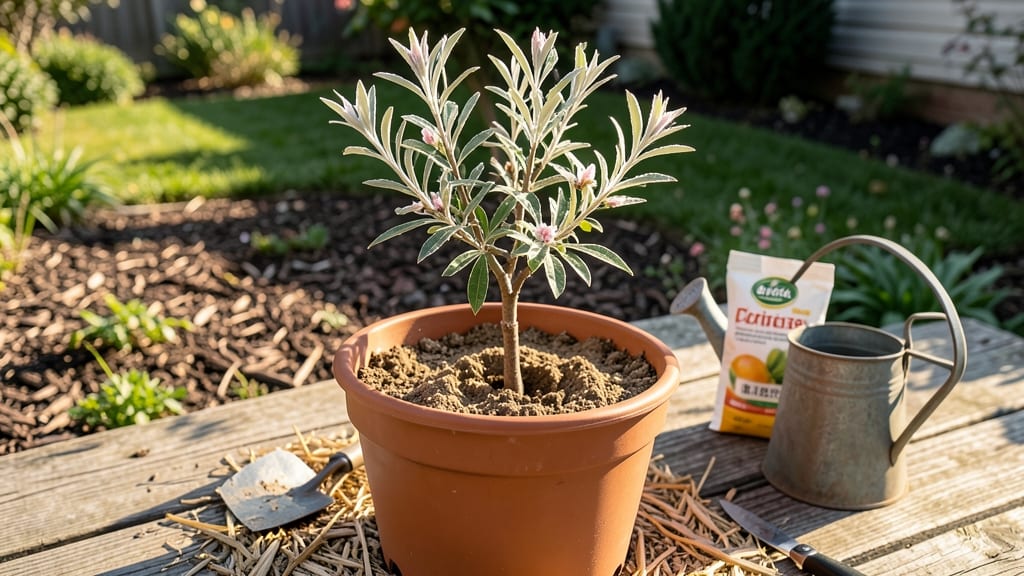
Growing almond trees at home isn't just for orchards—dwarf varieties thrive in small yards and even large containers. 🌱 I planted mine last spring in a 15-gallon pot, and now it's sending out new shoots every year. The key is choosing the right variety and mimicking its natural Mediterranean climate.
Most home gardeners need two trees for cross-pollination, but some self-fruiting dwarf varieties like 'Nonpareil' or 'Butte' can produce nuts with just one. Your tree will need full sun (6+ hours daily) and well-draining soil—think sandy loam mixed with compost.
Water deeply once a week, but never let it sit soggy. By year three, you'll see your first blossoms, followed by tiny green nuts in late summer. The real magic happens in year five when production peaks—imagine fresh almonds from your own backyard.
Prune in late winter to shape the tree and remove dead wood, keeping branches 6-8 feet tall at most. This works best in USDA zones 6-9, but container-grown trees can overwinter indoors in colder climates.
Patience is the only requirement—these trees take 3-5 years to bear fruit, but the wait is worth it for that first harvest.
📚 In This Guide
- What you need
- Instructions
- Tips and common mistakes
- Wrapping up and next steps
What you need
- ● Dwarf almond tree sapling (choose self-pollinating varieties like 'Nonpareil' or 'Peerless' for small gardens).
- ● 5-gallon pot or container (with drainage holes) or a well-draining soil bed (minimum 6" deep).
- ● High-quality potting mix (use a blend of 60% well-draining soil, 20% compost, and 20% perlite/sand).
- ● Slow-release fertilizer (10-10-10 NPK ratio, 1–2 lbs per tree).
- ● Organic mulch (wood chips or straw, 2–3 inches thick).
- ● Drip irrigation system or watering can (with a 1-gallon capacity).
- ● Pruning shears (sterilized, sharp for clean cuts).
- ● Garden gloves (to protect hands from thorns).
- ● Soil pH test kit (ideal range: 6.0–7.5).
- ● Tree support stake (for young saplings in windy areas).
- ● Pest control spray (neem oil or insecticidal soap for aphids/mites).
- ● Cold frame or greenhouse setup (if growing in USDA Zones 5–7).
- ● Pollinator-friendly plants (like bees or windbreaks if cross-pollination is needed).
Step-by-step instructions for growing almond trees at home
Here's how I've successfully grown dwarf almond trees in small spaces—no orchard needed.
🌱 Step 1: Select and Prepare the Right Dwarf Variety
Choose a self-pollinating dwarf variety like 'Texas' or 'Nonpareil' to simplify growing. These stay under 10 feet tall and thrive in containers or small yards. Buy a 2-3 year old bare-root sapling from a reputable nursery—they establish faster than seeds. Soak the roots in lukewarm water for 2 hours before planting to revive them.
Almond trees need well-draining soil—they hate soggy roots. If your soil is heavy clay, mix in equal parts sand and compost to improve drainage. The hole should be twice as wide as the root ball but only as deep. Loosen the sides of the hole with a shovel so roots can spread easily.
🪴 Step 2: Plant in the Right Spot with Proper Care
Place your tree where it gets full sun (6-8 hours daily)—almonds need intense light to produce nuts. In containers, use a 15-gallon pot with drainage holes and fill with a mix of 50% potting soil, 30% perlite, and 20% compost. The root ball should sit 1 inch above the pot rim to prevent waterlogging.
Water deeply right after planting until moisture reaches 6 inches down. Then let the soil dry slightly before watering again—almonds prefer moderate moisture, not soggy conditions. Mulch around the base with 2-3 inches of wood chips, keeping it 6 inches away from the trunk to prevent rot.
☀️ Step 3: Provide Year-Round Care for Healthy Growth
Almond trees need consistent watering during their first year—deep watering every 7-10 days (when the top 2 inches of soil feel dry). Once established, they tolerate drought better but still need regular moisture during nut development. Fertilize in early spring with a balanced 10-10-10 fertilizer (follow package rates).
Prune in late winter (before buds swell) to shape the tree and remove dead wood. Cut back one-third of the oldest branches to encourage new growth. Almonds bloom in early spring, so avoid heavy pruning then—you’ll reduce flower production. Watch for aphids or spider mites (common pests)—spray with neem oil if you see webbing or sticky residue on leaves.
⏰ Step 4: Protect and Encourage Fruit Production
Almond trees need cross-pollination—plant two compatible varieties (like 'Nonpareil' and 'Fritz') 20-30 feet apart for best results. If space is tight, hand-pollinate with a small brush in early spring when flowers open. Thin young fruits to 6-8 inches apart once they form—this ensures larger, healthier nuts.
Harvest when the hulls turn brown and split open (usually late summer to early fall). Soak nuts in water for 24 hours to loosen the shells, then dry them in a warm, sunny spot for 2-3 weeks. Store in an airtight container in a cool, dark place—they’ll keep for up to a year.
Tips & tricks for perfect almond tree growth in small spaces
Small spaces shouldn't limit your almond dreams—here's how to maximize success with dwarf varieties.
Root Revival Secret: That 2-hour soak for bare-root saplings isn't just about hydration—it jumpstarts root growth. I like adding a pinch of rooting hormone to the lukewarm water for an extra boost. This helps compensate for transplant shock, especially if you're planting during hot weather. After soaking, gently massage the roots to encourage spreading before planting.
Container Hack: For potted almonds, use a 15-gallon pot with at least three drainage holes—one at the bottom and two on opposite sides. This prevents water from pooling at the roots while still allowing good airflow. I also add a layer of gravel at the bottom before the soil mix to improve drainage further.
Sunlight Strategy: When full sun isn't possible, supplement with a grow light for 4-6 hours daily during winter months. Almond trees need that intense light for photosynthesis, especially in their first year. I place mine under a LED grow light on a timer to maintain consistent energy production when natural sunlight drops below 6 hours.
Pruning Precision: When cutting back one-third of oldest branches in late winter, focus on removing branches that cross or grow inward. These compete for sunlight and nutrients. I use sharp pruning shears and make cuts just outside the branch collar (the swollen area where the branch meets the trunk). This technique promotes faster healing and better regrowth.
Pro Tips for Grow Almond Tree At Home
- Small spaces shouldn't limit your almond dreams—here's how to maximize success with dwarf varieties.
- Root Revival Secret: That 2-hour soak for bare-root saplings isn't just about hydration—it jumpstarts root growth.
- Container Hack: For potted almonds, use a 15-gallon pot with at least three drainage holes—one at the bottom and two on opposite sides.
Frequently asked questions
Got questions about growing your own almond tree at home? You’re not alone—many beginners wonder how to tackle challenges like space, timing, and care. Here are answers to the most common questions to set you up for success!
Can I grow an almond tree in a pot, or does it need a garden?
Yes! Dwarf almond varieties (like Nonpareil or Fritz) thrive in containers as long as the pot is at least 15–20 gallons with drainage holes. Just ensure it gets 6+ hours of sunlight daily and replant in soil after 3–5 years for better growth.
How long does it take for an almond tree to bear fruit?
Patience is key—most dwarf almond trees take 3–5 years to produce nuts, even with ideal care. Cross-pollination (planting two compatible varieties) speeds up fruiting. Pro tip: Prune young trees to encourage stronger branches early!
What’s the best climate for growing almond trees at home?
Almonds love USDA Zones 7–10, with warm, dry summers and cool winters. If you’re in a colder zone, grow in a container and overwinter indoors near a sunny window. Avoid humid climates—fungus risks rise with excess moisture.
Why aren’t my almond tree leaves turning green, or are they yellowing?
Yellowing leaves often signal overwatering or nutrient deficiency (like nitrogen). Check soil moisture—it should dry slightly between waterings. For yellowing edges, test for chlorosis (iron deficiency) and amend soil with chelated iron. Pests like aphids can also cause stress—spray with neem oil if needed.
Can I grow almonds from store-bought nuts, or do I need to buy a tree?
Nope! Store-bought almonds are processed (skin removed, treated) and won’t sprout. Start with a dwarf grafted tree from a nursery (e.g., Fast-Growing-Trees.com) for guaranteed results. Bonus: Grafted trees bear fruit faster than seeds!
Wrapping up and next steps
Growing your own almond tree at home—even in small spaces—is totally doable with the right dwarf variety and a little patience! 🌱 Whether you’re dreaming of fresh nuts, a stunning ornamental tree, or a low-maintenance addition to your garden, the key is consistency in care and optimism in your approach.
Start small, nurture your tree with love (and the right sunlight!), and soon you’ll be harvesting your own homegrown almonds.
Ready to take the next step? Plant that seedling today! If you’re feeling extra ambitious, research local pollination partners or explore cross-pollination tips to boost your tree’s fruit production. Happy growing! 🌟