
Blooming
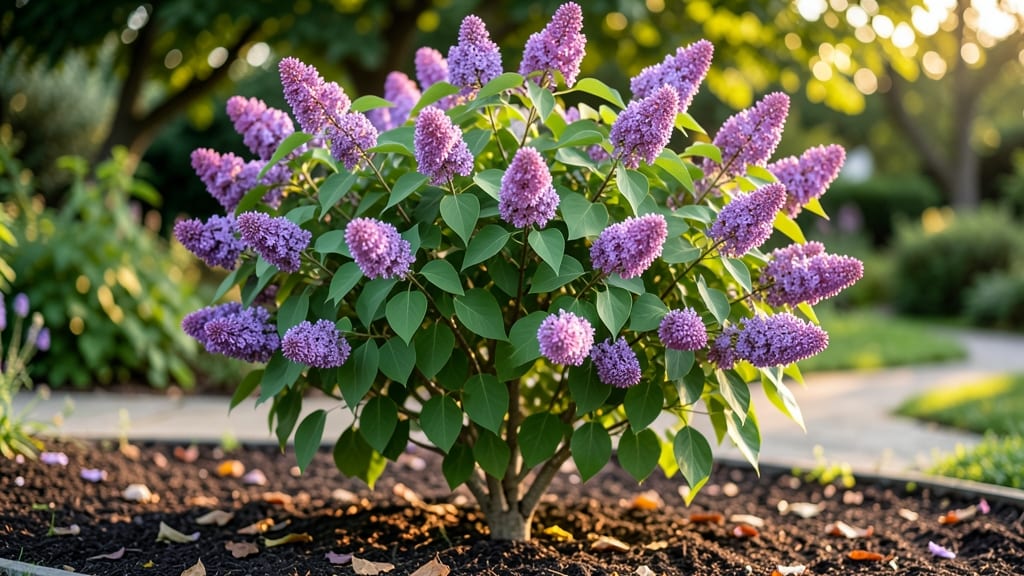
Your lilac tree’s first burst of color arrives after 3-5 years of patience—but timing depends on where you live and how you care for it. 🌸 I planted mine in Zone 6, and the first blooms came in year 4, a fragrant pink cloud that turned my yard into a springtime magnet.
The key? Understanding your climate, variety, and a few simple care tricks that make all the difference.
Most lilacs bloom in late spring, between April and June, but exact timing shifts with your USDA zone. Southern gardeners see flowers as early as March, while northern growers might wait until June.
Variety matters too—French lilacs bloom earlier than common types, and some repeat-bloom cultivars give you a second show in summer. Pruning at the right time (right after blooming) actually encourages bigger, more abundant flowers next year.
You’ll know it’s working when those first buds appear—thick clusters of color that fill the air with sweetness. The secret to getting there faster? Consistent watering (especially in the first two years) and avoiding heavy pruning until the plant’s established.
With the right care, your lilac will become the star of your spring garden, year after year.
Whether you’re in a cool climate or a warm one, these tips work across regions. The payoff? A tree that keeps getting more spectacular with age—and starts blooming reliably within just a few seasons. Here’s how to set it up for success.
📚 In This Guide
- What you need
- Instructions
- Tips and common mistakes
- Wrapping up and next steps
What you need
- ● Lilac tree sapling: Choose a healthy, disease-free Syringa vulgaris (common lilac) or hybrid variety (e.g., 'Katherine Havemeyer' or 'President Lincoln'). Size: 1–3 gallons (for faster bloom time, opt for a 3-gallon container).
- ● Well-draining soil: Mix 2 parts topsoil, 1 part compost, and 1 part perlite/sand (improves aeration). pH: 6.0–7.0 (neutral to slightly alkaline).
- ● Organic fertilizer: 10-10-10 NPK (balanced) or 5-10-10 with micronutrients (avoid high-nitrogen early on). Quantity: 1 lb per 100 sq. ft.
- ● Mulch: 2–3 inches of wood chips or shredded bark (retains moisture, suppresses weeds).
- ● Watering can or hose: With a gentle spray nozzle (avoids soil erosion).
- ● Pruning shears: Bypass-style (sharp, clean cuts for new growth).
- ● Garden gloves (nitrile-coated for durability).
- ● Trowel or spade (for digging holes 2x wider than the root ball).
- ○ Soil pH test kit (optional but helpful for adjusting acidity).
- ● Slow-release fertilizer spikes (for convenience, apply 2–3 times/year).
- ● Stake & ties (if planting in windy areas; 3–4 ft tall).
- ● Lilac pruning guide (or app like Gardenate for bloom-time reminders).
How to time lilac tree blooms for stunning spring color
Here's how to ensure your lilac tree bursts into fragrance and color right on schedule.
☀️ Step 1: Choose the Right Variety for Your Climate
Lilacs bloom at different times based on their hardiness zones and specific cultivars. Early bloomers like 'Katherine Havemeyer' open in late April, while late varieties such as 'Miss Canada' wait until early May. Check your USDA zone—most lilacs thrive in zones 3-7, but some southern varieties extend to zone 8. I always match the bloom time to my last frost date to avoid late spring freezes damaging buds.
If you're in a warmer zone, opt for late-blooming varieties to avoid heat stress during flowering. The key is selecting a cultivar that aligns with your local spring weather patterns. For example, 'Bloomerang' lilacs rebloom in summer, but their primary spring display still follows the typical late April to early May window.
🌱 Step 2: Plant at the Correct Time for Strong Root Establishment
Plant your lilac in early fall or late winter—this gives roots 6-8 months to establish before the first bloom cycle. I've found that fall-planted lilacs often flower the following spring, while spring-planted trees may take an extra year. Dig a hole twice as wide as the root ball but only as deep—planting too deep suffocates the roots.
Amend the native soil with 2-3 inches of compost mixed into the bottom of the hole. Lilacs prefer slightly acidic to neutral soil (pH 6.0-7.0). Water deeply after planting to eliminate air pockets, then mulch with 2-3 inches of organic mulch (like wood chips) to retain moisture and regulate soil temperature.
⏰ Step 3: Prune Strategically to Encourage Consistent Blooms
Prune lilacs immediately after they finish blooming—never in fall or winter, as this removes next year's flower buds. I use sharp bypass pruners to cut back one-third of the oldest stems to the ground, while leaving younger stems intact. This rejuvenation pruning prevents overcrowding and encourages stronger blooms in 3-5 years.
Remove any dead, diseased, or crossing branches first. Avoid heavy pruning in the first few years—your tree needs energy to establish its root system. If you see weak growth or sparse blooms, it might be time to adjust your pruning approach. The goal is to maintain an open center that allows sunlight to reach all branches.
💧 Step 4: Water and Fertilize for Optimal Bloom Performance
Lilacs are drought-tolerant once established, but young trees need 1-2 inches of water per week during their first two growing seasons. Water deeply at the base—avoid overhead sprinkling, which can promote fungal diseases. I check soil moisture by sticking my finger 2 inches down; if it feels dry, it's time to water.
Apply a balanced, slow-release fertilizer (10-10-10) in early spring before buds swell, then again after blooming. Over-fertilizing leads to lush foliage but fewer flowers. If your lilac's leaves turn yellow, it might need iron—apply chelated iron in early spring for a quick fix.
🌿 Step 5: Protect Buds from Late Spring Freezes
Lilac buds form in late summer and need protection if late frosts threaten. Cover the tree with a frost blanket or burlap wrap when nighttime temperatures drop below 28°F. I've seen buds survive down to 20°F, but extended exposure weakens next year's blooms. Remove covers during the day to prevent overheating.
If your area has unpredictable spring weather, consider planting near a south-facing wall or fence for extra warmth. Mulch around the base with 3-4 inches of straw or leaves to insulate roots. The goal is to give buds the best chance to open fully without damage.
Tips & tricks for perfect lilac tree bloom timing
Timing your lilac's spring display is all about matching nature's rhythm—here's how to give your tree the best chance to shine.
Variety Selection: When choosing your lilac cultivar, check the bloom time window on the tag—some varieties like 'Katherine Havemeyer' open in late April, while others like 'Miss Canada' wait until early May. I always verify the bloom period against my local last frost date to avoid bud damage. For example, if your area typically sees frost until May 10th, opt for a mid-May bloomer like 'Dwarf Korean' to ensure safe flowering.
Planting Timing Secret: The 6-8 month root establishment period in Step 2 is non-negotiable for first-year blooms. If you plant in early fall, your tree will likely flower the following spring. But if you plant in late winter, expect blooms to appear in the second spring instead. I've seen trees planted in spring take up to three years to bloom—patience pays off! For fastest results, stick to the fall planting window.
Pruning Precision: That one-third rejuvenation pruning in Step 3 might seem drastic, but it's what triggers those spectacular blooms in 3-5 years. Always prune immediately after flowering—never in fall or winter—as this removes next year's flower buds. I mark the oldest stems with paint in summer so I know which ones to cut back completely. This open-center approach also prevents fungal issues by improving airflow through the canopy.
Frost Protection Strategy: The 28°F threshold in Step 5 is critical—buds can survive down to 20°F for short periods, but prolonged exposure below 28°F will damage them. I've learned the hard way that removing frost covers during the day is essential; trapped heat can actually cook the buds. Use a simple thermometer near the tree to monitor overnight lows, and be ready to cover by 8 PM if temperatures dip.
Pro Tips for Lilac Tree Bloom Time
- Timing your lilac's spring display is all about matching nature's rhythm—here's how to give your tree the best chance to shine.
- Variety Selection: When choosing your lilac cultivar, check the bloom time window on the tag—some varieties like 'Katherine Havemeyer' open in late April, while others like 'Miss Canada' wait until early May.
- Planting Timing Secret: The 6-8 month root establishment period in Step 2 is non-negotiable for first-year blooms.
Frequently asked questions
Got questions about lilac tree bloom time?
You’re not alone! Here are the most common queries—and answers—to help you plan for that fragrant, purple spectacle.
When do lilacs bloom, and how long does it last?
Lilacs typically bloom in late spring, usually between April and May, depending on your climate zone. Most varieties flower for 1–2 weeks, though some repeat-blooming types (like ‘Bloomerang’) may surprise you with a second round in summer! Chilly nights and warm days trigger blooms, so timing varies by region.
Why isn’t my lilac tree blooming yet—is it dead?
Don’t panic! Lilacs take 3–5 years to mature and bloom after planting. Young trees focus on root growth first. If your tree is older (5+ years) and still bare, check for:
- Sunlight: Lilacs need 6+ hours of full sun daily.
- Pruning: Prune right after blooming (never in fall/winter).
- Soil/nutrients: Test for phosphorus/potassium deficiencies.
Can I control when my lilac blooms?
You can’t force lilacs to bloom early, but you can influence timing slightly:
- Watering: Deep watering in early spring encourages bud formation.
- Avoid late pruning: Cutting back after June removes next year’s flower buds.
- Winter care: Mulch heavily in Zone 4–6 to protect buds from extreme cold.
What if I want lilac blooms earlier in spring?
If you’re craving color before May, try these tricks:
- Plant early-blooming varieties: ‘Mme. Lemoine’ or ‘President Lincoln’ often bloom in late April.
- Warm the soil: Use black plastic mulch in early spring to speed up bud break.
- Fertilize in fall: A balanced 10-10-10 fertilizer in October can jumpstart next year’s blooms.
Can I get lilacs to rebloom later in the season?
Yes! Repeat-blooming lilacs (like ‘Bloomerang’ or ‘Dwarf Korean’) are bred to flower twice a year. To encourage a second bloom:
- Deadhead spent blooms but leave seed pods (they feed the plant).
- Water deeply during dry spells in summer.
- Avoid heavy pruning after the first bloom—save it for late winter.
Wrapping up and next steps
Watching a lilac tree bloom is like witnessing nature’s own burst of springtime magic! 🌸 Whether you’re a patient gardener or an eager newbie, knowing that full bloom arrives in just 3-5 years makes the wait worthwhile.
With the right care—sunlight, soil, and a little love—your lilac will reward you with fragrant, vibrant blooms that turn heads and fill the air with sweetness.
Ready to take the next step? Plant your lilac now and mark your calendar for spring—soon, you’ll be the one sharing tips with neighbors as your tree bursts into color! 🌿✨