
Pruning
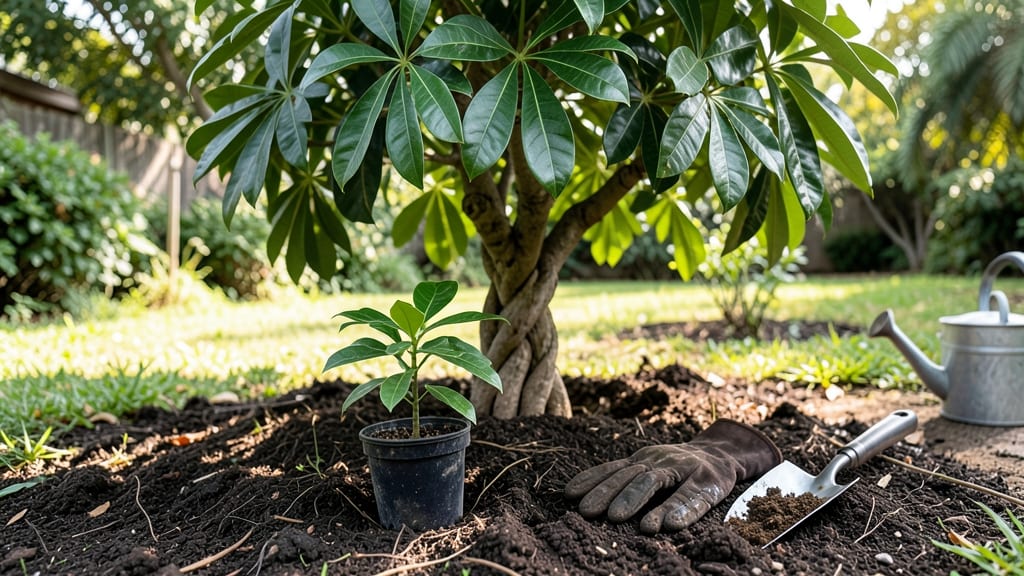
A money tree planted outside might seem risky—especially when frost threatens its lush leaves. 🌿 I’ve kept mine thriving through winters by adapting care routines, and the results are worth the effort: a bold, glossy plant that looks as good in summer as it does in spring.
The key is matching its tropical roots to your climate. Money trees (Pachira aquatica) need well-draining soil, partial shade in hot zones, and protection from freezing temps.
A thick layer of mulch and a breathable frost blanket save mine from winter damage, while regular pruning keeps the shape compact and healthy.
You’ll notice new growth by late spring, with leaves that stay deep green and vibrant all season. The plant even handles occasional outdoor pests better when its roots aren’t stressed by poor drainage or overwatering.
If winters are brutal, consider moving it indoors before the first frost—just pot it up and place it near a sunny window. The trade-off? A year-round money tree that outlasts most houseplants.
📚 In This Guide
- What you need
- Instructions
- Tips and common mistakes
- Wrapping up and next steps
What you need
- ● Frost-resistant money tree plant: Choose a mature Pachira aquatica (at least 3–5 feet tall) or a young tree from a nursery that guarantees cold hardiness (USDA Zones 10–11). Pro tip: Look for labels specifying "frost-tolerant" or "cold-hardy" varieties!
- ○ Large, well-draining planter: 1–2 containers (18–24 inches in diameter) with drainage holes. Optional: Self-watering pots for convenience.
- ● High-quality potting mix: 1 bag (2–3 cubic feet) of well-draining soil blend (e.g., 60% peat moss, 30% perlite, 10% compost). Avoid heavy clay soils!
- ● Slow-release fertilizer: 1 bag of balanced 10-10-10 or 20-20-20 fertilizer (organic options like fish emulsion work too!).
- ● Mulch: 1 bag of organic mulch (e.g., shredded bark or pine straw) to insulate roots in winter.
- ● Watering can or hose with a gentle spray nozzle: For deep but gentle hydration.
- ● Pruning shears: Sharp, sterilized shears (or small hand pruners) for shaping and frost damage cleanup.
- ● Frost cloth or burlap: 1–2 rolls (10x10 feet) to wrap the tree during light frosts (<32°F).
- ● Stakes and twine: 4–6 stakes and twine to secure the tree if winds are strong in your area.
- ● Heated plant mat: For extreme cold snaps (<20°F), place under the pot to protect roots.
- ● Grow lights or LED bulbs: If your tree gets minimal sunlight (e.g., north-facing porch), a full-spectrum LED can supplement light.
- ● Soil moisture meter: To avoid over- or under-watering during unpredictable weather.
- ● Decorative rocks or pebbles: For a polished look around the base of the planter.
- ● Tree guard or cylinder: To protect the trunk from animal nibbling or curious pets.
Step-by-step guide to planting and caring for a money tree outside
Here's how to transform your money tree into a resilient outdoor plant that thrives year-round.
🌱 Step 1: Select the Right Location and Prepare the Soil
Choose a sheltered spot with partial shade—think dappled sunlight or morning sun with afternoon shade. Money trees (Pachira aquatica) tolerate 60-75°F but need protection from below 40°F. I always plant mine near a south-facing wall or under a large tree canopy where roots stay insulated.
Amend the native soil with 3-4 inches of organic compost and a handful of perlite to improve drainage. Money trees hate soggy roots, so if your soil drains poorly, consider planting in a large container instead. Dig a hole twice as wide as the root ball but only as deep—planting too deep suffocates the roots.
☀️ Step 2: Plant and Establish the Money Tree
Gently remove the money tree from its pot and loosen any circling roots with your fingers. Place it in the hole so the top of the root ball sits level with the ground—never bury the trunk. Backfill with the amended soil, pressing lightly to eliminate air pockets while keeping the mix loose.
Water deeply right after planting to settle the soil and encourage root contact. You'll know it's right when water drains freely from the bottom of the hole (or container). Mulch with 2-3 inches of shredded bark around the base, keeping it 3 inches away from the trunk to prevent rot.
💧 Step 3: Water and Fertilize for Outdoor Success
Water once a week during the first growing season, letting the top 2 inches of soil dry out between waterings. Overwatering is the #1 killer of money trees—yellowing leaves are your first warning sign. In containers, check moisture by sticking your finger 1 inch deep; if it feels dry, water thoroughly until it runs out the drainage holes.
Feed with a balanced liquid fertilizer (10-10-10) every 4-6 weeks during spring and summer. I always dilute it to half-strength because money trees are sensitive to salt buildup. Stop fertilizing in fall and winter when growth slows. In cold climates, move potted money trees to an unheated garage or shed before temperatures drop below 50°F.
✂️ Step 4: Prune and Protect Through Seasons
Prune in late winter or early spring before new growth begins. Remove any dead or yellowing leaves by cutting back to the nearest healthy node. You can also shape the tree by trimming leggy branches—just snip just above a leaf node where new growth will emerge. Money trees respond well to pruning and often fill out beautifully.
For frost protection, wrap the trunk and branches with burlap or frost cloth if temperatures are forecasted to drop below 35°F. I've found that even a light frost can damage tender leaves, so I always cover mine the night before. In containers, move the pot to a sheltered spot or wrap it in bubble wrap for extra insulation.
🪴 Step 5: Monitor and Adjust for Long-Term Health
Watch for pests like spider mites—they love dry conditions and weak plants. I spray mine with neem oil every 2 weeks during summer as a preventative. If you see webbing or tiny dots on leaves, isolate the plant and treat immediately. Money trees are generally pest-resistant, but outdoor conditions make them vulnerable.
Every 2-3 years, repot container-grown money trees into a slightly larger pot with fresh potting mix. For in-ground plants, top-dress with 1-2 inches of compost annually in early spring. The key to long-term success is consistency—money trees reward patience with lush, vibrant growth that lasts for decades.
Tips & tricks for perfect money tree outdoor planting
Here's what nobody tells you about keeping your money tree thriving outdoors—these tricks make all the difference between a struggling plant and a lush, long-lived beauty.
Soil Depth Matters: When digging that hole twice as wide as the root ball, resist the urge to go deeper than necessary. Money trees are tropical natives that hate having their trunks buried—this suffocates the roots and can lead to rot. The top of the root ball should sit level with the surrounding soil, never below it. I've seen beginners bury the trunk by inches, which is a silent killer over time.
Mulching Technique: That 2-3 inches of shredded bark mulch isn't just decoration—it's insulation. Apply it in a donut shape around the base, keeping it 3 inches away from the trunk to prevent moisture buildup against the bark. For extra protection in winter, add a 2-inch layer of straw on top of the bark mulch. This creates a thermal blanket that helps maintain root zone temperatures above freezing during cold snaps.
Frost Protection Hacks: When temperatures drop below 35°F, don't just wrap your money tree—prepare ahead. I always have frost cloth and burlap on hand, but I also recommend placing a clear plastic bottle filled with water near the plant. As it freezes, it releases heat, creating a microclimate that protects tender leaves. For container-grown trees, move them to a sheltered spot like a garage or under an eave where cold air doesn't settle.
Watering Wisdom: The "top 2 inches dry" rule is your guide, but there's more to it. Water deeply until it runs freely from drainage holes—not just a quick drink. This encourages roots to grow deeper rather than staying shallow. In containers, I check moisture by lifting the pot—if it feels light, it's time to water. And here's the secret: water in the morning so leaves have all day to dry, preventing fungal issues that thrive in damp foliage.
Pro Tips for Money Tree Planted Outside
- Here's what nobody tells you about keeping your money tree thriving outdoors—these tricks make all the difference between a struggling plant and a lush, long-lived beauty.
- Soil Depth Matters: When digging that hole twice as wide as the root ball, resist the urge to go deeper than necessary.
- Mulching Technique: That 2-3 inches of shredded bark mulch isn't just decoration—it's insulation.
Frequently asked questions
Got questions about keeping your money tree (Pachira aquatica) thriving outside year-round? You’re not alone! Here are some of the most common concerns—and their solutions—to help you grow a lush, frost-resistant plant with confidence.
Can a money tree survive winter outside if I live in a cold climate?
A standard money tree is not frost-hardy (it thrives in USDA zones 10–12). However, you can protect it with insulation, like wrapping the pot in bubble wrap or moving it to a sheltered spot (e.g., under an eave or against a south-facing wall). For sub-freezing temps, bring it indoors temporarily—just avoid drafts!
How do I prepare my money tree for the first frost?
Start by reducing watering 2 weeks before frost (overwatering stresses roots). Wrap the pot in frost cloth or blankets and place it near a heat source (like a sunny wall). If possible, mulch the soil with straw or leaves to retain warmth. Monitor temps—if frost hits, cover the entire plant with a thick layer of fabric.
What’s the best alternative if my money tree can’t handle outdoor winters?
Consider these frost-tolerant alternatives with similar vibes:
Yellowing leaves often signal overwatering or root stress. Let the soil dry slightly between waterings, and ensure the pot has drainage holes. Brown edges? It’s likely sunburn—acclimate slowly to direct sun (start with morning light). If roots look mushy, repot in fresh, well-draining soil. Feed your money tree every 4–6 weeks during spring/summer with a balanced liquid fertilizer (10-10-10 or 20-20-20). In fall, switch to a low-nitrogen formula (like 5-10-10) to encourage root growth before winter. Stop fertilizing in late fall—let the plant rest!
All three add tropical flair and survive colder temps!
Why are my money tree’s leaves turning yellow/brown after moving it outside?
How often should I fertilize a money tree planted outside?
Wrapping up and next steps
Planting a money tree outside is a rewarding journey that blends symbolism with practical care—especially when you choose frost-resistant varieties like Pachira aquatica.
With the right location, protection from cold snaps, and consistent pruning, your tree can thrive year-round, bringing both beauty and good fortune to your outdoor space. 🌿
Now that you’re armed with the knowledge, take the next step—pick a sunny spot, gather your supplies, and give your money tree the love it deserves. Watch it grow, and let its lush leaves remind you of abundance, both in nature and life!