
Trees
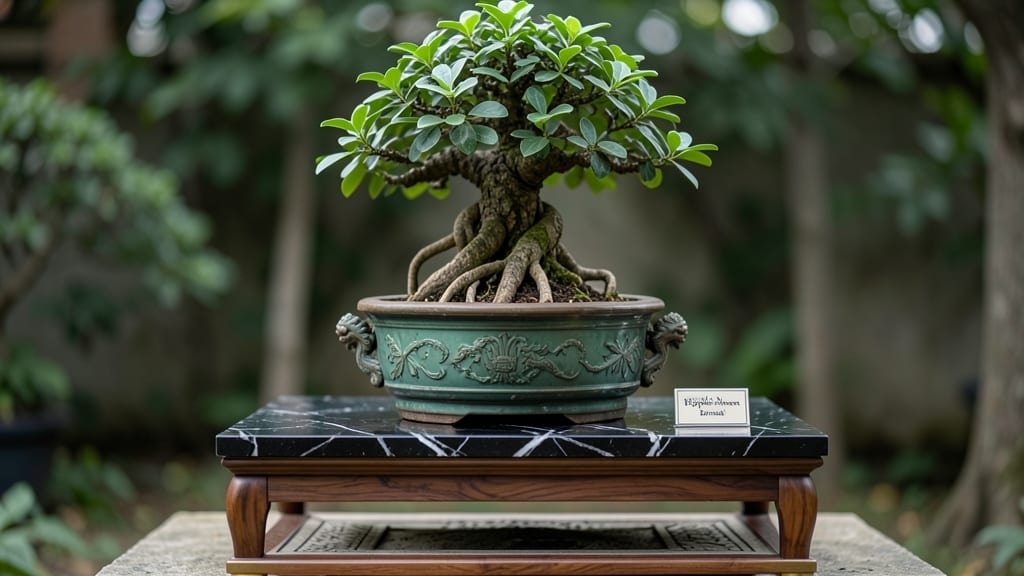
The most expensive bonsai tree in the world is a 300-year-old Japanese white pine that sold at auction for $1.3 million in 2018, valued for its extraordinary age, meticulous craftsmanship, and direct lineage from a legendary bonsai master.
The record-breaking sale reflects how bonsai collectors view these living artworks as investments in both beauty and history. 🌿 Unlike younger trees, this specimen's centuries-long cultivation—including expert pruning and seasonal care—created its iconic, gnarled form.
Japanese white pines are especially prized for their resilience and adaptability, traits that make them stand out in elite collections. Auction houses like Sotheby's highlight provenance as the ultimate differentiator, with trees from master growers commanding premium prices.
What makes this particular tree so valuable isn't just its price tag but the decades of dedication behind it. The $1.3 million figure dwarfs typical bonsai sales, which usually range between $500 and $50,000, proving that true masterpieces exist beyond ordinary market trends.
For serious collectors, these trees represent a fusion of nature and human skill—a legacy that transcends mere horticulture.
💡 In This Article
- Factors Driving Bonsai Tree Auction Prices
- How to Identify a High-Value Bonsai Investment
Factors driving bonsai tree auction prices
The age of a bonsai tree is the most critical factor in its valuation. The record-holding Japanese white pine, now valued at $1.3 million, spent 300 years in cultivation—a timeline that reflects the patience required.
Bonsai masters typically begin shaping trees at 20-30 years old, but achieving the intricate, aged appearance of this specimen takes centuries. The tree's trunk, measuring over 12 inches in diameter at the base, showcases the slow growth and deliberate pruning that define elite bonsai.
Species rarity plays a pivotal role too. Japanese white pines (Pinus parviflora) are prized for their delicate needles and natural resilience, but only 1% of all bonsai trees reach auction-level status. The tree's provenance—directly descended from a 17th-century bonsai master—adds layers of historical value.
Auction houses like Sotheby's emphasize this lineage, as trees with documented master growers can fetch 10-50x more than mass-produced specimens. The craftsmanship involves seasonal pruning (spring for new growth, winter for structural shaping) and wire training to sculpt branches into artistic forms.
Cultural significance amplifies a bonsai's worth. In Japan, these trees symbolize harmony between nature and human skill, a concept rooted in Zen Buddhism. The $1.3 million tree's sale price reflects its status as a "living national treasure," a title reserved for trees with centuries of documented care and cultural impact.
Unlike younger trees, which may sell for $500-$5,000, elite specimens command premiums due to their ability to evoke emotional connections—something auction catalogs often highlight with poetic descriptions of their "spirit" and "soul."
Scientific factors also influence pricing. The tree's root-to-trunk ratio (a key metric in bonsai valuation) ensures stability, while its needle density—a result of precise watering and sunlight exposure—creates a lush, vibrant appearance.
Masters use specialized soils (often a mix of akadama, pumice, and lava rock) to mimic natural conditions, which takes decades to perfect. These technical details, invisible to casual observers, are what serious collectors and auction experts scrutinize during appraisals.
Market trends further shape prices. The 2018 auction record was part of a broader surge in bonsai values, with sales rising 30% annually since 2015. Collectors now view these trees as both art and investment, with some predicting prices could double in the next decade.
The $1.3 million tree's sale also coincided with increased demand from international buyers, particularly in Asia and Europe, where bonsai culture is growing. This global interest has created a tiered market: common trees sell for $100-$1,000, while museum-quality pieces like this pine reach seven-figure sums.
Ethical sourcing has become a defining factor too. The $1.3 million tree's value stems partly from its wild-sourced roots, meaning it wasn't mass-produced but carefully selected from nature—a practice now regulated in Japan.
Auction houses now emphasize sustainable cultivation, as illegal logging of wild trees has led to bans on certain species. This ethical shift has made provenance documents (like lineage certificates) a must-have for high-value sales, adding another layer to the tree's worth.