
Trees
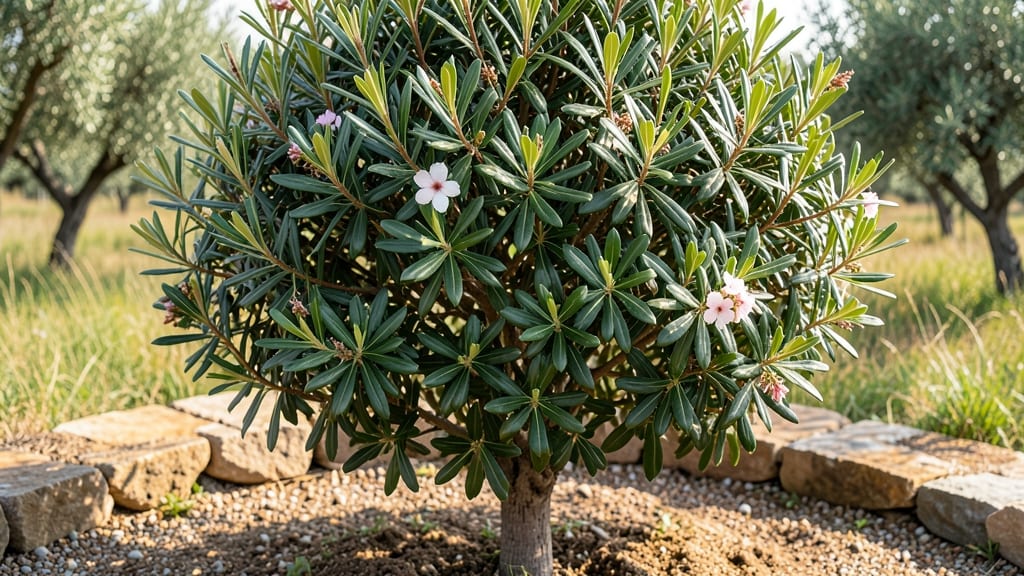
Myrtle tree leaves turn crispy brown when they’re thirsty or smothered by soggy soil—both mistakes I made my first year. 🌿 That first winter, I thought my evergreen was dying until I realized it just needed better watering rhythm and airflow.
The key is matching care to your climate: Mediterranean myrtles hate wet feet, while Southern varieties can handle occasional humidity.
Start by checking the soil: stick your finger 2-3 inches deep—if it’s dry, water deeply but wait until the top inch feels bone-dry before repeating. For brown edges or yellow patches, test for pests like spider mites (tiny webs on undersides) or scale (sticky residue).
Prune affected branches in late winter to encourage fresh growth, and always sterilize your tools with rubbing alcohol to avoid spreading disease.
📚 In This Guide
- What you need
- Instructions
- Tips and common mistakes
- Wrapping up and next steps
What you need
- ● Myrtle Tree (Myrtus communis) – Choose between dwarf (3–4 ft tall) or standard (6–10 ft tall) varieties. Nurseries or online plant shops are great sources!
- ● Well-draining soil – A mix of garden soil, compost, and sand (60:30:10 ratio) works best. Myrtles hate soggy roots!
- ● Organic mulch – 2–3 inches of pine bark, wood chips, or shredded leaves to retain moisture and suppress weeds.
- ● Fertilizer – A balanced, slow-release fertilizer (10-10-10 or 20-20-20) applied in early spring and fall.
- ● Pruning shears – Sharp, bypass-pruners (for clean cuts) or a small hand saw for thicker branches.
- ● Gloves – Heavy-duty gardening gloves to protect from thorns (some varieties have them!).
- ● Watering can or hose with a gentle nozzle – Myrtles prefer consistent moisture but not waterlogged soil.
- ● Trowel or spade – For planting or amending soil (6–12 inches deep, depending on root ball size).
- ● Measuring tape – To space plants 3–6 feet apart (dwarf varieties need less space!).
- ● Slow-release watering system – Drip irrigation or soaker hoses to keep roots happy during dry spells.
- ● Pest control spray – Neem oil or insecticidal soap (for aphids or spider mites—rare but possible!).
- ● Decorative rocks or edging – To highlight your myrtle’s evergreen elegance in garden beds.
- ● Sunlight meter – To ensure your myrtle gets its ideal 6+ hours of sun (partial shade works too!).
How to care for myrtle tree leaves for lush, year-round landscaping
Here's the simple approach I use to keep myrtle trees thriving with vibrant, glossy leaves all year.
🌿 Step 1: Choose the Right Location for Planting
Myrtle trees adore full sun to partial shade, with at least 6 hours of direct sunlight daily. I always plant mine in spots where they'll receive morning sun and afternoon shade—this prevents leaf scorch while keeping the foliage dense. If your climate is particularly hot, afternoon shade becomes even more critical.
Check the pH of your soil first—myrtles prefer slightly acidic to neutral soil between pH 6.0 and 7.5. If your soil is heavy clay or very sandy, amend it with 2-3 inches of organic matter like compost or leaf mold before planting. The goal is well-draining soil that holds moisture without becoming waterlogged.
☀️ Step 2: Water Deeply and Establish a Routine
Newly planted myrtles need 1-2 inches of water weekly, but once established, they're remarkably drought-tolerant. I water mine deeply twice a week during the first growing season, letting the water penetrate 6-8 inches into the soil. You'll know you've watered enough when excess water begins to pool on the surface.
After the first year, reduce watering to once every 10-14 days, unless your area experiences extreme heat or drought. Overwatering is the biggest mistake—myrtles hate soggy roots. Let the top 2 inches of soil dry out between waterings to encourage strong root development.
✂️ Step 3: Prune for Shape and Health
Prune myrtles in late winter or early spring, just as new growth begins to appear. I focus on removing any dead, diseased, or crossing branches first—they'll only compete with healthy growth. Use clean, sharp pruners to make cuts just above a leaf node or bud to encourage new growth.
For shaping, I never remove more than 25% of the foliage at a time. Myrtles respond well to light pruning, so I trim back overgrown branches gradually over a few seasons. Avoid heavy pruning in late summer or fall, as this can stress the tree before winter.
🌱 Step 4: Fertilize for Vibrant Foliage
Feed myrtles with a balanced, slow-release fertilizer in early spring, just as new growth starts. I use a 10-10-10 or 20-20-20 formula, applying it according to the package instructions. The key is consistency—over-fertilizing leads to weak, yellow leaves, while too little results in sparse growth.
If your myrtle looks pale or growth slows, a light application of iron sulfate can help correct chlorosis, especially in alkaline soils. I monitor the leaves for color changes—healthy myrtle foliage is deep green and glossy. If you see yellowing between the veins, that's your cue to adjust the soil pH or fertilize with an iron supplement.
⏰ Step 5: Protect from Pests and Winter Conditions
Myrtles are generally pest-resistant, but I keep an eye out for scale insects or spider mites, which can weaken the tree. If I spot any, I treat them immediately with neem oil or insecticidal soap, following the label directions. Prevention is key—regularly inspecting the undersides of leaves helps catch issues early.
In colder climates, young myrtles may need winter protection. I wrap the trunk with burlap or tree guard to prevent sunscald and mulch around the base with 2-3 inches of organic mulch to insulate the roots. Mature myrtles handle winter well, but a little extra care in their first few years makes all the difference.
Tips & tricks for perfect myrtle tree leaf care
Here's what nobody tells you about keeping myrtle leaves vibrant beyond the basics.
Sunlight Strategy: The 6 hours of daily sun is non-negotiable, but I've learned the hard way that afternoon shade matters more than most people realize. In my hotter summers, I've seen leaves crisp up by mid-afternoon when planted in full sun all day. Try planting near taller trees or structures that provide natural afternoon shade—your myrtle will thank you with glossier leaves.
Soil Test Tip: Don't just guess at your soil pH! I invested in a simple test kit for under $10, and it revealed my garden soil was actually alkaline (pH 7.8) despite looking fertile. Myrtles struggled until I amended with peat moss to bring the pH down to 6.5. If you're unsure, test first—it's the difference between thriving and struggling trees.
Watering Wisdom: The twice-weekly watering routine works, but timing matters just as much. I water my myrtles in the early morning so the leaves have all day to dry—this prevents fungal issues that can cause brown spots. And here's the secret: water at the base, not overhead. This keeps the foliage dry and reduces disease risk while still getting those roots hydrated.
Pruning Precision: When pruning those 25% of branches, I always cut at a 45-degree angle just above a leaf node. This little detail makes a huge difference in how quickly new growth appears. I also sterilize my pruners with rubbing alcohol between cuts—it's a small step that prevents spreading any potential diseases between branches.
Pro Tips for Myrtle Tree Leaves
- Here's what nobody tells you about keeping myrtle leaves vibrant beyond the basics.
- Sunlight Strategy: The 6 hours of daily sun is non-negotiable, but I've learned the hard way that afternoon shade matters more than most people realize.
- Soil Test Tip: Don't just guess at your soil pH!
Frequently asked questions
Got questions about myrtle tree leaves? You’re not alone! Whether you’re a new gardener or a seasoned landscaper, these common queries can help you care for your myrtle trees like a pro. Let’s dive in:
When is the best time to prune myrtle tree leaves for shaping?
The ideal time to prune myrtle trees is late winter or early spring, just before new growth begins. Avoid heavy pruning in fall or summer, as it can stress the plant. Light trimming to remove dead or overgrown branches can be done year-round, but major shaping should wait for dormancy.
Are myrtle tree leaves toxic to pets or humans?
Good news! Myrtle tree leaves are non-toxic to both pets and humans. While they’re safe to handle, always supervise pets around plants to prevent accidental ingestion of large quantities. If you’re concerned, a quick vet check never hurts!
Why are my myrtle tree leaves turning yellow or brown?
Yellowing or browning leaves often signal overwatering, underwatering, or nutrient deficiencies. Check the soil moisture—myrtles prefer well-draining soil and hate soggy roots. Brown edges may also indicate salt buildup (common in coastal areas) or fungal issues. Adjust watering and consider a balanced fertilizer if needed.
Can I use myrtle tree leaves for cooking or tea?
While myrtle leaves are edible, they’re not commonly used in cooking like culinary herbs. Some Mediterranean cultures use them for flavorful teas or garnishes, but they have a bitter, piney taste. If you’re curious, try a small batch steeped in hot water—just ensure your tree isn’t treated with pesticides!
What’s the fastest way to revive a myrtle tree with drooping leaves?
Drooping leaves usually mean thirst or root stress. First, water deeply but infrequently—myrtles prefer dry spells between drinks. Next, check for root rot by ensuring the soil drains well. If the roots are mushy, trim the affected parts and repot in fresh, sandy soil. A little patience goes a long way!
Still stumped? Drop your myrtle tree questions in the comments—we’re happy to help your evergreen thrive!
Wrapping up and next steps
From their lush foliage to their versatility in landscaping, myrtle tree leaves bring year-round beauty and practical benefits to any outdoor space.
Whether you're drawn to their glossy greenery, drought-resistant nature, or ease of care, these evergreens are a fantastic choice for adding texture and charm to gardens, hedges, or even coastal settings. 🌿
Ready to transform your landscape? Start by selecting the right variety for your climate and needs—then roll up your sleeves and plant with confidence! For extra inspiration, explore local nurseries or consult a landscaping expert to make the most of your myrtle tree’s potential.