
Trees
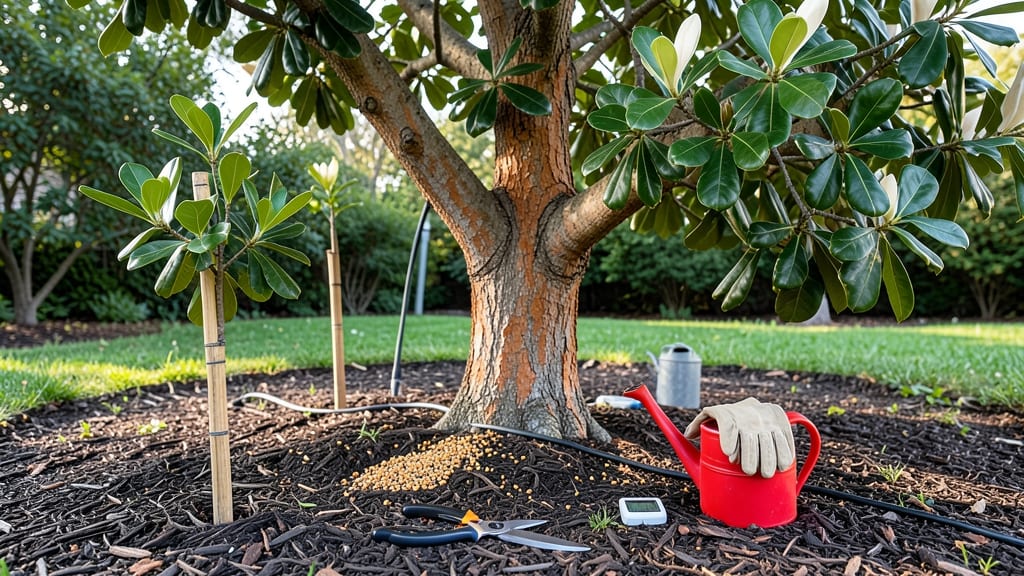
Ornamental tree care isn't just about watering—it's about creating a thriving centerpiece that steals the show year after year. 🌳 I learned the hard way that skipping pruning or ignoring pests can turn a stunning tree into a sad, scraggly shadow of its former self.
The difference between a healthy specimen and one struggling to survive often comes down to timing, technique, and a few simple secrets most gardeners overlook.
Start with the basics: watering deeply once a week during dry spells (twice if it's a heatwave), and pruning at the right time—late winter for most trees, when they're dormant but about to burst with new growth.
The soil matters too; most ornamental trees prefer well-draining, slightly acidic soil, and a 2-inch layer of mulch keeps roots happy without smothering them. Fertilizing in early spring with a balanced formula gives them the boost they need for the growing season.
Pests and diseases are the real villains, but you can outsmart them. Regular inspections for chewed leaves, sticky sap, or strange growths let you catch problems early. A neem oil spray or horticultural oil keeps most pests in check, and proper pruning removes diseased branches before they spread.
With these steps, your tree won’t just survive—it’ll flourish, with vibrant foliage, stronger branches, and blooms that turn neighbors green with envy.
This approach works for everything from Japanese maples to crape myrtles, whether you're a first-time gardener or a seasoned pro looking to refine your skills. The key is consistency—just 10 minutes a week of care keeps your tree looking its best for decades. Let’s get started!
📚 In This Guide
- What you need
- Instructions
- Tips and common mistakes
- Wrapping up and next steps
What you need
- ● Pruning tools: Bypass pruners (sharp, 10-12 inch handles) – 1 pair
- ● Loppers (24-32 inch cutting capacity) – 1 pair
- ● Pruning saw (for thick branches, 10-12 inch blade) – 1
- ○ Pole pruner (extendable 8-12 ft) – 1 (optional for tall trees)
- ● Safety gear: Work gloves (cut-resistant, breathable) – 1 pair
- ● Safety goggles – 1 pair
- ● Long sleeves/pants (for protection) – 1 set
- ● Cleaning & maintenance: Rubbing alcohol (70% isopropyl) – small bottle
- ● Pruning sealant (for large cuts) – 1 small container
- ● Disposable wipes – pack of 50+
- ○ Inspection tools: Magnifying glass (10x magnification) – 1 (optional)
- ● Flashlight (LED, rechargeable) – 1 (for evening checks)
- ● Treatment options: Neem oil (organic, 100% cold-pressed) – 16 oz spray bottle
- ● Insecticidal soap – 16 oz bottle
- ● Systemic granules (for soil application) – 1 lb bag
- ○ Hose-end sprayer (for even coverage) – 1 (optional)
- ● Know your tree species (research common pests/diseases)
- ● Check local regulations (permits for large pruning jobs)
- ● Schedule pruning for dormant season (late fall/winter) or early spring
- ● Clear a 3-5 ft radius around the tree base for safety
Step-by-Step ornamental tree care for year-round health
Here's the proven system I use to keep my prized trees thriving through every season.
🌱 Step 1: Assess Your Tree's Seasonal Needs
Start by evaluating your tree's current condition and seasonal requirements. In spring, focus on removing dead, diseased, or crossing branches that could cause future problems. I always look for new growth buds—these indicate where the tree is actively sending energy, and pruning here encourages fuller foliage.
During summer, prioritize pest inspections. Check the undersides of leaves for early signs of aphids or spider mites—tiny webs or sticky residue are your first warnings. In fall, remove any remaining leaves or fruit to prevent disease buildup over winter. Winter care is about protection: wrap young trunks with tree guard if your region gets harsh freezes below 20°F.
✂️ Step 2: Prune for Structure and Airflow
Use sharp, clean pruning shears to make cuts just outside the branch collar—the swollen area where the branch meets the trunk. This ensures proper healing. For larger branches over 1 inch thick, use three-step pruning cuts to avoid tearing the bark. First cut under the branch at a slight downward angle, then make your final cut just outside the collar.
Remove 1/3 of the tree's oldest branches to encourage new growth while maintaining airflow. Thin out the center to reduce humidity buildup, which invites fungal diseases. Step back frequently to visualize the tree's shape—you're sculpting, not just cutting. I always prune on dry, sunny days when the tree is actively growing for faster healing.
💧 Step 3: Implement Seasonal Watering Strategies
Young trees need deep watering every 7-10 days during their first two years, while established trees typically require watering only during prolonged dry spells. Check soil moisture by pushing a screwdriver 6 inches deep—if it comes out dry, it's time to water. Avoid shallow watering, which encourages weak root systems. Instead, water slowly until the soil is moist 12 inches down.
In summer, water early in the morning to reduce evaporation and fungal risks. For winter care, reduce watering but don't stop completely—trees still need moisture to survive freezing temperatures. Mulch with 2-3 inches of organic material like wood chips to retain moisture and regulate soil temperature. Keep mulch 6 inches away from the trunk to prevent rot.
🪴 Step 4: Pest-Proof Your Tree Proactively
Start with preventative measures like applying horticultural oil in early spring to smother overwintering pests. I also recommend installing tree bands coated with sticky material to trap climbing insects like bark beetles. Inspect your tree weekly during growing seasons, focusing on new growth areas where pests often strike first.
For existing infestations, use neem oil spray for soft-bodied insects or systemic granules for borers. Always follow label instructions carefully—overapplication can harm beneficial insects. If you notice sawdust-like frass or holes in the bark, act immediately. Borers can kill a tree in as little as two months if left unchecked.
☀️ Step 5: Monitor and Adjust Year-Round
Keep a simple care calendar marking seasonal tasks. Note when you pruned, fertilized, or noticed pest activity—this helps you spot patterns. For example, if you consistently see aphids after pruning, you may need to adjust your timing or use a preventative spray. Healthy trees show vibrant new leaves in spring, minimal leaf drop in fall, and firm bark without cracks or oozing sap.
Adjust your care routine based on visible signs. If leaves yellow prematurely, your tree might need iron supplements or better drainage. If branches grow too close together, plan a light pruning session during dormancy. The key is observation—your tree will tell you what it needs if you pay attention to the details. A well-cared-for ornamental tree can thrive for decades with consistent, thoughtful maintenance.
Tips & tricks for perfect ornamental tree care
Here's what nobody tells you about keeping your trees lush and healthy year after year.
Pruning Precision: When removing those 1/3 of the oldest branches in Step 2, focus on branches that are thinner than your thumb—these are the ones that won't compromise your tree's structure. I learned this the hard way after pruning too aggressively and watching my tree struggle to recover. Always make your cuts just outside the branch collar, and never leave stubs—this prevents disease entry points and encourages proper healing. The key is patience: if you're unsure about a cut, wait until next season's pruning cycle.
Seasonal Timing Matters: Spring is your best time for major pruning because the tree is entering its growth phase, but avoid pruning when buds are just starting to swell—this stresses the tree. In winter, limit pruning to damage cleanup only, as dormant trees are more vulnerable to cold stress. For summer maintenance, never remove more than 25% of the foliage at once, or you'll shock the tree. I mark my calendar with seasonal reminders to stay on track—trust me, your trees will thank you.
Pest-Proofing Strategy: The weekly inspections mentioned in Step 4 are non-negotiable, especially during spring and summer. Look for early signs like curled leaves, honeydew (sticky residue), or tiny webs—these are your first warnings. For preventative measures, I've found that applying horticultural oil in early spring (before buds break) creates a protective barrier against overwintering pests. And if you notice those telltale sawdust-like frass, act immediately—borers can destroy a tree's vascular system in just two months.
Winter Protection: That 20°F threshold for wrapping young trunks with tree guard is critical—it's the point where bark damage becomes likely. I've seen beautiful young trees lose their bark to winter sunscald, which is just as damaging as freezing. For extra protection, consider wrapping the entire trunk with tree wrap, leaving a small gap at the top to allow for natural expansion. And remember: mulch is your friend in winter too—those 2-3 inches of organic material act like a blanket, insulating roots from temperature swings.
Pro Tips for Ornamental Tree Care
- Here's what nobody tells you about keeping your trees lush and healthy year after year.
- Pruning Precision: When removing those 1/3 of the oldest branches in Step 2, focus on branches that are thinner than your thumb—these are the ones that won't compromise your tree's structure.
- Seasonal Timing Matters: Spring is your best time for major pruning because the tree is entering its growth phase, but avoid pruning when buds are just starting to swell—this stresses the tree.
Frequently asked questions
Got questions about keeping your ornamental trees lush and pest-free? You’re not alone! Here are some of the most common concerns—and straightforward answers to tackle them head-on.
When is the best time to prune ornamental trees?
The ideal time depends on your tree’s type and goals. For spring-flowering trees (like dogwoods or magnolias), prune right after blooming to avoid cutting off next year’s flowers. For summer or fall bloomers (like crape myrtles), prune in late winter or early spring before new growth starts. Always avoid heavy pruning in late summer—it stresses trees before winter.
How do I know if my tree has pests or disease?
Watch for these red flags: yellowing leaves, sticky residue (aphids), chewed edges (caterpillars), or sawdust-like frass (borers). Fungal issues often appear as black spots or powdery mildew on leaves. If you spot pests, act fast—use neem oil for soft-bodied insects or horticultural oil for overwintering pests like scale.
Should I water my ornamental tree deeply but infrequently, or lightly every day?
Deep, infrequent watering (every 1–2 weeks, depending on weather) encourages strong root growth. Light daily watering keeps roots shallow and weak. For newly planted trees, water slowly until soil is 12–18 inches deep. Mature trees need less—just enough to keep soil 2–3 inches deep moist. Pro tip: Use a soaker hose or drip irrigation to avoid wetting foliage (which invites disease).
Can I prune my ornamental tree myself, or should I hire a pro?
Small, low-risk pruning (removing dead branches or shaping) is DIY-friendly! But for large trees, structural work, or diseased limbs, call an arborist. They have the tools (like pole saws and harnesses) and expertise to avoid damaging the tree. Warning: Never remove more than 25% of the canopy in one go—it stresses the tree.
What’s a good alternative to chemical pesticides for pest control?
Try these natural, tree-friendly options:
- Neem oil: Disrupts insect life cycles (great for aphids, mites).
- Insecticidal soap: Kills soft-bodied pests like whiteflies.
- Beneficial nematodes: Targets grubs and larvae in soil.
- Birds & bats: Install a bat house or bird feeder to attract pest-eating wildlife.
- Pruning: Remove heavily infested branches before pests spread.
Wrapping up and next steps
Caring for your ornamental trees doesn’t have to be overwhelming—just consistent and intentional. By mastering pruning techniques, pest prevention, and seasonal adjustments, you’ll keep your trees thriving year-round. 🌿✨
Ready to give your trees the love they deserve? Start by scheduling your next pruning session or checking for early signs of pests. Small steps today lead to a stunning, healthy landscape tomorrow!