
Landscaping
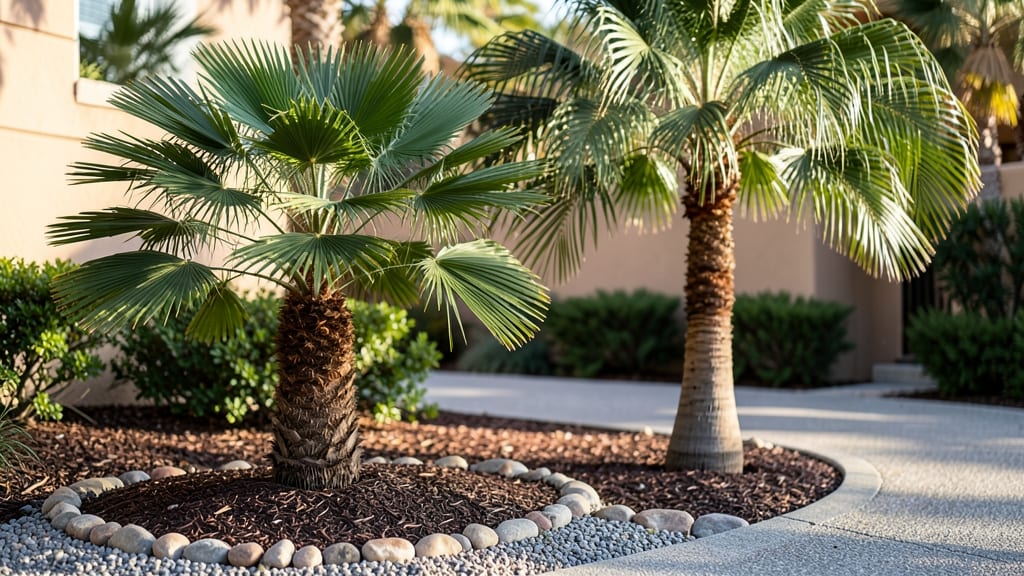
Top 5 cold-hardy palm trees for front yards (with USDA Zones)
If you love the tropical look of palm trees but live in a colder climate, don’t give up hope! These cold-hardy palm varieties can survive temperatures as low as 10°F (-12°C) and still thrive in your front yard.
The key is choosing species that evolved in temperate climates rather than tropical ones. These palms add year-round structure and dramatic curb appeal without the risk of winter damage.
Most gardeners overlook these rare gems, but they’re perfect for USDA Zones 6-10. Whether you’re in Zone 6’s harsh winters or Zone 10’s mild coastal climates, these palms deliver that luxurious tropical aesthetic while standing up to frost.
Let’s dive into the top five varieties that will transform your front yard into a resilient, evergreen oasis.
The Needle Palm is my top recommendation for Zone 6 gardeners—it’s the hardiest palm on this list and thrives in shady spots, making it perfect for woodland-style front yards.
Its spiky, blue-green fronds add texture and contrast beautifully with evergreen shrubs like boxwood or holly. Plant it near a stone path or patio edge for a striking focal point.
For a statement-making palm that still handles cold, the Windmill Palm is unbeatable. Native to China, this palm’s fan-shaped leaves resemble windmills, hence its name. In Zone 6, wrap the trunk with burlap or frost cloth during winter to protect it from sub-zero temperatures.
Place it near your front door or driveway to create an inviting entrance.
If you prefer a low-maintenance palm with a compact form, the Mediterranean Fan Palm is ideal. It’s drought-toler
How to protect your palm tree in winter (step-by-step guide)
Winter can be brutal for palm trees, especially those planted in colder climates like USDA Zone 6. Even the hardiest varieties need extra care to survive freezing temperatures below 20°F.
With the right preparation, you can protect your front yard palm tree and keep it thriving year-round. The key is acting early—before the first frost hits.
Many gardeners make the mistake of assuming their palm is tougher than it is. Cold damage often starts with brown fronds or a weakened trunk, but with proactive steps, you can prevent these issues.
Start by assessing your palm’s hardiness zone—if you’re in Zone 7 or below, winter prep is non-negotiable. Even Mediterranean Fan Palms (Zone 8) need protection when temps drop below 25°F.
Winterize Your Palm Tree in 5 Simple Steps
- 1.
- 2.
- 3.
- 4.
- 5.
Apply a 3-4 inch layer of organic mulch (like pine bark or wood chips) around the tree’s root zone. This insulates roots from freezing ground temps and retains moisture. Keep mulch 6 inches away from the trunk to avoid rot. 🌱
Use burlap or frost cloth to wrap the trunk, securing it with twine or staples. This prevents cold wind damage and reduces temperature swings. For extra protection, add a 1-inch layer of bubble wrap underneath the cloth. ✂️
Reduce watering to once every 2-3 weeks in winter. Overwatering in cold weather stresses roots and increases fungal risks. Water deeply but only when the top 2 inches of soil are dry. Avoid wet foliage before nightfall. 💧
Remove brown or dead fronds before winter using sterilized pruners. Cut fronds at the base of the trunk to prevent rot and pests. Avoid heavy pruning—only remove 20-30% of fronds to avoid shocking the tree. 🪴
If a hard freeze (<20°F) is forecasted, cover the entire tree with frost cloth or a blanket. Secure edges with rocks or stakes to prevent wind damage. Remove covers during the day if temps rise above 40°F to avoid overheating. ❄️
One of the biggest mistakes gardeners make is ignoring early signs of stress, like yellowing fronds or cracked bark. These are red flags that your palm is struggling.
Another common error is over-pruning in winter, which weakens the tree’s ability to recover. Instead, focus on protective measures like mulching and wrapping.
After winter, inspect your palm for cold damage in early spring. If fronds are blackened or mushy, trim them immediately. Apply a balanced fertilizer (6-6-6) in March or April to encourage new growth. With these steps, your front yard palm tree will bounce back stronger than ever. 🌿
Pro tip: If you’re in Zone 6 or colder, consider potted palms for easier winter storage. Move them to a garage or shed before temps drop below 30°F. This gives you full control over the environment and eliminates ground freeze risks. ☀️