
Flowers
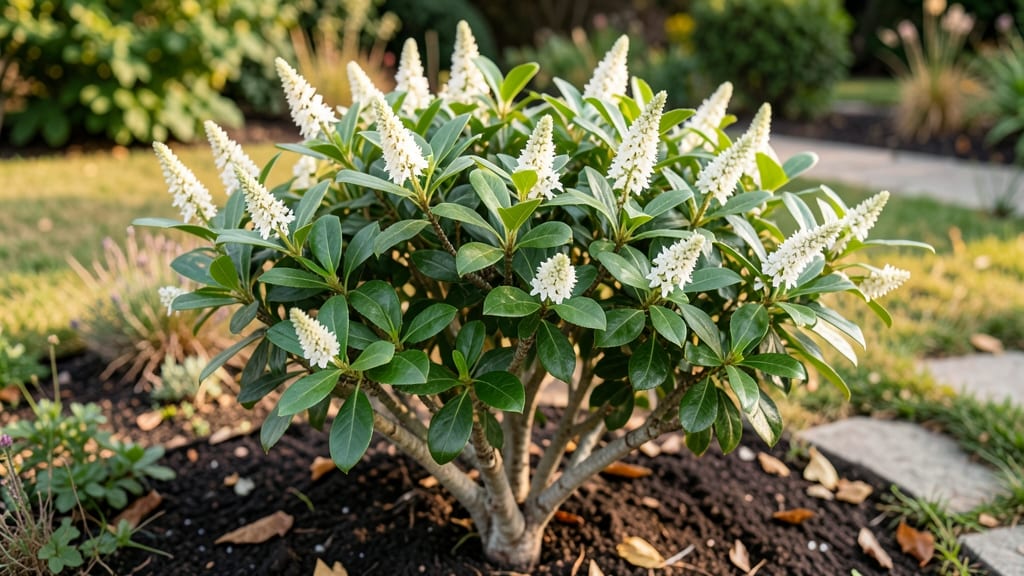
Privet trees burst into fragrant white blooms that smell like spring in a bottle. 🌸 I've grown Ligustrum for years, and those clusters of tiny flowers transform dense shrubs into fragrant privacy screens that last for weeks—even in my shady backyard corner.
The secret to better blooms? Prune after flowering and feed with balanced fertilizer in early spring. Varieties like Ligustrum japonicum (Japanese privet) produce the most abundant, sweetly scented flowers, while Ligustrum vulgare (common privet) offers hardier growth. Both attract bees and butterflies, turning your hedge into a pollinator paradise.
You'll end up with fragrant air, year-round privacy, and a hedge that looks lush from spring through fall. The flowers may be small, but their cumulative effect is stunning—like a cloud of white blossoms hovering over your property.
Works equally well as a formal hedge, informal screen, or even a single specimen. Here's how to maximize those fragrant blooms every season!
📚 In This Guide
- What you need
- Instructions
- Tips and common mistakes
- Wrapping up and next steps
What you need
- ● Privet tree plants: Choose between: Nursery-grown saplings (1–3 years old, 1–3 ft tall) – easiest for beginners
- ● Seeds (collect from ripe berries or purchase online) – slower but rewarding
- ● Hardwood cuttings (4–6 in long, ½ in thick) – for propagation
- ● Well-draining soil: Mix equal parts: Garden soil
- ● Compost (for nutrients)
- ● Sand or perlite (for drainage) – privet hates soggy roots!
- ● Fertilizer: Slow-release balanced 10-10-10 or organic compost tea (apply at planting and mid-spring).
- ● Mulch: 2–3 inches of wood chips or shredded bark (keeps moisture in and weeds out).
- ● Hand trowel or spade (for planting)
- ● Pruning shears (sharp, sterilized – for shaping and propagation)
- ● Garden gloves (to protect from thorns)
- ● Watering can or hose with nozzle (gentle watering preferred)
- ● Measuring tape or ruler (for spacing plants 6–10 ft apart)
- ○ Optional: Rooting hormone (for cuttings – boosts success rate)
- ● Drip irrigation system (for large plantings)
- ● Pest control spray (neem oil or insecticidal soap – if aphids or scale appear)
- ● Sunlight: Full sun to partial shade (6+ hours of sunlight daily for best blooms).
- ● Climate: Hardy in USDA Zones 5–9 (cold-hardy but dislikes extreme heat).
- ● Space: Minimum 6 ft wide × 8 ft tall per tree (or closer for hedges).
- ● Patience: Seeds take 2–3 years to flower; saplings bloom in 1–2 years.
Step-by-step guide to growing privet trees for fragrant flowers
Here's how to cultivate these hardy evergreens for stunning spring blooms and year-round privacy.
🌱 Step 1: Choose the Right Variety and Planting Location
Privet trees thrive in USDA Zones 5-9, so pick a variety suited to your climate—English privet (Ligustrum vulgare) for colder regions or Chinese privet (Ligustrum sinense) for warmer areas. Their fragrant white flowers appear in late spring, so plant in full sun to partial shade for best blooming performance.
Test your soil's drainage—privets hate soggy roots. Amend heavy clay with 2-3 inches of compost before planting. I always dig a hole twice as wide as the root ball but only as deep as the container it came in. This encourages roots to spread horizontally rather than settling too low.
☀️ Step 2: Plant at the Correct Time and Depth
Plant bare-root privet trees in early spring or fall, when temperatures are mild. For container-grown trees, plant anytime the ground isn't frozen. Space 4-6 feet apart for single-trunk specimens or 3-4 feet apart for hedge rows. The key is to position the top of the root ball 1-2 inches above ground level—this prevents stem rot from sitting water.
Backfill with native soil mixed with 1 part compost, then water deeply to eliminate air pockets. I like to create a 4-inch-high berm around the base to direct water toward the roots. Mulch with 2-3 inches of shredded bark, keeping it 6 inches away from the trunk to prevent moisture buildup.
💧 Step 3: Water and Fertilize for Healthy Growth
Water deeply once a week during the first growing season, ensuring the soil stays moist but not soggy. Privets are drought-tolerant once established, but young trees need consistent moisture. You'll know it's time to water when the top 2-3 inches of soil feel dry to the touch.
Apply a balanced 10-10-10 fertilizer in early spring and again after flowering. I use ½ cup per tree for small specimens and 1 cup for mature trees. Avoid high-nitrogen fertilizers—they promote leafy growth at the expense of flowers. Prune back any leggy growth in late winter to encourage bushier, more abundant blooms.
✂️ Step 4: Prune for Shape and Flowering
Prune privet hedges twice a year: lightly in late winter before new growth starts, and heavily after flowering in early summer. The goal is to maintain a rounded shape while encouraging dense foliage. Cut back one-third of the oldest stems each year to prevent overcrowding and improve airflow.
For flowering, focus on removing dead or crossing branches first. Then, trim the outer growth to shape the hedge. I always use clean, sharp pruners to make 45-degree cuts just above a leaf bud. Avoid heavy pruning in fall—it stimulates tender new growth that won't survive winter.
🌿 Step 5: Maintain for Long-Term Health and Blooms
Privets are low-maintenance once established, but annual mulching keeps roots cool and conserves moisture. Reapply 2-3 inches of mulch in early spring, pulling back any that's piled against the trunk. Watch for aphids or scale insects on new growth—spray with neem oil if you spot sticky residue on leaves.
In Zone 5, protect young trees with burlap wraps during harsh winters. Mature privets handle cold well, but their first few winters are critical. You'll see the most abundant flowers on 3-5 year old trees—be patient, and they'll reward you with highly fragrant blooms that attract pollinators.
Tips & tricks for perfect privet tree flowers
Here's what nobody tells you about growing these fragrant evergreens—tricks that'll make all the difference between average and show-stopping blooms.
Location is Everything: That full sun to partial shade recommendation isn't just about light—it's about airflow. I've seen privets in dense shade produce half the flowers because the center stays too damp. If you're planting in partial shade, make sure the northern side gets at least 4-6 hours of direct sunlight during peak growing months. This small adjustment can double your flower yield.
Root Ball Position Matters: The instructions mention positioning the root ball 1-2 inches above ground level, but here's the secret: this isn't just about preventing rot—it's about creating an air gap. I've found that adding a handful of coarse sand or small gravel around the base of the root ball helps with drainage while keeping that critical air space. This prevents soggy roots while maintaining proper aeration.
Watering Wisdom: When the instructions say to water deeply once a week, they mean DEEPLY—aim for about 1 gallon per tree for small specimens and 2-3 gallons for mature trees. The key is to soak the soil to a depth of 12 inches. I test this by inserting a long screwdriver; if it comes out dry at that depth, it's time to water again. This prevents shallow root systems that can't support abundant flowering.
Pruning for Perfume: The twice-a-year pruning schedule is perfect, but here's what I do differently: after the heavy summer prune, I make a point to cut back any shoots that appear directly above the pruning cuts. These "water sprouts" look like little whips and can steal energy from flower production. Removing them immediately after the main prune gives your tree more resources for those fragrant blooms.
Pro Tips for Privet Tree Flowers
- Here's what nobody tells you about growing these fragrant evergreens—tricks that'll make all the difference between average and show-stopping blooms.
- Location is Everything: That full sun to partial shade recommendation isn't just about light—it's about airflow.
- Root Ball Position Matters: The instructions mention positioning the root ball 1-2 inches above ground level, but here's the secret: this isn't just about preventing rot—it's about creating an air gap.
Frequently asked questions
When do privet tree flowers bloom, and how long do they last?
Privet trees typically bloom in late spring to early summer (May–June in most regions). Their small, fragrant flowers last 2–3 weeks, but the tree’s glossy foliage provides year-round interest. For extended blooms, choose Ligustrum sinense or Ligustrum vulgare varieties, which may rebloom lightly in fall with proper care.
Are privet flowers toxic to pets or humans?
Yes, privet flowers (and all parts of the tree) contain ligustrine, a compound toxic to pets like dogs and cats if ingested. Symptoms include vomiting, diarrhea, or lethargy. While not deadly in small amounts, keep pets away from fallen blooms or pruned branches. Humans rarely react, but sensitive skin may irritate from sap.
How fast do privet trees grow, and when can I expect flowers?
Privet trees grow 1–2 feet per year, reaching maturity (and flowering) in 3–5 years with full sun and well-drained soil. Dwarf varieties (like Ligustrum ibota) may flower sooner (2–3 years). Prune lightly in late winter to encourage bushier growth and more abundant blooms the following spring.
Can I grow privet flowers in containers, or do they need garden space?
Privet trees thrive in containers for 2–3 years if planted in a 5-gallon pot with drainage holes and fast-draining soil. Choose dwarf varieties (under 6 feet tall) for patios. Repot every 2–3 years and move indoors in winter if temperatures drop below 15°F. For long-term growth, transplant to garden beds after establishing roots.
Do privet flowers attract bees or butterflies?
Privet flowers are a magnet for pollinators, including bees, butterflies, and hummingbirds. Their nectar-rich blooms support local ecosystems, especially in urban areas. Plant near pollinator-friendly gardens to create a biodiversity hub. Just ensure your pets avoid nibbling fallen petals—some insects may linger on the ground!
Wrapping up and next steps
Growing privet tree flowers is a rewarding way to add beauty, fragrance, and year-round privacy to your landscape—without the fuss! 🌿 From selecting the right variety to nurturing those delicate blooms, every step brings you closer to a lush, fragrant evergreen haven.
Whether you’re a seasoned gardener or just starting out, the key is patience and a little love.
Ready to transform your space? Start small—plant a single privet tree today and watch it grow into a stunning focal point. Need inspiration? Browse local nurseries for Ligustrum varieties or explore companion plants to enhance your garden’s charm. Happy gardening! 🌸