
Pruning
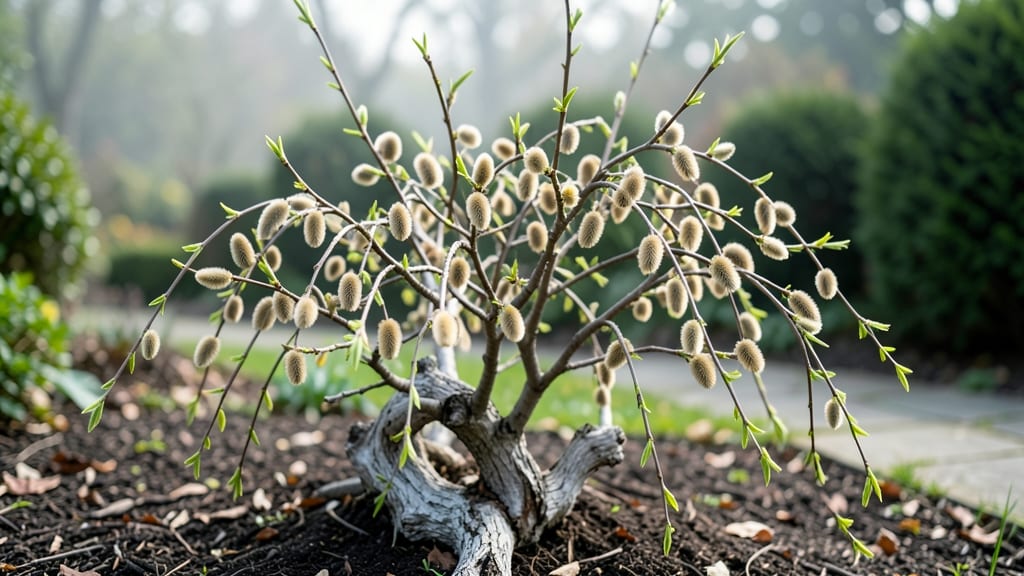
The pussy willow tree care secret starts with pruning—timing matters more than you think. ✂️ I’ve watched these fuzzy catkins transform from bare branches to lush, velvety clouds, and the difference between a scraggly shrub and a showstopper comes down to when and how you cut.
The right approach keeps your willow bushy, healthy, and full of those iconic spring blooms year after year.
Willows thrive in moist soil and full sun, but they’re surprisingly low-maintenance once established. Prune in late winter or early spring (before new growth starts) to shape the tree and encourage dense branching. Avoid heavy pruning in fall—it stresses the plant before winter.
For best results, remove no more than one-third of the branches at a time, focusing on dead, crossing, or overcrowded stems. The goal? A balanced shape that lets sunlight reach all those fuzzy catkins.
What you’ll end up with is a tree that looks like a living cloud in spring, with glossy green leaves by summer. Pruned correctly, pussy willows grow 6–12 feet tall and wide, making them perfect for borders, wetland gardens, or as a statement piece near water.
The key is consistency—just 10–15 minutes every year keeps them looking their best without the guesswork.
Even experienced gardeners mess up here: pruning too late, cutting into old wood, or ignoring water needs. But once you get the rhythm right, your willow will reward you with years of effortless beauty. Ready to turn that bare winter branch into a spring masterpiece? Let’s get to it.
📚 In This Guide
- What you need
- Instructions
- Tips and common mistakes
- Wrapping up and next steps
What you need
- ● Pruning shears: Bypass pruners (for branches ½ inch thick)
- ● Loppers: For branches ½ to 1½ inches thick (look for bypass or anvil types)
- ● Pruning saw: For thicker branches (1½+ inches), with a curved or straight blade
- ● Gloves: Heavy-duty, cut-resistant (e.g., mechanized or chainmail)
- ● Disinfectant: 70% isopropyl alcohol or rubbing alcohol to sterilize tools
- ● Rag or paper towels: For cleaning tools between cuts
- ○ Pruning sealant (optional): Tree wound paint (controversial but useful for large cuts)
- ● Ladder or step stool: If your willow is taller than 6 feet
- ● Heavy-duty trash bags: For collecting pruned branches
- ● Safety gear: Safety glasses and long sleeves (willows can have sharp thorns!)
- ● Weather check: Prune on a dry, calm day (avoid windy or rainy conditions)
- ● Knowledge of willow types: Pussy willows (Salix discolor) vs. other willows (e.g., weeping willow)
- ● Timing: Late winter/early spring (just before buds swell) for best results
Step-by-step pruning guide for bushy pussy willow growth
Transform your pussy willow into a lush, full specimen with these seasonal pruning secrets.
✂️ Step 1: Prune for Shape in Late Winter (Before Bud Break)
This is the most critical time to shape your pussy willow. Grab your pruners and remove any dead, crossing, or weak branches first—these compete with healthy growth. I like to start with the outermost branches that are growing inward, as these create dense foliage when removed. Cut just above a bud facing outward to encourage bushier growth.
Look for branches that are growing straight up or away from the center—they’ll create a more natural, rounded shape. Remember, pussy willows respond well to pruning, so don’t be shy about making bold cuts. The goal is to open up the center so light and air can reach all branches, which prevents disease and encourages new growth.
☀️ Step 2: Light Pruning in Early Spring (After New Growth Starts)
Once you see fresh green shoots emerging—usually in late March or early April—it’s time for a lighter touch. Focus on trimming back any overly long or leggy branches that grew during the previous season. Cut just above a leaf node or bud to redirect energy into a denser structure.
This is also the time to remove any suckers—those small shoots growing at the base of the tree. They sap energy from your main plant. I use sharp pruners to make clean cuts at the base, ensuring no stubs remain. A little blood when you first start is normal—just means you’re cutting through live tissue.
✂️ Step 3: Summer Maintenance (Mid-June to Mid-July)
During the growing season, keep an eye out for branches that are growing too close together or rubbing against each other. These will eventually create wounds that invite pests and disease. Snip them off at the base while they’re still small—you’ll thank yourself later when your tree stays healthy.
If your pussy willow looks a little unruly, give it a quick shape-up by trimming back any branches that are growing in awkward directions. The key here is to maintain balance—never remove more than 25% of the foliage in one session. You’ll see immediate results as new shoots fill in the gaps within a few weeks.
🪴 Step 4: Fall Cleanup (After Leaf Drop)
Once the leaves have fallen—typically in October or November—do a final pruning pass to remove any dead, diseased, or damaged branches. This keeps your tree looking tidy and prevents pests from overwintering in decaying wood. I also like to thin out any branches that are growing too densely, as this improves airflow and reduces the risk of fungal issues.
Don’t worry about shaping at this stage—just focus on cleanup. You’ll notice how much easier it is to see the tree’s structure without leaves in the way. A little mulch around the base now will protect the roots over winter, and your pussy willow will reward you with vigorous new growth come spring.
Tips & tricks for perfect pussy willow pruning
Your pussy willow's bushy transformation starts with these game-changing pruning secrets!
Timing Secret: Late winter pruning (before bud break) is your golden window—this is when your tree is dormant and can handle bold cuts without stress. I've learned the hard way that pruning too early (when it's still freezing) or too late (when buds swell) can shock the tree. Aim for that crisp, dry period when temperatures consistently stay above freezing but before you see any green emerging. This timing ensures your cuts heal properly and new growth emerges strong and healthy.
Cutting Technique: The angle of your cut matters more than you might think! Always cut just above a bud facing outward—this directs growth away from the center, creating that lush, rounded shape we all want. I use a sharp pair of pruners and make clean cuts at a 45-degree angle about 1/4 inch above the bud. This prevents water from pooling on the cut and reduces the risk of disease. If you're unsure which way the bud is facing, just remember: "Out with the old, in with the new"—cut away from the branch you're removing.
Seasonal Maintenance: Summer isn't just about trimming—it's about prevention. During mid-June to mid-July, I make it a habit to check for branches rubbing together or growing too closely. These small cuts now prevent major problems later, like bark damage or disease entry points. And remember the 25% rule: never remove more than a quarter of the foliage in one session. Your tree will thank you with vigorous new growth that fills in beautifully within weeks.
Equipment Essentials: Don't settle for dull pruners—they tear branches instead of making clean cuts. I invest in high-quality, sharp pruners and clean them with rubbing alcohol between cuts to prevent spreading disease. For thicker branches, I use loppers for precision. And always wear gloves—those thorns have a way of reminding you why we wear protection! A small brush and bucket for collecting debris also make cleanup a breeze after each session.
Pro Tips for Pussy Willow Tree Care
- Your pussy willow's bushy transformation starts with these game-changing pruning secrets!
- Timing Secret: Late winter pruning (before bud break) is your golden window—this is when your tree is dormant and can handle bold cuts without stress.
- Cutting Technique: The angle of your cut matters more than you might think!
Frequently asked questions
Got questions about keeping your pussy willow tree lush and thriving?
Here are answers to the most common queries—from pruning timing to troubleshooting—so you can master care like a pro.
When is the best time to prune a pussy willow tree?
Prune your pussy willow late winter or early spring (before buds swell) to encourage dense, fuzzy growth. Avoid heavy pruning in fall—it can stimulate tender new growth that won’t survive frost. Light shaping in summer is fine, but focus on major cuts in dormant seasons.
How much can I trim back my pussy willow without harming it?
You can safely remove up to 1/3 of the tree’s branches in a single season, but avoid cutting more than 20% of the canopy annually. Pussy willows are resilient and regenerate quickly, but never remove more than 50% at once—this stresses the tree. Target dead, crossing, or overcrowded branches first.
Why aren’t my pussy willow branches growing fuzzy like they used to?
Fuzzy catkins (the iconic "pussy willow" fluff) thrive on young, healthy growth. If yours are sparse, check for:
- Over-pruning: Too many hard cuts reduce fluffy regrowth.
- Poor nutrition: Amend soil with compost or use a balanced fertilizer in early spring.
- Age: Older branches produce fewer catkins—focus on pruning to encourage new shoots.
Can I grow a pussy willow in a container, or does it need to be planted in the ground?
Pussy willows can grow in containers, but they’re not ideal long-term. Choose a large pot (at least 20 gallons) with drainage and use well-draining soil. Repot every 2–3 years and overwinter indoors if temps drop below 10°F (-12°C). For bushier growth, plant in the ground—they thrive in moist, well-drained soil with full sun to partial shade.
What should I do if my pussy willow tree has yellow leaves or brown tips?
Yellow leaves often signal overwatering or poor drainage, while brown tips may mean underwatering or drought stress. Check soil moisture—pussy willows love consistently moist (not soggy) soil. Brown edges can also hint at salt buildup (flush soil with water) or nutrient deficiency (test soil and amend as needed). Prune affected branches to redirect energy to healthy growth.
Are there alternatives to pussy willow for fuzzy catkins?
If you love the look but want options, try:
- Pussy willow hybrids: ‘Golden Fleece’ or ‘Nana’ (dwarf variety) for smaller spaces.
- Meadow willow (Salix discolor): Similar fuzzy catkins, slightly hardier.
- Pussy willow shrubs: ‘Weeping Pussy Willow’ (Salix caprea ‘Pendula’) for a trailing effect.
Wrapping up and next steps
Caring for your pussy willow tree is all about patience and precision—whether you're shaping it for spring blooms or maintaining its health year-round. 🌿 With the right tools, timing, and techniques, you’ll enjoy lush, vibrant growth and those iconic fuzzy catkins for seasons to come.
Now that you’re armed with expert tips, grab those pruners and get pruning!
Ready to take it further? Bookmark this guide and check back next month for advanced pruning hacks or explore how to propagate your willow cuttings for even more greenery in your garden. Happy gardening! 🌱