
Pruning
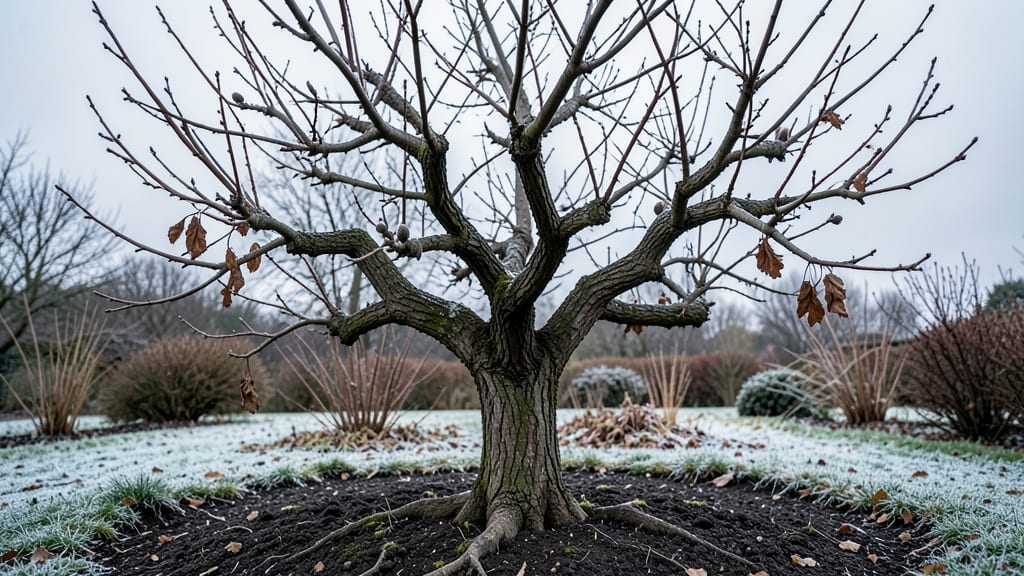
Winter is when your quince tree does its most important work—resting—but that doesn’t mean you can ignore it. ✨ Proper winter care ensures your tree bursts into bloom come spring, and with the right steps, you’ll protect it from harsh cold while setting the stage for next year’s fruit bounty.
The key is timing: prune at the right moment, wrap vulnerable trunks, and understand how dormancy works in your climate.
Start by pruning in late winter, just as buds begin to swell but before new growth starts. This removes dead wood and opens the canopy to sunlight, which is critical for fruit production.
For colder climates, choose cold-hardy varieties like ‘Meeches’ or ‘Champion’—they handle frost better and reward you with sweeter fruit. Wrap the trunk with tree wrap or burlap to prevent sunscald, a common winter injury that weakens trees.
Your quince tree will thank you when spring arrives with vibrant new growth and a heavier fruit load. The fruit itself is hardy and often ripens in late fall, so don’t worry about winter harvests—focus instead on keeping the tree healthy.
Mulch around the base to insulate roots, and avoid overwatering, which can lead to rot in cold, soggy soil.
This routine works for quince trees in containers too—just move them to a sheltered spot before frost. Whether you’re in a snowy zone or a mild winter region, these steps keep your tree thriving year-round. Spring will come faster than you think, and you’ll be ready.
📚 In This Guide
- What you need
- Instructions
- Tips and common mistakes
- Wrapping up and next steps
What you need
- ● Pruning shears: Sharp, bypass-style shears (for clean cuts) or loppers (for thicker branches). Size: 6–8" blades for precision.
- ● Hand pruners: For smaller branches (avoid dull blades—they crush wood).
- ● Pruning saw: Curved-tooth saw for branches thicker than 2" in diameter.
- ● Disinfectant: 70% isopropyl alcohol or bleach solution (1 part bleach to 9 parts water) to sterilize tools between cuts.
- ● Gloves: Heavy-duty, cut-resistant gloves (thorns are no joke!).
- ● Rubbing alcohol or hydrogen peroxide: For cleaning wounds on the tree (3% solution).
- ○ Pruning sealant: Optional but helpful for large cuts (e.g., Tanglefoot Tree Wound Pruning Seal).
- ● Burlap or frost cloth: Breathable fabric to wrap young trees or sensitive branches (avoid plastic—it traps moisture). Size: Enough to cover the entire canopy.
- ● Tree guards: Spiral wraps or plastic tree tubes to protect trunks from rodent damage.
- ● Mulch: Organic mulch (straw, wood chips, or shredded leaves) – 3–4 inches deep, keeping it 6 inches away from the trunk.
- ● Watering can or hose: For deep watering if winter is dry (quince trees need moisture even in cold months!).
- ● Weather check: Prune on a dry, frost-free day (ideal temps: 40–60°F).
- ● Tree health assessment: Inspect for diseased or dead branches (they’ll stand out as brown, brittle, or oozing sap).
- ● Safety gear: Safety glasses (in case of falling debris) and closed-toe shoes.
- ● Clean workspace: Lay down tarps or old sheets to catch debris and make cleanup easier.
- ● Tree growth regulator: Dormant oil spray (e.g., Neem oil) to deter pests like scale insects.
- ● Soil tester kit: Check pH levels (ideal range for quince: 6.0–7.0) and amend soil if needed.
- ● Camera or notebook: Document your pruning cuts to track growth over time.
- ● Hot cocoa or thermos: For you—winter pruning is a marathon, not a sprint! ☕
Step-by-step guide to winterizing your quince tree
Here’s how I keep my quince tree thriving through cold months—so it bursts with fruit next season.
🪴 Step 1: Apply a Thick Mulch Layer
Spread 4-6 inches of organic mulch—like wood chips or straw—around the tree’s base, keeping it 6 inches away from the trunk. This insulates roots from freezing temperatures while retaining moisture. I use the mulch I have on hand, but avoid fresh wood chips, which can draw moisture away.
Mulch acts like a winter blanket, protecting roots from sudden temperature swings. You’ll know it’s working when the soil stays consistently cool (around 40-50°F) even during freezes. Replenish mulch if it breaks down or washes away during winter rains.
✂️ Step 2: Prune for Airflow and Shape
Prune dormant branches in late winter (just before buds swell) to remove dead, crossing, or weak growth. Use clean, sharp pruners to make cuts at a 45-degree angle just above a bud. I aim to keep the tree’s shape open—this prevents snow buildup and improves airflow, reducing disease risk.
Never prune more than 25% of the tree’s canopy in one season. You’ll see healthier buds next spring if you avoid heavy cuts. If your quince has suckers (shoots at the base), trim them back immediately—they drain energy from the main tree.
☀️ Step 3: Protect Young Trees from Cold
For quince trees under 3 years old, wrap the trunk with burlap or tree guard to shield it from winter sunscald (bark damage from temperature swings). Secure the wrap loosely—too tight, and it’ll restrict growth. I also mound extra soil around the base (about 6 inches high) to add insulation.
Watch for cracked bark in early spring—a sign of sunscald. Mature trees handle cold better, but young quince need this extra care. If your area gets below 0°F, consider a tree blanket for added protection during extreme cold snaps.
💧 Step 4: Water Sparingly Before Freeze
Give the tree a deep watering in late fall (before the ground freezes) to replenish soil moisture. Aim for 1-2 inches of water spread over the root zone. This helps roots survive dry winter soil. After that, stop watering entirely until spring—wet soil freezes harder and can damage roots.
Check soil moisture in early spring (when temps rise above 40°F). If the top 6 inches feel dry, it’s time to water again. Overwatering in winter is a common mistake—quince trees are dormant and don’t need moisture then.
🌱 Step 5: Monitor for Pests and Disease
Inspect the tree in late winter for signs of scale insects or cankers (sunken, dead spots on bark). Scrub off scale with a soft brush and prune out cankers. I also spray dormant oil (if using) to smother overwintering pests. Quince trees are tough, but prevention keeps them healthier.
Look for mold or fungal growth under mulch—this signals too much moisture. If you see it, fluff the mulch or add a thin layer of gravel to improve drainage. Healthy winter care means fewer pests and diseases when buds break in spring.
Tips & tricks for perfect quince tree winter care
Winterizing your quince tree isn't just about survival—it's about setting the stage for next year's harvest. Here's what I've learned after years of trial and error.
Mulch Depth Matters: When applying that 4-6 inch layer of mulch, focus on creating a consistent depth across the entire root zone. I've found that using a straight-edged board helps me maintain even coverage. The key is to avoid piling mulch directly against the trunk—keep it 6 inches away to prevent rot and pest issues. For extra insulation in colder climates, consider adding a second layer of straw on top of your wood chips after the first hard freeze.
Pruning Precision: That 25% canopy rule is critical, but timing matters just as much. I always prune just before buds begin to swell in late winter—this gives the tree time to heal before spring growth begins. For stubborn branches, I make my cuts slightly above a bud that faces outward to encourage healthy growth. Remember, every cut you make now determines the shape and productivity of your tree next season.
Young Tree Protection: For those first three years, your quince tree's trunk is especially vulnerable. I've seen too many young trees suffer from winter sunscald, so I double up on protection when temperatures drop below 0°F. Beyond the burlap wrap, I add a layer of bubble wrap around the trunk for that extra insulation. The soil mound you create should be firm but not compacted—think of it as a protective barrier against temperature swings.
Winter Watering Wisdom: That deep watering in late fall is your last chance to prepare the roots for dormancy. I use a soil probe to check moisture levels—if it comes out dry at 6 inches down, I know I need to water again. The key is to stop completely once the ground freezes, as frozen soil can actually damage roots. In my experience, a well-watered tree in fall translates to a stronger tree come spring.
Pro Tips for Quince Tree In Winter
- Winterizing your quince tree isn't just about survival—it's about setting the stage for next year's harvest.
- Mulch Depth Matters: When applying that 4-6 inch layer of mulch, focus on creating a consistent depth across the entire root zone.
- Pruning Precision: That 25% canopy rule is critical, but timing matters just as much.
Frequently asked questions
Got questions about keeping your quince tree thriving through winter? You’re not alone! Here are answers to the most common concerns—from pruning to protection and everything in between.
When is the best time to prune a quince tree in winter?
Prune your quince tree late winter (just before buds swell, typically February–March in most climates). This timing avoids stressing the tree and encourages strong spring growth. Avoid heavy pruning in extreme cold—focus on shaping and removing dead wood instead. Learn more about proper cuts and tools!
How do I protect my quince tree from winter frost or snow damage?
Quince trees are hardy but benefit from extra care in harsh winters. Wrap the trunk with tree guard or burlap to prevent sunscald, and gently brush off heavy snow to avoid branch breakage. Mulch the base with 3–4 inches of organic matter (like straw or wood chips) to insulate roots. Avoid heaping mulch against the trunk!
Will my quince tree still produce fruit if I prune it in winter?
Winter pruning enhances fruit production by improving airflow and sunlight exposure. Just avoid over-pruning—remove no more than 25–30% of the canopy per year. Focus on opening the center and thinning out crowded branches. Patience pays off with juicier, sweeter quinces!
What if my quince tree’s leaves stay on all winter? Is that normal?
Not always! If leaves persist, it could signal disease, poor drainage, or late-season stress. Check for pests (like scale) and ensure the tree isn’t waterlogged. If the tree is otherwise healthy, evergreen-like leaves in mild winters are harmless. For tougher winters, prune affected branches in early spring.
Can I grow quince in containers during winter?
Yes, but it’s tricky! Quince trees thrive in the ground, but if you must container-grow, use a large pot (20+ gallons) with drainage holes and move it to a sheltered spot (like a garage or against a south-facing wall). Insulate the pot with bubble wrap or straw and reduce watering—overwatering in cold soil can suffocate roots.
What should I do if my quince tree’s branches look dead after winter?
Test for liveliness by scraping the bark—if green underneath, the branch is alive! Prune dead wood just above a bud or lateral branch using clean, sharp shears. If >50% of the tree is dead, it may need rejuvenation pruning. Apply a balanced fertilizer in early spring to encourage recovery.
Wrapping up and next steps
Winter is the perfect time to set your quince tree up for a fruitful spring—and you’ve got all the tools to make it thrive! 🌱 From pruning with precision to protecting against frost, your proactive care ensures a bountiful harvest next season. Now’s your chance to shine as a quince-growing pro!
Ready to take the next step? Start by scheduling your first winter pruning session—grab your tools, put on your gardening gloves, and give your tree the love it deserves. Your future harvests will thank you! 🍊✨