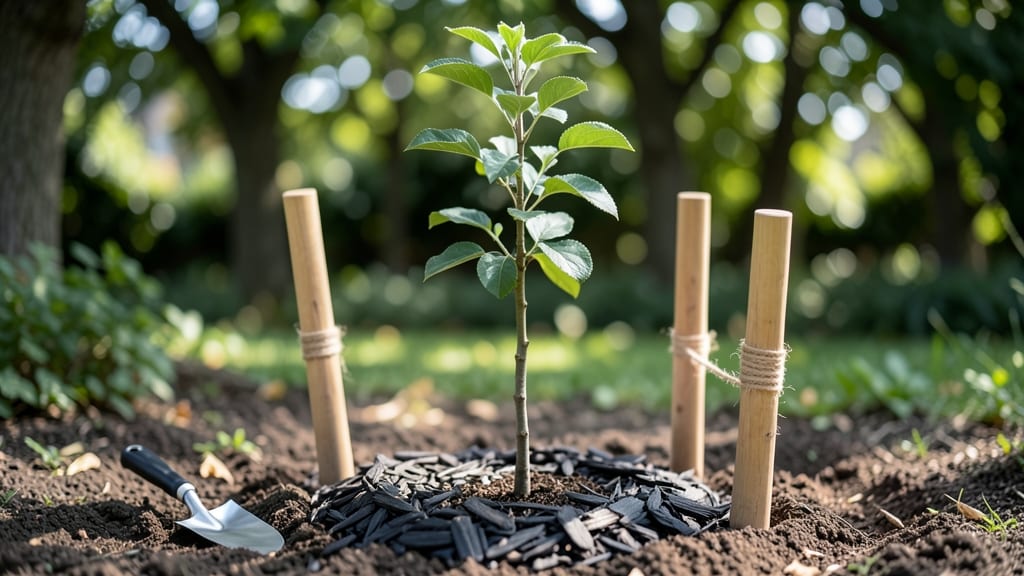
Buying guide: how to choose the right round tree stakes
1. Material and Durability 🛡️
The material of your round tree stakes directly impacts their longevity, eco-friendliness, and suitability for your garden. Galvanized steel stakes are the most durable, offering rust resistance and long-term support for heavy plants like fruit trees or tall perennials. They’re a mid-range investment but pay off in performance.
For an eco-friendly alternative, bamboo stakes are biodegradable and lightweight, perfect for seasonal plants like tomatoes or annuals. However, they may not withstand harsh weather as well as metal. Plastic stakes are the most budget-friendly and easiest to cut, but they can degrade under prolonged sun exposure.
If you’re supporting delicate or young plants, plastic stakes offer a low-cost, temporary solution. Counter-intuitively, I’ve found that coated metal stakes often outlast plastic in wet climates, even if they cost slightly more upfront.
2. Diameter and Height ⚡
The thickness and height of your stakes determine how well they can support your plants. For heavy or top-heavy plants like sunflowers, fruit trees, or tall perennials, opt for stakes with a 12-inch or larger diameter.
These provide the maximum stability and prevent bending in windy conditions. Smaller stakes (6-8 inches) are ideal for lightweight annuals, seedlings, or vining plants like cucumbers or beans. If you’re dealing with wind-prone areas, prioritize thicker stakes or consider spiral designs that allow for adjustable height.
Pro tip: For young trees or saplings, bury the stake one-third of its length into the ground to ensure it doesn’t topple. I recommend galvanized steel stakes with a 12-inch diameter for the best balance of strength and versatility.
3. Pack Quantity and Bulk Use 💰
Buying in bulk can save you money, but the right quantity depends on your garden’s needs. Bulk packs (10+ stakes) are ideal for large gardens, orchards, or seasonal planting, offering cost-effective coverage.
If you’re a casual gardener or only need support for a few plants, smaller packs (6-8 stakes) are more practical and reduce waste. For trial planting or rotating crops, a 6-pack of plastic stakes is a budget-friendly way to test different plants without overcommitting.
I’ve noticed that bamboo stakes in 10-packs strike the best balance for most home gardeners—they’re affordable, eco-friendly, and sufficient for most seasonal needs. Just avoid overbuying if you only have a few plants to support.
4. Ease of Installation and Plant Safety ✅
No matter how sturdy your stakes are, ease of installation and plant safety are critical. Look for stakes with rounded edges to prevent stem damage during setup. Spiral or adjustable-height stakes simplify the process, especially if your plants grow at different rates.
For delicate stems, I recommend using soft plant ties or jute twine to secure vines without cutting into the bark. Avoid stakes with sharp edges or rough surfaces, as they can abrade young plants over time.
If you’re working with heavy or awkward stakes, consider pre-drilling holes or using a mallet for easier placement. A little extra care during installation ensures your plants grow straight and healthy without unnecessary stress.
5. Climate and Weather Resistance 🌧️
Your local climate plays a huge role in stake performance. In humid or rainy regions, galvanized or coated metal stakes resist rust better than bamboo or untreated wood. For dry, sunny climates, UV-resistant plastic stakes won’t degrade as quickly as bamboo or standard plastic.
If you live in an area with strong winds, prioritize thicker, heavier stakes (12+ inches) to prevent toppling. I’ve found that spiral stakes work well in windy conditions because they adjust to plant growth without becoming loose.
For snow-prone areas, avoid bamboo, as it can absorb moisture and weaken. Instead, opt for durable metal or thick plastic stakes that won’t warp or crack under ice.
Frequently asked questions
Q: What are round tree stakes best used for in gardening?
1
Round tree stakes
are ideal for supporting tall or top-heavy plants like sunflowers, young fruit trees, tomatoes, and perennials. Their rounded design prevents damage to delicate stems while providing stability against wind or heavy growth. I recommend using them for plants that need vertical support—especially in windy climates or when training vines along trellises. They’re also great for young saplings that require guidance to grow straight without bending.
Q: Can I use round tree stakes for heavy plants like fruit trees, or are they only for lightweight annuals?
While budget-friendly plastic or bamboo stakes work well for lightweight annuals, heavy-duty galvanized steel stakes (like our top pick) are perfect for fruit trees, tall perennials, or even young orchard trees. Look for stakes with a 12-inch or larger diameter—these provide the maximum stability for heavy loads. For extra security, bury the stake one-third of its length into the ground and use soft plant ties to secure the trunk without restricting growth. If you’re supporting a single large tree, a premium spiral stake is the best investment for long-term durability.
Q: How do I prevent rust or degradation in metal round tree stakes over time?
To maximize the lifespan of metal round tree stakes, opt for galvanized or coated steel options, which resist rust far better than untreated metal. If you’re in a humid or rainy climate, avoid leaving stakes exposed to moisture for extended periods. After use, store them in a dry place or apply a light coat of rust-inhibiting spray if they’ll be reused. For long-term support, I recommend spiral or adjustable-height stakes—their design allows you to tighten or loosen ties as the plant grows, reducing strain on the stake itself. If you notice early rust, sand it off and reapply a protective coating to extend their life.
Q: What’s the difference between round tree stakes and traditional flat or square stakes?
The key difference lies in stability, plant safety, and aesthetics. Round tree stakes distribute pressure evenly, reducing the risk of stem damage compared to sharp-edged flat stakes. They’re also more visually appealing in garden designs, blending seamlessly with natural landscapes. Flat or square stakes, on the other hand, are often cheaper and easier to hammer into the ground but can cut into stems if not secured properly. For delicate plants like roses or young trees, round stakes are the safer choice. If you’re on a tight budget, flat stakes work for temporary support, but round stakes offer long-term benefits for both plant health and garden aesthetics.
Q: Are bamboo round tree stakes really eco-friendly, or do they have hidden downsides?
Bamboo stakes are 100% biodegradable and renewable, making them one of the most eco-friendly options—but they do have trade-offs. While they’re lightweight and easy to handle, they’re not as durable as metal or thick plastic stakes, especially in wet or windy conditions. I’ve found they work best for seasonal plants like tomatoes, cucumbers, or annual flowers rather than permanent support. If sustainability is your priority, pair them with jute twine (another biodegradable material) for a fully organic setup. For long-term use, bamboo stakes may need replacing after one growing season, whereas metal stakes can last years with proper care.
Q: How many round tree stakes should I buy for a small garden?
For a small garden (under 50 plants), a 6-pack of budget-friendly plastic or bamboo stakes is usually sufficient for trial planting or seasonal support. If you’re growing perennials, fruit trees, or tall annuals, consider an 8-pack for flexibility. For bulk savings, a 10-pack of bamboo stakes is ideal if you’re supporting multiple plants or plan to reuse them annually. Avoid overbuying unless you have a large garden or orchard—most home gardeners only need 6-10 stakes for a well-supported space. If you’re unsure, start with a mid-range pack and expand as needed.
Q: Can I paint or decorate round tree stakes to match my garden’s aesthetic?
Yes! While metal stakes can be painted with rust-resistant outdoor paint, I recommend sealing the paint with a clear protective coat to prevent chipping. For bamboo or plastic stakes, use non-toxic, water-based paints to avoid chemical runoff that could harm plants. You can also wrap them in twine, fabric, or even moss for a natural look. Just ensure any decorations don’t restrict plant ties or block airflow around the stem. If you’re going for a rustic garden vibe, jute-wrapped stakes with a wax seal add charm while keeping plants safe. For a modern look, metallic or pastel paints can complement contemporary garden designs.