
Pruning
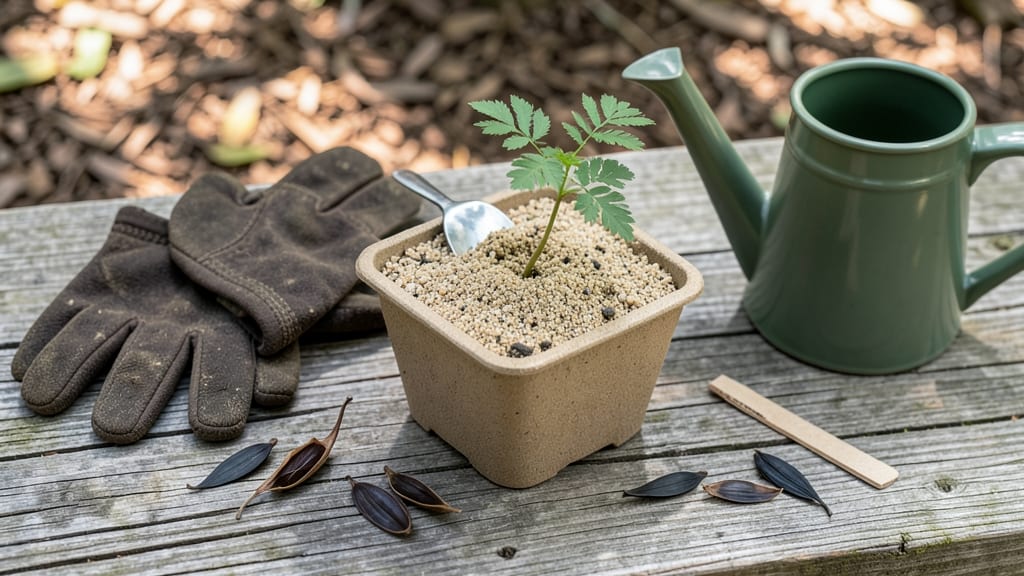
Growing royal poinciana tree seeds delivers bright orange blooms in just 2-3 years—if you nail the germination step. 🌱 These tropical seeds need the right heat and moisture to break their dormancy, and I’ve learned the hard way which shortcuts fail.
The key? Mimicking their natural tropical environment before they even sprout.
You’ll need a warm spot (75-85°F), a mix of sand and potting soil, and patience—these seeds can take 2-6 weeks to crack open. Most beginners overwater or skip the scarification step, which is why so many give up after a month.
But once they germinate, the fast growth makes it worth the wait.
By spring, you’ll have sturdy seedlings ready for transplanting, their first leaves already hinting at the vibrant foliage they’ll develop. The trade-off? They’re not cold-hardy, so this is strictly for zones 10-11 or containers that can winter indoors.
Here’s where it gets interesting—these trees grow 10-15 feet in their first year, so choose your planting spot wisely. The payoff? A sun-drenched canopy of flame-colored blooms by summer, attracting hummingbirds like nothing else in the garden.
📚 In This Guide
- What you need
- Instructions
- Tips and common mistakes
- Wrapping up and next steps
What you need
- ● Ready to grow your own stunning Royal Poinciana Tree? Here’s everything you’ll need to get started—whether you’re a seasoned gardener or a tropical plant enthusiast! 🌱✨
- ● Pro Tip: 💡 If planting outdoors, wait until after the last frost and choose a location with full sun (6+ hours daily) and well-draining soil—these trees hate soggy roots!
Step-by-step instructions for growing royal poinciana tree seeds
Here's how to coax these fiery tropical beauties from seed—fast and with minimal fuss.
🌱 Step 1: Stratify Seeds for Faster Germination
Royal poinciana seeds need a warm, moist stratification to break dormancy. Place them between two damp paper towels in a sealed plastic bag—don't overcrowd, just lay them flat. Store the bag in a warm spot (75-85°F) for 7-14 days. Check daily and mist with water if the towels dry out.
You'll know stratification worked when you see tiny white roots (½ inch long) emerging from the seeds. This step cuts germination time in half—skipping it means waiting weeks longer for sprouts. I like to use a seedling heat mat under the bag to maintain consistent warmth.
💧 Step 2: Plant Stratified Seeds in Warm, Well-Draining Soil
Fill 4-inch pots with a light, sandy mix (equal parts potting soil and perlite). Royal poincianas hate soggy roots, so ensure drainage holes exist. Plant each seed 1 inch deep—deeper planting slows germination. Gently press soil around the seed to secure it without compacting.
Water lightly until the soil feels evenly moist but not saturated. Place pots in a warm, bright spot (no direct sun yet). A greenhouse or sunny windowsill works, but avoid cold drafts. Germination happens fastest at 80°F, so if your home runs cooler, use a heat mat underneath.
☀️ Step 3: Provide High Humidity and Gradual Sun Exposure
Once sprouts emerge (7-21 days), remove the humidity dome immediately—poincianas despise damp foliage. Move seedlings to a south-facing window or under grow lights for 12+ hours daily. Start with morning sun only to avoid scorching tender leaves.
You'll notice the first true leaves (deep green, compound) appear within 2-3 weeks. At this stage, fertilize lightly with a balanced liquid fertilizer (5-5-5) diluted to half strength. Over-fertilizing now burns delicate roots. Rotate pots weekly so seedlings grow straight toward light.
✂️ Step 4: Transplant and Harden Off for Outdoor Success
When seedlings reach 6 inches tall with 4-5 sets of leaves, transplant into 1-gallon containers using the same sandy mix. Royal poincianas grow fast, so upgrade pots every 3 months to prevent root-binding. Bury stems deeper than before—this encourages stronger trunk development.
Harden off seedlings over 2 weeks by gradually increasing outdoor time in partial shade. Watch for new growth—this signals they're ready for full sun. Plant outdoors only after last frost, choosing a spot with full sun and shelter from strong winds. Mulch heavily to retain soil warmth.
🌿 Step 5: Maintain Fast Growth with Pruning and Support
Royal poincianas grow 3-5 feet per year—stake young trees at 12 inches tall to prevent toppling. Prune only to shape in late winter; never cut back into old wood. You'll see vibrant orange flowers by year 3 if the tree gets full sun and consistent moisture. Reduce watering once established (deep soaks every 2 weeks in summer).
Here's the thing—these trees hate transplant shock. If you move a mature seedling, do it in spring and prune ⅓ of the canopy beforehand to reduce stress. With patience, your seedling will bloom into the dramatic, fast-growing tropical giant you planted.
Tips & tricks for growing royal poinciana tree seeds
Took me a while to figure these out, so here's how to avoid the pitfalls and get those fiery tropical beauties growing like a pro.
Stratification Success: The 7-14 days of warm, moist stratification is non-negotiable for royal poinciana seeds. I've seen people skip this step and wait months for germination. Place your seeds in a sealed bag with damp paper towels and check daily—if the towels dry out, mist them immediately. For faster results, use a seedling heat mat to maintain that critical 75-85°F range consistently. The moment you see those tiny white roots (about ½ inch long), you know you're on track.
Soil Mix Matters: Royal poincianas despise soggy roots, so that light sandy mix of equal parts potting soil and perlite is essential. I use 4-inch pots with drainage holes to prevent waterlogging. When planting your stratified seeds 1 inch deep, resist the urge to pack the soil tightly—just press gently to secure the seed. This prevents compaction that can slow germination and root development.
Sunlight Transition: The moment sprouts emerge (typically within 7-21 days), remove any humidity dome immediately—these seedlings cannot tolerate damp foliage. Start with morning sun only to harden those tender leaves, then gradually increase exposure. I've seen seedlings get scorched when moved directly to full sun too soon. Rotate your pots weekly to ensure straight, even growth toward the light source.
Transplant Timing: Wait until your seedlings reach 6 inches tall with 4-5 sets of leaves before transplanting into 1-gallon containers. This gives them enough strength to handle the move. Bury stems deeper than before to encourage stronger trunk development. The 2-week hardening off period is crucial—gradually increase outdoor time in partial shade before exposing to full sun. I always check for new growth as my signal that they're ready for their permanent spot.
Pro Tips for Royal Poinciana Tree Seeds
- Took me a while to figure these out, so here's how to avoid the pitfalls and get those fiery tropical beauties growing like a pro.
- Stratification Success: The 7-14 days of warm, moist stratification is non-negotiable for royal poinciana seeds.
- Soil Mix Matters: Royal poincianas despise soggy roots, so that light sandy mix of equal parts potting soil and perlite is essential.
Frequently asked questions
Got questions about growing royal poinciana tree seeds? You’re not alone—these fiery beauties spark curiosity! Below, we tackle the most common queries to help you grow with confidence.
How long does it take for royal poinciana seeds to germinate?
Royal poinciana seeds typically germinate within 10–21 days under ideal conditions (warmth, moisture, and indirect light). For faster results, soak seeds in warm water for 24 hours before planting. Patience is key—some may take up to 30 days!
Can I plant royal poinciana seeds in cold climates?
Royal poincianas hate cold—they thrive in USDA Zones 10–11. If you live in a cooler zone, start seeds indoors in spring and transplant after the last frost. Alternatively, grow them in large containers to move indoors during winter.
What’s the best soil mix for royal poinciana seed germination?
Use a well-draining, sandy loam mix with perlite or coconut coir to prevent rot. A ratio of 60% potting soil : 30% perlite : 10% compost works well. Avoid heavy clay—these seeds despise soggy roots!
Why aren’t my royal poinciana seeds sprouting?
Common culprits: too cold (keep soil above 70°F), dry soil (mist daily), or old seeds (use fresh ones). Try scarifying (lightly nicking the seed coat) or soaking in warm water to break dormancy. If all else fails, check for mold or pests!
How big should my royal poinciana seedling be before transplanting?
Wait until seedlings have 2–4 true leaves (not just cotyledons) and are 4–6 inches tall. Harden them off for a week before moving to the ground or larger pots. Timing matters—transplant after the frost risk has passed!
Wrapping up and next steps
Growing royal poinciana tree seeds is a rewarding journey—especially when you witness their fast germination and vibrant blooms! These heat-loving beauties thrive with minimal fuss, making them perfect for tropical or warm climates.
Whether you're a seasoned gardener or a beginner, their resilience and striking foliage will bring joy to your outdoor space.
Ready to take the next step? Start by gathering your supplies, following the germination tips, and watch your royal poinciana seeds transform into a stunning centerpiece. 🌱✨ Happy planting!