
Trees
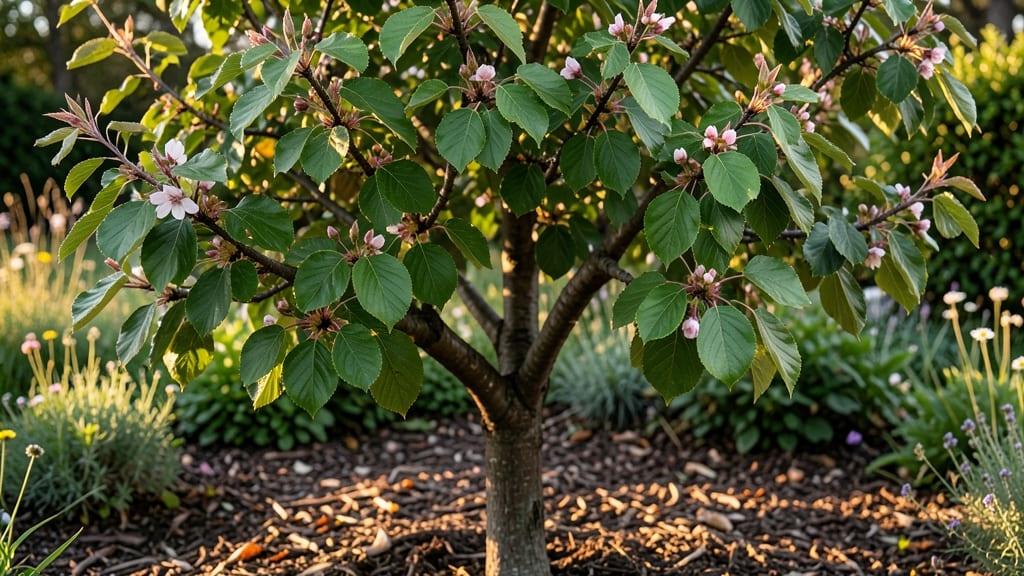
Sour cherry tree leaves tell the real story of your tree’s health—yellowing, spotted, or curling leaves aren’t just eyesores, they’re SOS signals. 🌿 I’ve spent years watching these trees go from vibrant to struggling, and the fixes are simpler than you’d think, starting with what’s not working in your care routine.
The first step is identifying the problem: fungal spots? Check the undersides of leaves for powdery residue. Tiny webs? Spider mites are likely. Nutrient issues? Look for yellowing between veins.
Once you spot the culprit, the right treatment—neem oil for pests, copper fungicide for mildew, or a balanced fertilizer for deficiencies—can turn things around in weeks.
What you’ll end up with is a tree that stays lush through summer heat and winter chill, with fewer pests and stronger growth. The secret isn’t expensive sprays but consistent, targeted care—like pruning for airflow, mulching to retain moisture, and monitoring leaves weekly.
Even a neglected tree can bounce back with the right approach.
📚 In This Guide
- What you need
- Instructions
- Tips and common mistakes
- Wrapping up and next steps
What you need
- ● Fresh or dried sour cherry tree leaves – Collect at least 5–10 lbs (or more, depending on your garden size). Fresh leaves work best for immediate use, while dried leaves are ideal for long-term storage.
- ● Garden shears or pruning tools – For harvesting leaves safely from the tree (sterilize blades with rubbing alcohol to prevent disease spread).
- ● Compost bin or large container – A 5-gallon bucket or mesh bag works well for storing leaves before use. Ensure it has ventilation if using fresh leaves.
- ○ Gloves (optional but recommended) – Protect your hands from thorns or rough leaf edges.
- ● Watering can or hose – For rehydrating dried leaves or applying leaf tea to plants.
- ● Cheesecloth or fine mesh strainer – Essential for straining leaf tea to avoid clogging your watering tools.
- ● Food processor or blender – Speeds up the decomposition process for compost or leaf tea.
- ● Plastic barrels or large bins – For fermenting leaf tea (if making a concentrated version).
- ● pH testing kit – Useful if you’re using leaf tea on sensitive plants (sour cherry leaves are slightly acidic).
- ● Labeling tags – To mark your leaf tea or compost batches for future reference.
- ● Neem oil or other organic pest repellents – Combine with leaves for enhanced pest-deterrent effects.
How to use sour cherry tree leaves for natural pest control and soil health
This simple, zero-waste method transforms fallen leaves into a powerful garden ally—no fancy tools or recipes required.
🌿 Step 1: Collect and Dry the Leaves
Gather fresh, clean sour cherry leaves from your tree in early autumn before they decompose. Avoid leaves with holes or signs of disease—you want only healthy foliage. Spread them in a single layer on a screen, mesh bag, or even a clean tarp in a dry, shaded spot. Turn them occasionally to ensure even drying, which takes about 2-3 weeks depending on humidity.
You'll know they're ready when the leaves become crisp and brittle to the touch. Store the dried leaves in a paper bag or breathable container away from direct sunlight. This preserves their potency for up to 6 months. The drying process concentrates the natural compounds that repel pests and deter fungal growth.
🪴 Step 2: Create Leaf Mulch or Tea for Soil Enrichment
For mulch, simply spread 2-3 inches of dried, whole leaves around the base of plants, especially around the drip line of trees and shrubs. This mimics natural forest floor conditions and slowly releases nutrients as they break down. I like to chop the leaves roughly with pruners first—this speeds up decomposition and makes them less visible in the landscape.
For a leaf tea, fill a burlap sack or mesh bag with 1 cup of dried leaves and tie it shut. Submerge the bag in a 5-gallon bucket of water for 24-48 hours. Stir occasionally to release beneficial compounds. Strain and dilute the tea 1:1 with water before applying to soil or foliage. Use this on compost piles, houseplants, or garden beds for a nutrient boost and pest deterrent.
✂️ Step 3: Apply as a Natural Pest Barrier
Sprinkle dried, crushed leaves around vegetable gardens, fruit trees, and roses to create a physical barrier that deters slugs, snails, and crawling insects. The rough texture and strong scent confuse pests and disrupt their movement patterns. Reapply after rain or every 4-6 weeks to maintain effectiveness. I find this especially useful around strawberry plants and hostas, which are magnets for slugs.
For aphids, mites, and whiteflies, lightly dust dried leaves over the foliage of affected plants. The abrasive texture disrupts their feeding and reproduction cycles. You’ll notice fewer pests within 3-5 days of consistent application. Avoid using this method on days when rain is forecasted—wet leaves lose their effectiveness.
💧 Step 4: Compost or Return to the Orchard
If you’re not using all the leaves for pest control, add the remaining dried leaves to your compost pile in small amounts. They break down slowly and add potassium and micronutrients to the mix. I mix them with greens and nitrogen-rich materials to balance the composting process. Avoid overloading the pile, as too many leaves can create a mat that slows decomposition.
For a low-maintenance orchard, simply rake the dried leaves back under the sour cherry tree in late winter. This enriches the soil naturally and encourages mycorrhizal fungi that help the tree absorb nutrients. Over time, this builds healthier soil and reduces the need for synthetic fertilizers. It’s a closed-loop system that keeps your garden thriving with minimal effort.
Tips & tricks for perfect sour cherry leaf applications
Here's what nobody tells you about maximizing these garden superstars—simple secrets that make all the difference.
Timing Secret: When drying your leaves in Step 1, check for crispness by gently crumpling a small handful. If they shatter like autumn leaves, they're ready—no need to wait for the full 2-3 weeks. In humid climates, I move my drying setup under a fan to speed things up while preventing mold. The key is consistent airflow that mimics natural forest conditions.
Leaf Tea Technique: For the 24-48 hour leaf tea in Step 2, I use two burlap sacks instead of one—one for the first 24 hours, then swap it for fresh leaves in the second sack. This maintains a stronger concentration of beneficial compounds throughout the entire soaking period. The second sack will yield a more potent tea, perfect for treating fungal issues or heavily infested plants.
Pest Barrier Strategy: In Step 3, crush the leaves into a fine powder before applying as a barrier—this releases more of their aromatic oils that repel pests. I use my hands to grind them against a metal colander for maximum surface area. For stubborn slug problems, create a 2-inch wide band around vulnerable plants like strawberries. The crushed leaves create a physical barrier they can't cross easily.
Compost Integration: When adding leaves to your compost pile in Step 4, mix them with equal parts nitrogen-rich materials like grass clippings or coffee grounds. This balances the carbon-to-nitrogen ratio and prevents the pile from becoming too acidic. I add them in thin layers rather than dumping them all at once—this ensures proper decomposition without creating a leaf mat that blocks air circulation.
Pro Tips for Sour Cherry Tree Leaves
- Here's what nobody tells you about maximizing these garden superstars—simple secrets that make all the difference.
- Timing Secret: When drying your leaves in Step 1, check for crispness by gently crumpling a small handful.
- Leaf Tea Technique: For the 24-48 hour leaf tea in Step 2, I use two burlap sacks instead of one—one for the first 24 hours, then swap it for fresh leaves in the second sack.
Frequently asked questions
Got questions about using sour cherry tree leaves for pest control and soil health?
You’re not alone! Here are some of the most common queries—and their answers—to help you get the most out of these versatile leaves.
When is the best time to collect sour cherry tree leaves for pest control?
Collect leaves in late summer or early fall when they’re fully mature but before they fall naturally. This timing ensures maximum potency for pest-repelling compounds. Avoid leaves with signs of disease or pests—they won’t be effective (and could spread issues). Store them in a dry, dark place for up to a year!
Can sour cherry leaves replace synthetic pesticides completely?
While sour cherry leaves are a natural and effective pest deterrent, they’re not a 100% substitute for synthetic pesticides in severe infestations. Use them as a preventive measure (e.g., mulching or tea sprays) and combine with other organic methods like neem oil or companion planting for best results. Always monitor pest activity closely!
How do I use dried sour cherry leaves to improve soil?
Crush dried leaves into a fine powder and mix them into compost (1:10 ratio with other materials) or sprinkle them directly onto garden beds. They enrich soil with potassium and micronutrients while suppressing weeds. For a quick boost, steep 1 cup of leaves in 1 gallon of water for 24 hours, then use the "tea" as a foliar spray or soil drench.
Are sour cherry leaves safe for all plants, or do they have drawbacks?
Sour cherry leaves are generally safe for most edible and ornamental plants, but avoid overusing them near acid-sensitive plants (like hydrangeas or blueberries). Some gardeners report mild leaf yellowing in sensitive species—always test a small area first. Also, never use leaves treated with herbicides or pesticides; they’ll contaminate your soil!
What’s the shelf life of dried sour cherry leaves, and how should I store them?
Properly dried leaves last 6–12 months if stored in an airtight container (like a glass jar) in a cool, dark place. For longer storage, freeze them in bags. Check for mold or musty smells—if present, discard them. Pro tip: Label your container with the harvest date to track freshness!
Wrapping up and next steps
Sour cherry tree leaves are a game-changer for natural pest control and soil health—no fancy tools or chemicals needed! Whether you’re a gardener looking to reduce pests organically or a soil enthusiast eager to boost your garden’s vitality, these leaves offer a simple, effective solution. 🌱
Ready to give it a try? Start small—harvest a few leaves, brew up a batch of tea, or mulch them into your garden beds. Every step you take brings you closer to a thriving, chemical-free garden. Happy gardening! 🌿