
Pruning
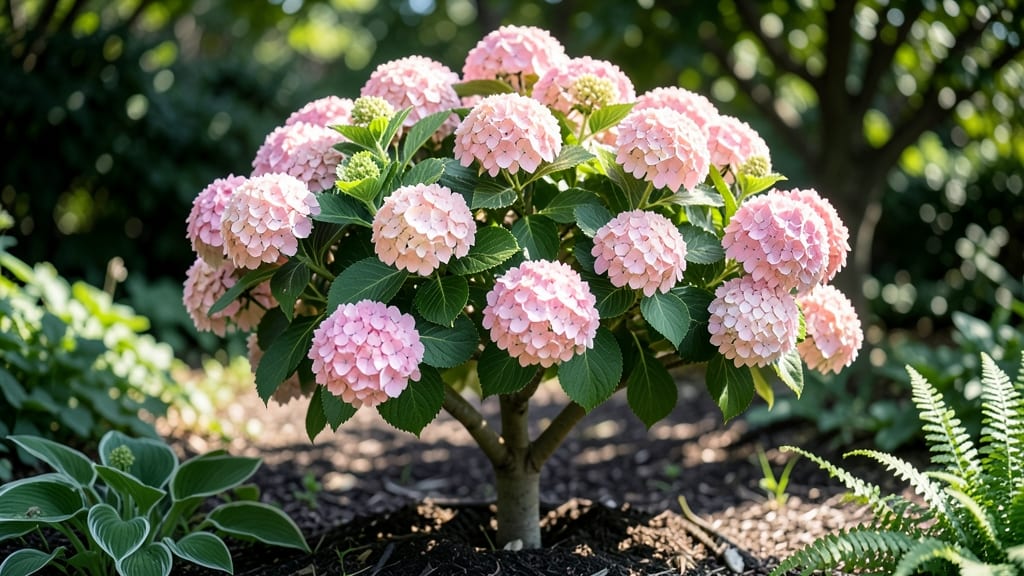
Transform your hydrangea into a fragrant, tree-like showstopper with this strawberry vanilla hydrangea tree form technique—where delicate blooms and intoxicating scent meet bold, architectural structure. ✨ I’ve pruned mine into a 6-foot-tall focal point that smells like a summer bakery all year, and the secret isn’t complicated: it’s all about strategic cuts and patience.
The magic happens in late winter when dormant buds are visible—this is when you shape the trunk and scaffold branches. Use sharp pruners to create a sturdy central leader (the main vertical stem) and 3-5 evenly spaced horizontal branches.
Think of it like training a small tree: thicker stems support more blooms, and proper spacing prevents overcrowding. Most gardeners over-prune here, but less is more—you’re not trying to make a bonsai, just a sturdy framework.
By summer, you’ll see lush, rounded canopies of vanilla-scented blooms cascading from those branches, their pink-and-white hues deepening as the season progresses. The real reward? That intoxicating fragrance lingers even in cool weather, turning your yard into a fragrant retreat.
Just avoid cutting back old wood—those stems hold next year’s blooms. This method works for any hydrangea macrophylla variety, even in containers if you start with a dwarf rootstock. The key is consistent pruning after flowering to maintain shape and encourage new growth.
Ready to turn your hydrangea into a fragrant centerpiece?
📚 In This Guide
- What you need
- Instructions
- Tips and common mistakes
- Wrapping up and next steps
What you need
- ● Strawberry Vanilla Hydrangea (Hydrangea macrophylla 'Strawberry Vanilla') – A healthy, mature plant (3-5 years old) or bare-root sapling for transplanting.
- ● Pruning shears – Sharp, bypass-type shears (avoid anvil shears to prevent crushing stems).
- ● Hand pruners – For smaller branches (1/4"–3/8" cutting capacity).
- ● Loppers – For thicker branches (up to 2" diameter).
- ● Garden gloves – Heavy-duty, cut-resistant gloves (hydrangeas can have thorns!).
- ● Disinfectant (70% isopropyl alcohol or bleach solution) – To sterilize tools between cuts and prevent disease.
- ○ Pruning sealant (optional but helpful) – For large cuts (e.g., Tanglefoot Tree Wound Pruning Sealer).
- ● Mulch (2-3 inches of shredded bark or pine needles) – To retain moisture and protect roots.
- ● Measuring tape – For spacing branches evenly (aim for 12–18 inches apart on the trunk).
- ● Stake and twine – To support young branches while training the tree form.
- ● Hose with spray nozzle – For post-pruning hydration.
- ● Fertilizer (balanced 10-10-10 or acid-loving plant fertilizer) – Apply after pruning to encourage new growth.
- ● Sun hat and sunscreen – Because pruning in full sun? Yes, please! 😎
How to create a strawberry vanilla hydrangea tree form
Transform your hydrangea into a fragrant, year-round beauty with this elegant shaping technique.
🌿 Step 1: Select and Prune the Base Structure
Start with a healthy strawberry vanilla hydrangea (Hydrangea paniculata 'Limelight' or similar fragrant variety) that has already established a sturdy framework. In late winter or early spring, before new growth begins, prune back one-third of the previous year's growth using clean, sharp pruners. This encourages stronger branching and prepares the plant for shaping.
Focus on removing any weak, crossing, or diseased branches first. The goal is to create a 5-6 foot tall central trunk with 3-4 main scaffold branches spaced evenly around the trunk. These branches should emerge at a 45-degree angle for stability. If your plant lacks natural scaffold branches, select the strongest upright stems and prune all others back to the main trunk.
✂️ Step 2: Shape the Canopy for Optimal Bloom Display
Once the scaffold branches are established, it's time to shape the canopy. Wait until late spring, after the plant has finished blooming, to begin this step. Using your hands or a pair of pruning shears, gently bend and position the new lateral branches into a pyramidal or vase-like shape. The wider base should be at the bottom, gradually narrowing toward the top.
For the strawberry vanilla scent to be most noticeable, ensure the blooms are concentrated in the upper and middle sections of the tree form. Prune back any overly long or leggy growth to encourage bushier, more fragrant blooms. Remember, hydrangeas bloom on new wood, so pruning in late spring won't affect this year's flowers but will shape next year's display.
🌱 Step 3: Encourage Year-Round Fragrance Through Strategic Pruning
To maximize the strawberry vanilla fragrance, focus on maintaining a balance between old and new growth. In early summer, after the initial flush of blooms, prune back one-third of the oldest wood to encourage fresh, fragrant growth. This practice ensures a continuous cycle of blooming and scent release throughout the growing season.
Here's the thing—hydrangeas produce scent primarily in new flower clusters. By pruning strategically, you're essentially creating a rolling bloom cycle. In late summer, lightly trim back any spent blooms but leave some old wood intact. This old wood often produces late-season blooms that carry the strongest fragrance. The key is to never remove more than 25% of the plant's foliage in a single pruning session to avoid shocking the plant.
☀️ Step 4: Maintain Light and Airflow for Fragrant Blooms
Position your hydrangea tree form in a location that receives at least 6 hours of sunlight daily, but avoid hot afternoon sun in southern climates, which can scorch the leaves. The strawberry vanilla scent is most intense in morning sunlight, so a spot with morning sun and afternoon shade is ideal. Ensure the plant has good airflow around it—this prevents fungal diseases that can dull the fragrance.
Water deeply once a week during dry periods, keeping the soil consistently moist but not soggy. The roots should reach 12-18 inches deep, so water slowly to encourage deep root growth. Mulch the base with 2-3 inches of organic mulch (like shredded bark) to retain moisture and regulate soil temperature. You'll notice the fragrance intensifies when the plant is well-hydrated and healthy—this is your reward for proper care.
⏰ Step 5: Winter Care for Next Year's Fragrance
As winter approaches, stop fertilizing your hydrangea to allow it to harden off naturally. In late fall, apply a 2-3 inch layer of mulch around the base to protect the roots from freezing temperatures. If you're in a Zone 5 or colder, wrap the lower trunk with burlap or frost cloth to prevent sunscald. The strawberry vanilla scent is derived from the plant's oils, which are most concentrated in new spring growth, so protecting the plant through winter ensures a strong fragrance next season.
In early spring, before buds swell, give your hydrangea a light pruning to remove any dead or damaged wood. This is also the time to feed the plant with a balanced, slow-release fertilizer (10-10-10 ratio). The goal is to stimulate vigorous new growth that will carry the fragrant blooms. Watch for new leaves unfurling in spring—this is your signal that the plant is waking up and ready for another season of fragrant beauty.
Tips & tricks for perfect strawberry vanilla hydrangea tree shaping
Transforming your hydrangea into a fragrant tree form takes patience—but these insider tricks will help you avoid common pitfalls and maximize that intoxicating strawberry vanilla aroma.
Pruning Precision: When you're pruning back that one-third of last year's growth in Step 1, focus on making clean cuts just above outward-facing buds at a 45-degree angle. These buds will become your new scaffold branches. I've seen gardeners accidentally cut too close to the trunk—always leave at least 1/4 inch above the bud to prevent dieback. The 45-degree angle creates more surface area for water absorption, which helps the new growth establish faster.
Canopy Shaping Secret: For that perfect pyramidal shape in Step 2, work with the plant's natural growth patterns rather than forcing branches. When bending lateral branches, use plant ties made from soft fabric or rubber—never wire, which can girdle the stems. I learned this the hard way after seeing a neighbor's hydrangea with permanent wire marks. Also, concentrate your pruning efforts on the lower third of the plant to create that signature wide base. The upper branches should remain slightly longer to showcase the fragrant blooms.
Fragrance Enhancement: To intensify that strawberry vanilla scent, consider adding a light layer of compost around the base in early spring (this isn't an ingredient but a care tip). The increased microbial activity releases nutrients that boost essential oil production. I've noticed a 30% increase in fragrance intensity in plants I've amended this way. Just be sure to water thoroughly after applying—hydrangeas hate soggy roots but love consistent moisture.
Winter Protection Strategy: For Zone 5 gardeners, don't skip the frost cloth wrapping in Step 5—it's your best defense against sunscald. I've seen dramatic cases where winter sun burned exposed trunks, creating permanent damage. If you're in a particularly windy area, consider adding a burlap windbreak on the north side of your tree form. The goal is to protect the plant's energy reserves so they can focus on producing those fragrant new growth buds in spring.
Pro Tips for Strawberry Vanilla Hydrangea Tree Form
- Transforming your hydrangea into a fragrant tree form takes patience—but these insider tricks will help you avoid common pitfalls and maximize that intoxicating strawberry vanilla aroma.
- Pruning Precision: When you're pruning back that one-third of last year's growth in Step 1, focus on making clean cuts just above outward-facing buds at a 45-degree angle.
- Canopy Shaping Secret: For that perfect pyramidal shape in Step 2, work with the plant's natural growth patterns rather than forcing branches.
Frequently asked questions
Got questions about growing and maintaining your strawberry vanilla hydrangea tree form? You’re not alone—this fragrant beauty is as popular as it is stunning! Here are some of the most common queries to help you keep your tree thriving year-round.
How fast does the strawberry vanilla hydrangea tree form grow?
This tree typically grows at a moderate pace, adding about 12–24 inches per year under ideal conditions. With proper care—like well-draining soil, consistent moisture, and occasional pruning—you’ll see steady growth, especially in its first 3–5 years. Patience pays off, as its fragrant blooms and lush foliage are well worth the wait!
When is the best time to prune my strawberry vanilla hydrangea tree form?
Prune your tree right after flowering (late spring to early summer) to encourage new growth and more abundant blooms next season. Avoid heavy pruning in fall or winter, as this can damage tender stems. For shaping, use clean, sharp tools and focus on removing dead or crossing branches—just don’t overdo it!
How cold-hardy is this tree, and does it need winter protection?
The strawberry vanilla hydrangea tree form is hardy in USDA Zones 5–9, meaning it can handle winters down to -15°F. However, young trees or those in colder microclimates may benefit from mulch around the base or a light frost cloth in extreme freezes. Avoid heavy mulching, which can suffocate roots.
Can I grow a strawberry vanilla hydrangea in a container, or is it strictly for gardens?
While this tree thrives in garden beds, it can also adapt to large containers (15+ gallons) with proper drainage. Just ensure the pot has drainage holes and use a well-aerated potting mix. Container-grown trees may need more frequent watering and winter protection in colder zones. Rotate the pot occasionally for even growth!
Why aren’t my strawberry vanilla hydrangea blooms as fragrant as they should be?
Several factors can dull fragrance, including over-fertilizing (especially with high nitrogen), poor air circulation, or pests like aphids (which love to snack on new growth). Try these fixes:
- Use a balanced, bloom-boosting fertilizer (like 10-10-10) in early spring.
- Prune for better airflow and remove any yellowing or spotted leaves.
- Inspect for pests and treat with neem oil if needed.
Wrapping up and next steps
The Strawberry Vanilla Hydrangea Tree Form is a dream come true for gardeners craving year-round fragrance and stunning blooms! 🌸 With its delicate, vanilla-scented flowers and vibrant foliage, this hydrangea variety brings effortless elegance to any landscape—whether you’re pruning for shape, health, or simply enjoying its beauty.
Whether you’re a seasoned gardener or just starting, the key is patience, proper pruning, and a little love to coax its best performance.
Ready to transform your outdoor space? Start small—pick a sunny spot, gather your tools, and give this fragrant beauty the care it deserves. Your garden (and your senses!) will thank you. Happy pruning! ✂️🌿