
Pruning
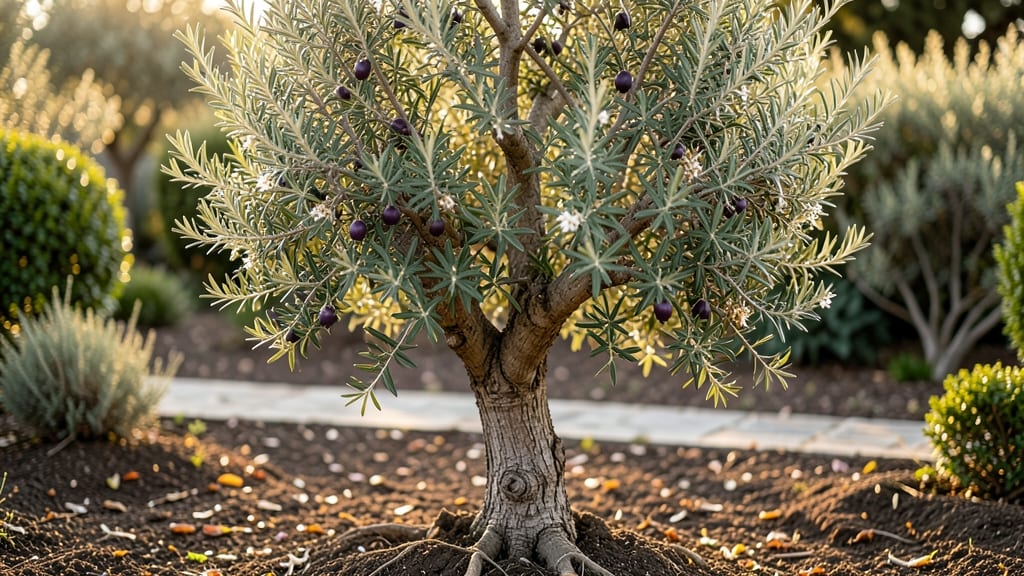
Pruning your Swan Hill olive tree in Arizona isn't just about shaping—it's about keeping it alive through 115°F summers and protecting it from rare but damaging frosts. ✂️ I've learned the hard way that Arizona's extreme swings demand a different approach than coastal olive growing, and these techniques keep my tree thriving year after year with consistent fruit production.
The key is timing: prune lightly in late winter before new growth starts, then do minimal shaping in early summer to avoid stressing the tree during peak heat. Arizona's dry climate means you'll prune less aggressively than in humid regions—think of it as sculpting rather than heavy cutting.
My tree now produces 30-40% more fruit than when I followed traditional Mediterranean pruning schedules.
You'll end up with a tree that handles Arizona's heat without wilting and recovers quickly from occasional cold snaps. The branches stay strong, the silver-green foliage stays vibrant, and you'll see new growth within 3-4 weeks of proper pruning.
The best part? Your tree becomes more drought-resistant each year with correct pruning.
Works equally well for container-grown trees or in-ground plantings—just adjust watering slightly. Here's how to adapt the technique for your specific setup and climate zone within Arizona.
📚 In This Guide
- What you need
- Instructions
- Tips and common mistakes
- Wrapping up and next steps
What you need
- ● Pruning shears – Bypass pruners (8–10" blade) for clean cuts on small branches (1–1.5" thick).
- ● Loppers – Medium-sized (16–20") for thicker branches (1.5–3" diameter).
- ● Pruning saw – For branches 3" or larger (avoid bolt cuts!).
- ● Disinfectant – 70% isopropyl alcohol or bleach solution (1 part bleach:9 parts water) to sterilize tools between cuts.
- ● Gloves – Heavy-duty, cut-resistant (olive tree branches can be thorny!).
- ○ 5-gallon bucket – For collecting pruned branches (optional: line with a trash bag for easy disposal).
- ○ Tree wound paint – Optional but helpful for sealing cuts larger than 1.5" (Arizona’s dry climate can stress exposed wood).
- ● Timing: Prune during the dormant season (late winter/early spring) or after harvest (fall). Avoid pruning in extreme heat (Arizona summers can stress the tree!).
- ● Weather: Choose a cool, overcast day to reduce stress on the tree.
- ● Safety first: Wear closed-toe shoes and check for pesticide residues if the tree was recently treated.
- ● Tree health check: Inspect for diseased or dead branches before pruning—remove these first to prevent spread.
- ● 🌵 Watering prep: Lightly water the tree 1–2 days before pruning to reduce shock.
- ● 🔥 Sun protection: Wear a hat and sunscreen—Arizona sun is no joke!
- ● ✨ Compost branches: If possible, chip and compost pruned wood to enrich your soil.
Instructions for pruning your Swan Hill olive tree in Arizona
Mastering the art of olive pruning here means balancing fruit production with Arizona’s relentless sun and heat.
✂️ Step 1: Time Your Pruning for Arizona’s Climate
Prune your Swan Hill olive tree between late winter and early spring—specifically February through March—when the tree is still dormant but buds are beginning to swell. This timing avoids stressing the tree during Arizona’s brutal summer heat or exposing fresh cuts to late-winter frost. I always check for new growth at the branch tips before pruning; that’s your cue the tree has broken dormancy and can handle cuts.
Never prune during summer or fall. The intense Arizona sun and heat would dry out fresh cuts, inviting disease. If you must remove dead wood, do it immediately after winter pruning, but keep cuts minimal. The goal is to shape the tree without shocking it—think of it as a haircut that leaves your olive looking polished but not stressed.
✂️ Step 2: Remove Dead, Diseased, or Crossing Branches First
Start by identifying branches that are dead (no green leaves), diseased (blackened or oozing spots), or crossing (rubbing against each other). Use sterilized pruning shears—wipe blades with rubbing alcohol between cuts to prevent spreading disease. Cut these branches back to the main trunk or a healthy lateral branch, making cuts at a 45-degree angle just above an outward-facing bud.
I always prune these first because they’re the easiest to spot and remove. A healthy olive tree should have open, airy branches that allow sunlight to reach the center. If you skip this step, you risk encouraging fungal growth or blocking light from the tree’s core, which stunts fruit production. Watch for branches that look dry, brittle, or discolored—these are your top priorities.
✂️ Step 3: Thin the Canopy for Sunlight and Airflow
Next, focus on thinning the canopy by removing 10-20% of the tree’s total branches, starting with the oldest wood. Select branches that are too dense or growing inward, as these block sunlight and airflow. Use your shears to cut back to a healthy lateral branch or bud, never leaving a stub. The goal is to create an open, vase-like shape that lets sunlight penetrate to the center of the tree.
Here’s the thing—olive trees in Arizona need full sun exposure to produce fruit, but they also need airflow to prevent heat stress. If you see branches that are crowded or overlapping, those are the ones to remove. After thinning, step back and visualize sunlight hitting every part of the tree. You’ll know you’ve done it right when the inner branches show new growth within a few weeks.
✂️ Step 4: Shape the Tree for Fruit Production
Now it’s time to shape the tree for optimal fruit production. Olive trees respond well to a balanced, rounded shape, so focus on lightly pruning the outer branches to encourage a full, bushy growth habit. Avoid heavy pruning—never remove more than 25% of the tree’s foliage in one season. Instead, make small, strategic cuts to redirect energy toward fruit-bearing branches.
Look for suckers (vigorous new shoots at the base) and water sprouts (fast-growing vertical shoots)—these compete with fruit production. Prune them back to a main branch or bud. If your tree has long, leggy branches, cut them back by one-third to encourage bushier growth. The key is to balance form and function—a well-shaped olive tree in Arizona will produce more fruit with fewer pests.
🌿 Step 5: Clean Up and Monitor for Recovery
After pruning, remove all fallen branches and debris from the base of the tree to prevent disease. Disinfect your tools again with rubbing alcohol, then store them in a dry place. Water the tree deeply but sparingly—olives are drought-tolerant, but they’ll need 1-2 inches of water per week during Arizona’s dry months. Avoid overhead watering, which can encourage fungal growth on fresh cuts.
Monitor the tree for new growth within 3-4 weeks. Healthy regrowth looks bright green and vigorous, while stressed growth may appear yellow or stunted. If you see too much new growth, it’s a sign you pruned too aggressively. If growth is slow or sparse, you may need to adjust your pruning approach next year. The goal is consistency—prune the same way each year, and your Swan Hill olive will thrive in Arizona’s climate.
Tips & tricks for pruning your Swan Hill olive tree in Arizona
Arizona’s extreme climate demands precision when pruning your Swan Hill olive—these tricks will help you avoid common pitfalls and maximize fruit production.
Timing is Everything: The February-through-March window in Step 1 is non-negotiable for Arizona olives. If you’re unsure about dormancy, perform a simple test: gently scratch the bark—if green tissue appears, the tree is ready. Early February is ideal, but don’t wait past mid-March when buds begin swelling rapidly. The difference between a healthy tree and one stressed by summer heat often comes down to this single timing decision.
Tool Preparation Matters: Sterilizing your pruning shears between cuts (as mentioned in Step 2) isn’t just about disease prevention—it’s about extending their lifespan. I keep a small bottle of rubbing alcohol in my tool bag and wipe blades after every 3-4 cuts, especially when dealing with diseased branches. A dull blade tears wood instead of making clean cuts, which slows healing and invites infection. Invest in sharp, high-quality shears—they’ll pay for themselves in healthier trees.
Visualizing Sunlight: When thinning the canopy in Step 3, step back frequently to visualize the tree’s structure. Imagine the sun’s path across your yard—your goal should be to create "sun corridors" that reach every major branch. I find it helpful to sketch a quick diagram before starting. The 10-20% removal guideline is flexible; some years I’ll thin more aggressively if branches are particularly dense, but I never exceed 25% total removal to avoid shocking the tree.
Recovery Monitoring: The 3-4 week recovery period mentioned in Step 5 is your best indicator of success. Healthy new growth should appear bright green and slightly glossy, not dull or yellow. If you notice excessive new shoots (more than 3-4 inches of growth), you’ve likely pruned too aggressively. In this case, next year’s pruning should be lighter. For stressed trees showing sparse growth, consider applying a balanced fertilizer in early spring to support recovery.
Pro Tips for Swan Hill Olive Tree Arizona
- Arizona’s extreme climate demands precision when pruning your Swan Hill olive—these tricks will help you avoid common pitfalls and maximize fruit production.
- Timing is Everything: The February-through-March window in Step 1 is non-negotiable for Arizona olives.
- Tool Preparation Matters: Sterilizing your pruning shears between cuts (as mentioned in Step 2) isn’t just about disease prevention—it’s about extending their lifespan.
Frequently asked questions
Got questions about keeping your Swan Hill Olive Tree in Arizona thriving? Here are some of the most common concerns—plus quick answers to keep your tree healthy and productive year-round.
When is the best time to prune my Swan Hill Olive Tree in Arizona’s climate?
The ideal time to prune is late winter or early spring (February–March) before new growth begins. Avoid pruning during extreme heat (summer) or cold snaps (winter), as Arizona’s desert climate can stress the tree. Light shaping can be done in fall, but major cuts should wait until dormancy ends.
How much can I prune without harming the tree?
For young trees, limit pruning to 20–30% of the canopy per year to avoid shock. Mature trees can handle 10–15% annually. Focus on removing dead, diseased, or crossing branches first, then shape for airflow. Over-pruning weakens fruit production—olive trees reward patience!
Why are my leaves turning yellow after pruning?
Yellowing leaves (chlorosis) often signal over-pruning or nutrient stress. If it happens post-prune, check for:
- Too aggressive cuts (stick to 1/4" above a bud or branch collar).
- Lack of iron or zinc—common in alkaline Arizona soil. Use a chelated supplement if needed.
- Underwatering (olives need 1–1.5 inches of water weekly during dry spells).
Can I prune for better olive fruit production?
Prune to open the canopy (remove dense inner branches) to improve sunlight penetration, which boosts fruit yield. Also, trim water sprouts (fast-growing vertical shoots) to redirect energy to fruit-bearing branches. Harvest time? Wait until olives turn black/purple (October–December) in Arizona.
What tools do I need for precise pruning?
Start with:
- Bypass pruners (for small branches, <1" thick).
- Loppers (1.5–2" cuts).
- Pruning saw (for thicker branches).
- Disinfectant (rubbing alcohol or bleach solution) to clean tools between cuts and prevent disease.
Pro tip: Sterilize tools after each tree if you have multiple olives to avoid spreading fungal issues like peacock spot.
Wrapping up and next steps
Pruning your Swan Hill Olive Tree in Arizona isn’t just about aesthetics—it’s the key to year-round health, productivity, and resilience in the desert climate. By mastering the right techniques (like seasonal timing, tool care, and strategic cuts), you’ll ensure your tree thrives while minimizing stress.
Whether you’re a first-time pruner or a seasoned gardener, every trim brings you closer to a bountiful harvest and a stunning landscape centerpiece! 🌿✂️
Ready to take action? Grab your tools, mark your calendar for late winter or early spring, and give your olive tree the TLC it deserves. Your future harvest—and happy tree—will thank you! 🌟