
Pruning
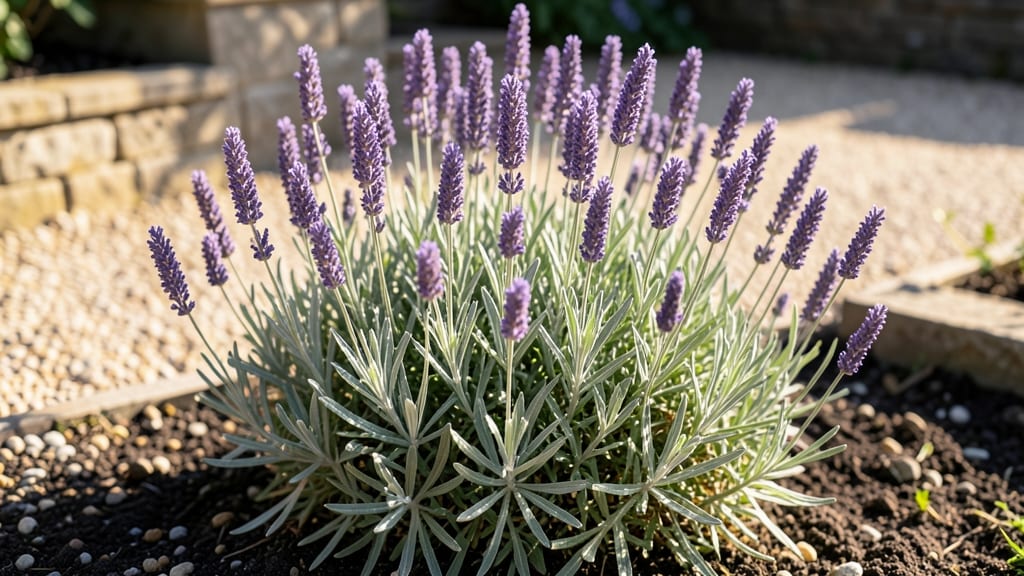
Creating tree form lavender transforms your garden into a fragrant, sculptural masterpiece. 🌿 This pruning technique turns sprawling lavender into a tall, upright focal point—perfect for hedges, borders, or container gardens.
The key is timing and precision: prune lightly after flowering, then shape in late winter to encourage dense, bushy growth. The right conditions make all the difference. Tree form lavender thrives in full sun (6+ hours daily), well-draining soil, and USDA Zones 5-9.
Varieties like 'Arp' or 'Grosso' handle pruning best, staying compact yet towering. Water deeply but infrequently—overwatering kills these drought-loving plants faster than poor pruning ever could. By mid-spring, you’ll see new growth shooting from the base, filling in any gaps.
The scent alone—citrusy, herbal, and intoxicating—makes the effort worth it. Plus, this form blooms longer and more abundantly than standard lavender, giving you months of color and fragrance. Works in large landscapes or small containers—just adjust pruning frequency. Here’s how to keep it thriving year after year.
📚 In This Guide
- What you need
- Instructions
- Tips and common mistakes
- Wrapping up and next steps
What you need
- ● Lavender plants: 1-3 mature bushes (preferably Lavandula angustifolia or Lavandula x intermedia for best results). Choose healthy, established plants (1-2 years old).
- ● Pruning shears: 1 pair of bypass pruners (sharp, clean, and sterilized to prevent disease). Avoid anvil pruners—they can crush stems.
- ● Hand pruners or loppers: 1 pair for thicker stems (if your lavender has woody branches).
- ● Gloves: 1 pair of gardening gloves (thick, cut-resistant for protection).
- ● Disinfectant: 70% isopropyl alcohol or a gardening disinfectant spray (to clean tools between cuts).
- ● Compost or mulch: 1-2 gallons of organic compost or mulch (for post-pruning care).
- ○ Staking material (optional): 2-3 bamboo stakes or soft plant ties (if your lavender is top-heavy after pruning).
- ● Timing: Prune in early spring (just as new growth begins) or late summer (after flowering). Avoid pruning in fall or winter—lavender needs time to harden off.
- ● Weather: Choose a dry, sunny day (humidity can stress lavender). Morning pruning is ideal to allow wounds to dry before evening.
- ● Location: Ensure your lavender has full sun exposure (6+ hours/day) and well-draining soil (amend clay soil with sand or gravel if needed).
- ● Water access: Have a watering can or hose handy for post-pruning hydration (but avoid overwatering!).
- ● 🔥 Mark your cuts: Use a pencil to outline your desired tree shape before pruning to avoid over-cutting.
- ● ✂️ Shape gradually: Remove no more than 1/3 of the plant’s foliage in a single session to avoid shock.
- ● 🌡️ Monitor for stress: If leaves yellow or wilt after pruning, reduce watering and provide shade for a few days.
How to prune tree form lavender for year-round growth
Mastering this technique transforms leggy lavender into a lush, tree-like shrub that blooms abundantly.
✂️ Step 1: Identify the Central Leader and Structural Branches
Start by selecting the strongest, upright stem as your central leader—the vertical backbone of your tree form. I look for a stem that emerges naturally straight from the base, with no competing branches lower than 6 inches from the ground. Use sharp pruning shears to remove any competing stems at their base, cutting cleanly at a 45-degree angle just above an outward-facing bud.
Next, identify 3-4 primary branches that radiate evenly from the central stem. These should be spaced 6-8 inches apart vertically. If your plant lacks natural branches, gently bend and tie flexible stems into place using soft plant ties. This ensures a balanced, symmetrical structure that supports future growth.
✂️ Step 2: Prune for Shape in Early Spring
Wait until just after the last frost when new growth begins but before buds fully open—typically late March to early April in most climates. Remove any dead or crossing branches first, cutting back to the nearest outward-facing bud. For the central leader, trim back by one-third to encourage bushier growth, making your cut just above a leaf node.
Shape the primary branches by trimming the tips back to 1/3 their length. This prevents them from growing too long and leggy. I like to step back every few cuts to visualize the overall shape—your goal is a tapered silhouette wider at the base than the top. Avoid heavy pruning on mature wood; lavender responds best to light, regular shaping.
✂️ Step 3: Maintain Through Summer and Early Fall
During the growing season, focus on removing any new shoots that emerge below your 6-inch base. These compete with the central leader and create a bushy base. Pinch back flower spikes as they form to redirect energy into foliage growth—this is key for developing a dense tree form. I use my fingers to pinch rather than shears to avoid damaging the delicate stems.
In late summer, give your lavender a light trim to remove any leggy growth or branches that disrupt the tree shape. This is also when you'll see new growth responding to your spring pruning. If you notice branches growing too close together, thin them out completely rather than pruning back—this improves air circulation and prevents fungal issues.
✂️ Step 4: Prepare for Winter Dormancy
After the first hard frost but before heavy freezes, give your lavender one final trim. Remove any dead or diseased branches completely, then lightly shape the remaining structure by trimming back 10-15% of the season's growth. This prevents winter burn and encourages fresh, vigorous growth in spring. I avoid heavy pruning now—lavender needs its foliage to protect the wood during cold months.
The real work happens in winter when you protect your tree form. Wrap the base with burlap or frost cloth to shield it from cold winds, and consider adding a 2-3 inch layer of mulch around the base (but not touching the stems). This insulation helps maintain root temperature and prevents heaving during freeze-thaw cycles.
🌿 Step 5: Year-Round Maintenance Checkpoints
Every 4-6 weeks, inspect your lavender for signs of stress—yellowing leaves, powdery mildew, or new shoots at the base. These are your cues to adjust your approach. For example, if you see new growth emerging below your 6-inch base, remove it immediately to maintain the tree form. I also check for any branches that have outgrown their space—thinning these out keeps air flowing and prevents disease.
Water deeply but infrequently—once every 10-14 days during dry spells—letting the soil dry completely between waterings. Overwatering in winter is a common mistake that leads to root rot. Your lavender's fragrance and fullness are direct indicators of your success: a healthy tree form lavender should have dense, silver-gray foliage and abundant purple blooms that appear in spring and again in fall.
Tips & tricks for perfect tree form lavender
These game-changing insights will help you avoid common pruning pitfalls and create a lavender tree that thrives year after year.
The Central Leader is Everything: When selecting your central leader in Step 1, look for a stem that's at least 1/4-inch thick at the base—thinner stems won't support the weight of future branches. I've seen many gardeners choose the wrong leader only to have it snap under winter snow. Also, make those 45-degree cuts precisely above an outward-facing bud—this ensures new growth emerges at the perfect angle for your tree form. A misplaced cut can create awkward growth patterns that ruin your symmetry.
Spring Pruning Precision: In Step 2, when you're trimming your primary branches back to 1/3 their length, focus on removing the topmost growth first. This creates a natural taper that mimics how trees grow in nature. I like to use a string or level to check my cuts—if your branches aren't evenly spaced, your tree will look lopsided. And remember, those late March to early April timing windows are critical: prune too early and you'll cut back new growth; too late and you'll remove next year's flower buds.
Summer Maintenance Secret: The 6-inch base rule in Step 3 is non-negotiable for maintaining your tree form. Any new shoots below this line will compete with your central leader, creating a messy, bushy base. I carry a pair of small pruning shears in my gardening bag specifically for this task—you'll be surprised how often these rogue shoots appear during the growing season. For the late summer shaping, limit yourself to removing only 10-15% of the season's growth—this keeps your plant healthy while maintaining its structure.
Winter Protection Pro Tip: When wrapping your lavender in Step 4, leave the top 1/3 of the plant uncovered. This allows sunlight to penetrate and prevents the center from becoming too damp. I've found that using burlap rather than plastic creates better airflow, which is crucial for preventing fungal issues during winter. And that 2-3 inch mulch layer should be fluffed rather than packed down—this creates air pockets that insulate better while still allowing water to penetrate during spring thaws.
Pro Tips for Tree Form Lavender
- These game-changing insights will help you avoid common pruning pitfalls and create a lavender tree that thrives year after year.
- The Central Leader is Everything: When selecting your central leader in Step 1, look for a stem that's at least 1/4-inch thick at the base—thinner stems won't support the weight of future branches.
- Spring Pruning Precision: In Step 2, when you're trimming your primary branches back to 1/3 their length, focus on removing the topmost growth first.
Frequently asked questions
Got questions about growing tree form lavender? You’re not alone! Here are answers to the most common queries—from pruning tips to troubleshooting—so you can keep your fragrant beauty thriving year-round.
When is the best time to prune tree form lavender?
Prune your tree form lavender after flowering (late spring to early summer) to encourage new growth. Avoid heavy pruning in fall or winter, as lavender is sensitive to cold damage. Light shaping can happen in early spring, but skip hard cuts—this plant prefers a natural, layered look!
How much can I trim back my lavender without harming it?
Never trim more than 1/3 of the plant’s height at once. For tree form lavender, focus on light shaping—remove only dead, woody stems or overgrown branches. Over-pruning can stress the plant, leading to bare spots or stunted growth. Patience is key!
Can I grow tree form lavender in containers?
Tree form lavender thrives in containers with well-draining soil and a pot at least 12–18 inches wide. Use terracotta or fabric pots to prevent root rot. Place it in full sun (6+ hours daily) and prune lightly to maintain its shape. Just avoid overwatering—containers dry out faster!
Why is my lavender turning brown or crispy?
Brown, crispy leaves usually mean overwatering, underwatering, or fungal issues. Check soil moisture—lavender hates soggy roots! If the problem persists, inspect for pests (like aphids) or powdery mildew. Adjust watering and ensure 6+ hours of sunlight daily. A light pruning of dead stems can also help it recover.
Will pruning tree form lavender reduce its fragrance?
Not at all! Pruning encourages denser, healthier growth, which often means more blooms and stronger fragrance. Just avoid shearing (like hedge trimming)—this can make lavender woody and less aromatic. Instead, prune selectively to maintain its natural, fragrant beauty.
Wrapping up and next steps
Transforming your lavender into a lush, fragrant tree form is all about patience and precision—just like nurturing a little piece of the Mediterranean in your garden! 🌿 With the right tools, timing, and techniques, you’ll enjoy year-round beauty and that signature lavender scent for seasons to come.
Start small, stay consistent, and soon you’ll have a stunning centerpiece that’s as rewarding to prune as it is to admire.
Ready to take the next step? Grab your shears and schedule your first pruning session—your future bushy, aromatic lavender tree is waiting! 🌱