
Pruning
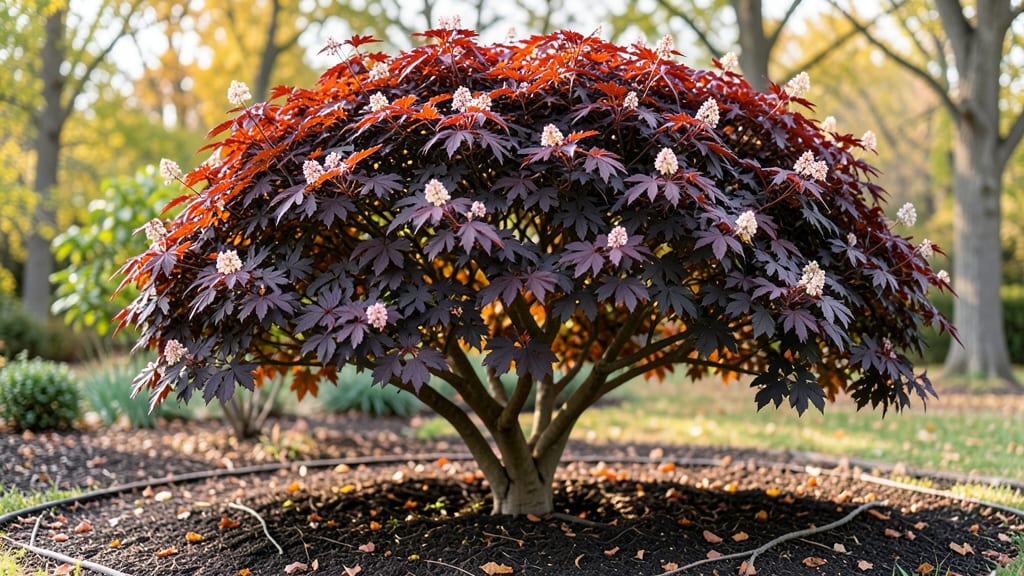
Creating a tree-form ninebark that stays elegant all year starts with the right cuts. ✂️ I’ve shaped mine into a small tree with a single trunk and layered branches—it’s the secret to that showstopping structure that never looks cluttered.
The key is pruning at the right time and knowing exactly where to trim to encourage that graceful, upright form.
This plant thrives in full sun to partial shade and handles most soil types, but it’s the pruning that turns it from a shrub into a small tree statement piece.
You’ll focus on removing lower branches to create that clean trunk, then thin out crowded stems to let light and air move through. The result? A plant that looks intentional, not accidental.
By late winter or early spring, your ninebark will reward you with new growth that’s shockingly lush, plus those delicate white flowers in spring and persistent berries that last into winter. The foliage even turns a stunning burgundy in fall—color you can count on season after season.
Works as a focal point in small yards, along driveways, or as a privacy screen with its 8-12 foot height. Let’s get those shears ready—your ninebark’s future self will thank you.
📚 In This Guide
- What you need
- Instructions
- Tips and common mistakes
- Wrapping up and next steps
What you need
- ● Pruning shears: Bypass pruners (sharp, 5–7" blades) for small branches.
- ● Loppers: 18–24" long for medium branches (1"–2" diameter).
- ● Pruning saw: Curved-tooth saw for thick branches (2"+ diameter).
- ● Gloves: Heavy-duty, cut-resistant gloves (e.g., Mechanix or leather).
- ● Disinfectant: 70% isopropyl alcohol or 10% bleach solution (1 part bleach to 9 parts water) to sterilize tools between cuts.
- ○ Pruning sealant: Optional but helpful for large cuts (e.g., Tanglefoot Tree Wound Pruning Seal).
- ● Extension pole: 6–10 ft with a saw attachment for high branches.
- ● Tarp or drop cloth: To collect debris and protect landscaping.
- ● Notebook & pen: For tracking pruning notes (e.g., branch sizes, dates).
- ● Safety gear: Safety glasses and ear protection if using a chainsaw.
- ● Ladder: Sturdy, extendable ladder (4–6 ft) for hard-to-reach areas.
- ● Rake or leaf blower: To clear debris after pruning.
- ● Plant food: Balanced fertilizer (e.g., 10-10-10) to revive the ninebark post-pruning.
- ● Check the weather: Prune on a dry, cloudy day to reduce stress on the plant.
- ● Identify dead/diseased branches: Look for dry, brown, or fungal growth—these go first!
- ● Gather inspiration: Sketch a rough outline of your desired shape (e.g., oval, vase, or natural form).
How to prune ninebark for a tree-like structure
Here's the method I use to shape ninebark into a beautiful, tree-like form that stays elegant all year.
✂️ Step 1: Identify and Select the Main Leader Stem
Look for the strongest, straightest central stem when your ninebark is 2-3 feet tall. This will be your main trunk. I often choose the stem that emerges slightly ahead of the others—it usually has the best upward growth habit. If multiple stems compete, select one and prune the others back to ½ inch above the soil line when they're still young.
Don't rush this step. Wait until spring when new growth begins, but before it gets too tall. A 4-6 inch leader stem is ideal for shaping early. You'll see the chosen stem naturally dominate as it grows, while the removed stems will send out new shoots from the base that you can prune later.
✂️ Step 2: Prune Lower Branches for a Clean Trunk
Once your main stem reaches 3-4 feet tall, start removing lower branches that grow below 2 feet from the ground. These branches create a "skirt" that looks better on shrub-form ninebark, but we want a tree-like silhouette. Use clean, sharp pruners to cut just above a bud or lateral branch that grows outward.
Remove 1-2 inches of growth from each branch you cut—this prevents stubs that can rot. You'll notice new shoots forming below where you pruned; these are normal and will eventually be pruned away as your tree form develops. The goal is to create a smooth, 2-foot trunk before the canopy begins.
☀️ Step 3: Shape the Canopy for Balance and Airflow
After establishing your trunk, focus on the upper branches. Aim for a rounded, vase-like shape with branches spaced 6-12 inches apart. Prune back any branches that grow inward or cross others—these create rubbing points that weaken the plant. Cut just above an outward-facing bud to encourage new growth in the right direction.
Step back occasionally to check your progress. The canopy should look full but not crowded. If a branch grows too long or leggy, prune it back by ⅓ to ½ to encourage bushier growth. I like to do this pruning in late winter or early spring before new growth begins—it's easier to see the structure without leaves.
⏰ Step 4: Maintain Structure Through Seasonal Pruning
Light pruning throughout the growing season keeps your ninebark looking its best. In early summer, trim back any new shoots that grow from the base or trunk to maintain a clean silhouette. These are called "suckers" and can ruin your tree form if left unchecked.
In fall, remove any dead, diseased, or weak branches. You'll also want to thin out the canopy slightly to improve airflow—this prevents fungal issues and keeps the plant healthy. A good rule is to never remove more than ¼ of the plant's total growth in one season. Your ninebark will reward you with vibrant foliage and exfoliating bark that stays beautiful year-round.
🌿 Step 5: Prune for Seasonal Interest and Health
Every 2-3 years, give your ninebark a more thorough pruning to maintain its shape and encourage new growth. Focus on removing older branches from the center of the plant to keep light and air circulating. These branches often produce less vibrant foliage and can harbor pests.
Watch for water sprouts—fast-growing, vertical shoots that appear after pruning. These are normal but should be pruned back immediately to ½ inch above a bud. The exfoliating bark of ninebark is one of its best features, so avoid heavy pruning that removes large sections of the trunk. With consistent care, your tree-form ninebark will develop a stunning, multi-season display that's the envy of the neighborhood.
Tips & tricks for perfect tree form ninebark
Transforming ninebark into a tree-like masterpiece takes patience—but these tricks make all the difference.
Timing is Everything: In Step 1, don't wait until your ninebark is too tall to select your leader stem. The ideal window is when it's 2-3 feet tall with new spring growth just beginning. I've seen gardeners wait too long, and suddenly they're dealing with multiple stubborn stems that refuse to cooperate. Choose your champion early, and you'll avoid future headaches. The 4-6 inch height guideline gives you that perfect balance between establishing dominance and allowing natural growth.
Precision Pruning Technique: When pruning lower branches in Step 2, always cut just above a bud or lateral branch growing outward. This isn't just about aesthetics—it's about encouraging healthy growth in the right direction. I've made the mistake of leaving stubs, and those little nubs can rot over time. Make clean cuts with sharp pruners, and you'll create those smooth, elegant branches that define a tree form. The 1-2 inch removal rule prevents those unsightly stubs while still allowing new shoots to emerge naturally.
Canopy Vision Check: Step back often when shaping your canopy in Step 3—literally. I can't tell you how many times I've stood right next to my ninebark, convinced it looked perfect, only to step back and realize it was lopsided. Aim for that 6-12 inch spacing between branches while maintaining that rounded, vase-like shape. The key is balance: full enough to look lush, but open enough for sunlight and air to circulate. This prevents those pesky fungal issues that can plague overcrowded canopies.
Seasonal Maintenance Strategy: Never remove more than ¼ of the plant's total growth in one season, as mentioned in Step 4. This rule prevents shock and keeps your ninebark thriving. I've learned this the hard way—after one aggressive pruning session, my plant took forever to recover. Instead, think of pruning as an ongoing conversation with your plant. Light touches in spring, summer, and fall keep it looking its best without overwhelming it. The 2-3 year thorough pruning schedule gives you time to assess and adjust gradually.
Pro Tips for Tree Form Ninebark
- Transforming ninebark into a tree-like masterpiece takes patience—but these tricks make all the difference.
- Timing is Everything: In Step 1, don't wait until your ninebark is too tall to select your leader stem.
- Precision Pruning Technique: When pruning lower branches in Step 2, always cut just above a bud or lateral branch growing outward.
Frequently asked questions
Got questions about growing and shaping tree-form ninebark? You’re not alone!
Here are answers to the most common queries to help you keep your plant thriving and looking its best.
When is the best time to prune tree-form ninebark?
Prune tree-form ninebark in late winter or early spring (before new growth starts) to shape it and remove dead wood. For light maintenance, you can also trim lightly in summer to encourage denser foliage. Avoid heavy pruning in fall, as it may stimulate tender new growth that could be damaged by frost.
How do I encourage a fuller, bushier tree-form ninebark?
To promote a bushier shape, prune just above a leaf bud (not a bare stem) when trimming back branches. Focus on selective thinning—remove no more than 25% of the plant’s growth in one season. For a denser center, trim back some of the oldest, woody stems to stimulate new growth from the base.
Why is my tree-form ninebark losing leaves or looking leggy?
Leggy growth or leaf loss often happens due to over-pruning or poor light. If your plant is in shade, move it to full sun to partial shade for better foliage. If you’ve pruned too aggressively, avoid heavy cuts next year and focus on shaping instead. Fertilize lightly in spring to encourage stronger regrowth.
Can I grow tree-form ninebark in containers, or is it better in the ground?
Tree-form ninebark can thrive in containers if the pot is at least 18-24 inches wide with drainage holes. Use well-draining soil and repot every 2-3 years. However, for long-term health and size, planting in the ground is ideal—it spreads wider and develops a stronger root system.
What are some good alternatives to tree-form ninebark for year-round structure?
If you love the structured, multi-season appeal of tree-form ninebark, consider:
Each offers unique textures and colors while maintaining year-round interest!
Wrapping up and next steps
Transforming your tree form ninebark into a stunning, year-round focal point is totally within reach—with the right tools, timing, and technique! 🌿 Whether you’re shaping it for the first time or refining its structure, patience and precision will reward you with a lush, sculpted beauty that thrives season after season.
Ready to see your garden glow?
Your next step? Grab your pruners, mark your calendar for late winter or early spring, and take that first confident cut. Watch your ninebark flourish—one branch at a time! 🌟