
Pruning
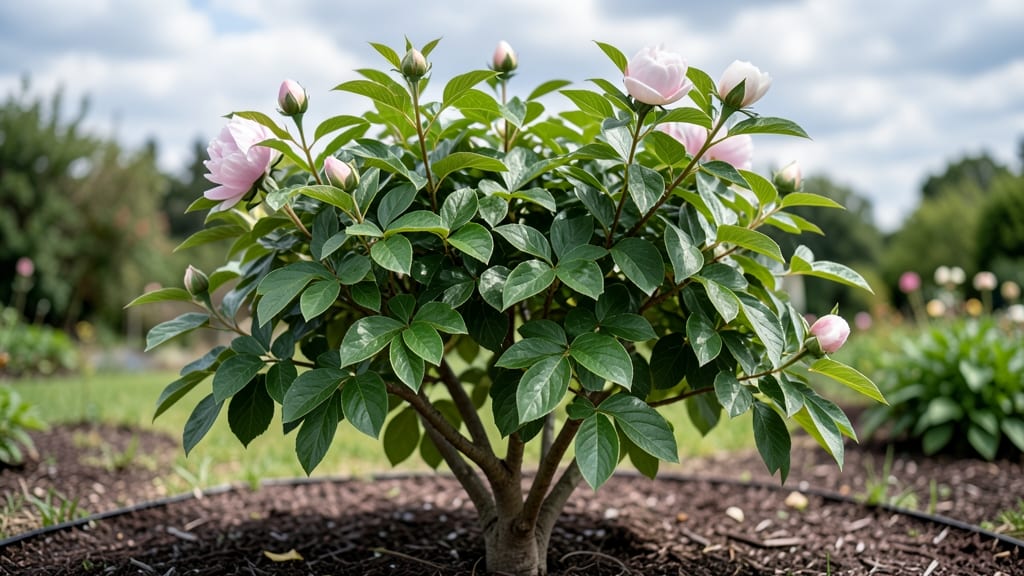
The tree peony leaf shape 🌸 is your secret key to spotting varieties at a glance—those deep, jagged lobes or smooth serrations tell you exactly which cultivar you’re looking at.
Struggling to tell your Paeonia suffruticosa varieties apart? The answer lies in their leaves—tree peony leaf shapes reveal stunning differences in lobing patterns, from delicate serrations to bold, jagged edges.
One glance at the foliage can distinguish ‘Shishi Gashira’ with its dramatic cuts from ‘Koyo Nishiki’, whose leaves look almost lace-like.
These leaf shapes aren’t just for show—they’re a health barometer. A peony with drooping or yellowing leaves might signal overwatering, while crisp, upright foliage means your plant is thriving in Zone 6a’s spring sunshine.
Even the way leaves unfurl in early spring can hint at the variety’s growth vigor.
Below, I’ll walk you through how to read these leaf patterns like a pro, which cultivars stand out for their foliage, and how to keep those stunning shapes looking their best year after year.
How to identify tree peony leaf shapes by lobing patterns
Tree peonies (Paeonia suffruticosa) are stunning for their flowers, but their leaf shapes offer a hidden key to identifying varieties. The lobing patterns vary dramatically—some leaves resemble delicate lace, while others boast bold, jagged edges.
Understanding these differences helps you distinguish cultivars like 'Shishi Gashira' from 'Koyo Nishiki', even before flowers bloom. I’ve spent years studying these patterns, and the variations are truly eye-opening!
Leaf lobing isn’t just about aesthetics—it also reflects a plant’s hardiness and growth habits. For example, varieties with deeply divided lobes often handle colder climates better, while those with shallow serrations may thrive in milder zones.
Let’s dive into the five most distinctive lobing patterns you’ll encounter in tree peonies, complete with visual comparisons to help you spot the differences in your garden.
When examining tree peony leaves, always check the lobe depth first—this is the quickest way to narrow down varieties. For instance, P. 'Shishi Gashira'’s leaves look almost thorny, while P. 'Koyo Nishiki'’s are so smooth they could be mistaken for herbaceous peonies at first glance.
Pro tip: Hold the leaf up to a bright light to see the texture—some varieties, like P. 'Banksii', have a silvery sheen that’s unmistakable.
Don’t overlook the leaf arrangement either. Tree peonies typically have alternate leaves along the stem, but the way they cluster at branch tips can also hint at the variety.
For example, P. 'Hong Yan' often has leaves that twist slightly as they mature, while P. 'Yuetsuki'’s leaves grow in a more upright, fan-like pattern. These subtle differences become clearer once you’ve compared several varieties side by side.
Seasonal changes can also alter leaf shapes. In early spring, new growth often appears less lobed until the plant matures. By late summer, however, the full lobing pattern emerges, making identification much easier.
This is why I recommend pruning in late fall—it lets you study the leaves before winter dormancy sets in. Just avoid cutting back green growth
Best tree peony varieties for unique leaf displays
Tree peonies (Paeonia suffruticosa) aren't just about their stunning blooms—their leaves create a visual spectacle too. The leaf shape varies dramatically between varieties, offering year-round interest from their intricate lobing patterns.
Whether you love silver-blue foliage or deeply divided lobes, these cultivars will transform your garden into a foliage lover's paradise.
From the elegant serrations of P. 'Koyo Nishiki' to the bold jagged edges of P. 'Hong Yan', each variety brings something unique. These differences aren't just decorative—they also influence disease resistance and growth habits.
Let's explore the top 7 tree peony varieties that will make your garden stand out through their foliage alone.
At the top of my list is P. 'Banksii', with its silver-blue foliage that shimmers in sunlight. This variety's leaves have shallow serrations and a soft texture, creating a striking contrast against its pink blooms.
The foliage maintains its color well into fall, giving you extended seasonal interest.
For dramatic foliage, P. 'Hong Yan' delivers with its deeply divided lobes that resemble maple leaves. These leaves have bold, jagged edges and turn a rich bronze color in autumn, making it a standout variety for foliage gardens. Its red-purple flowers add another layer of visual appeal.
Don't overlook P. 'Shishi Gashira' either—this cultivar features deeply lobed leaves with rounded edges that create a feathery appearance. The leaves emerge bronze-green before maturing to a deep green, providing seasonal color changes that keep your garden dynamic.
If you prefer fine-textured foliage, P. 'Koyo Nishiki' is perfect with its delicate serrations and soft lobes. This variety's leaves have a wavy appearance that adds movement to your garden. Its white flowers with yellow centers complement the foliage beautifully.
For a compact yet striking option, try P. 'Yuetsuki', known for its smaller leaves with moderate lobing. The foliage has a smooth texture and maintains a vibrant green throughout the season. Its double pink flowers make it a garden favorite.
These foliage-focused varieties prove that tree peonies are more than just spring bloomers. Their unique leaf shapes and seasonal color changes provide year-round interest, making them a must-have for any garden that values textural diversity. 🌿