
Plants
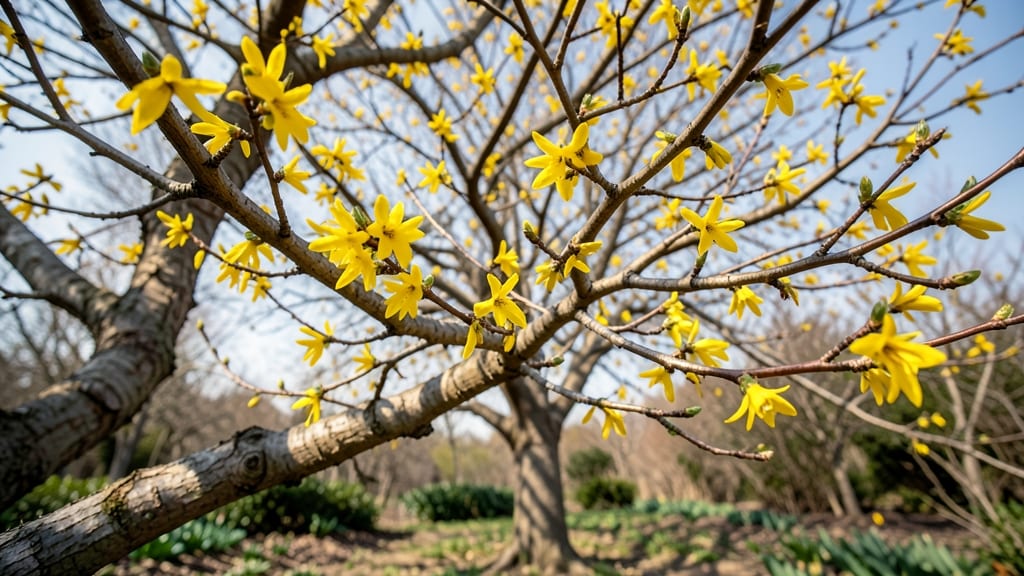
Transform your garden into a fragrant paradise with these 10 trees that naturally emit lilac-like scents. Perfect for attracting pollinators and creating sensory-rich outdoor spaces, these varieties offer year-round beauty and aromatic charm.
Japanese Lilac Tree (Syringa reticulata)
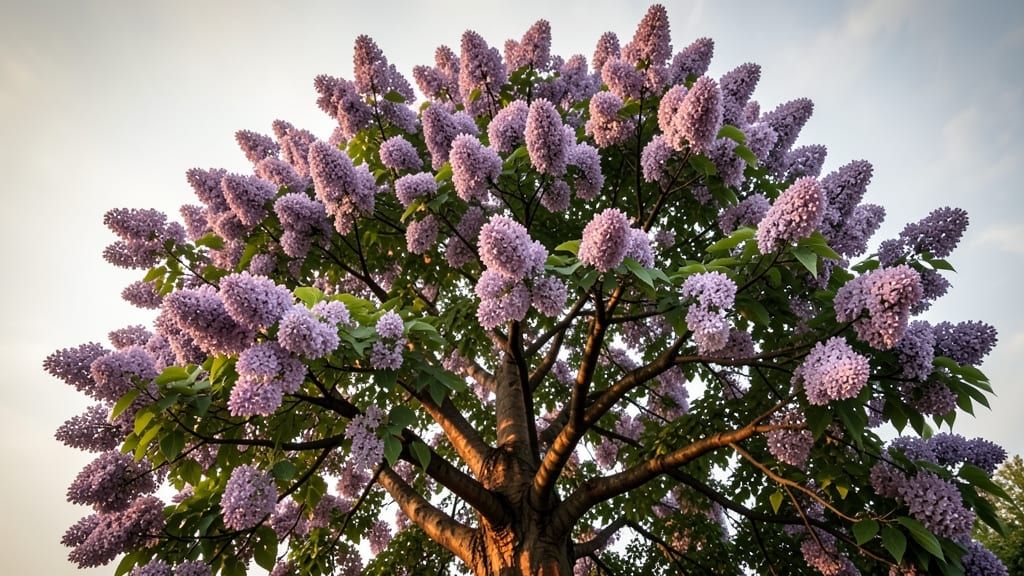
Craving the classic lilac fragrance but want something more dramatic? The Japanese Lilac Tree (Syringa reticulata) delivers the most authentic, intoxicating scent of any lilac variety, with large, dense panicles that perfume the air in late spring. Unlike its common lilac cousin, this tree produces longer-lasting blooms that attract swarms of bees and butterflies—making it a pollinator magnet.
Thriving in USDA zones 4-8, this deciduous tree handles both cold winters and hot summers with ease, preferring full sun to partial shade and well-drained soil. Its dark purple flowers (often 8-12 inches long!) open in late May or June, releasing a fragrance so strong it can be smelled from 20 feet away. For best results, plant it as a specimen tree in lawns or along pathways where you can fully appreciate its scent and stature.
Perfect for gardeners who love low-maintenance, high-impact plants, this tree also adds year-round interest with its peeling bark in winter. If you're dreaming of a garden that smells like childhood memories, this is the lilac for you. 🌟
Mock Orange Tree (Philadelphus coronarius)
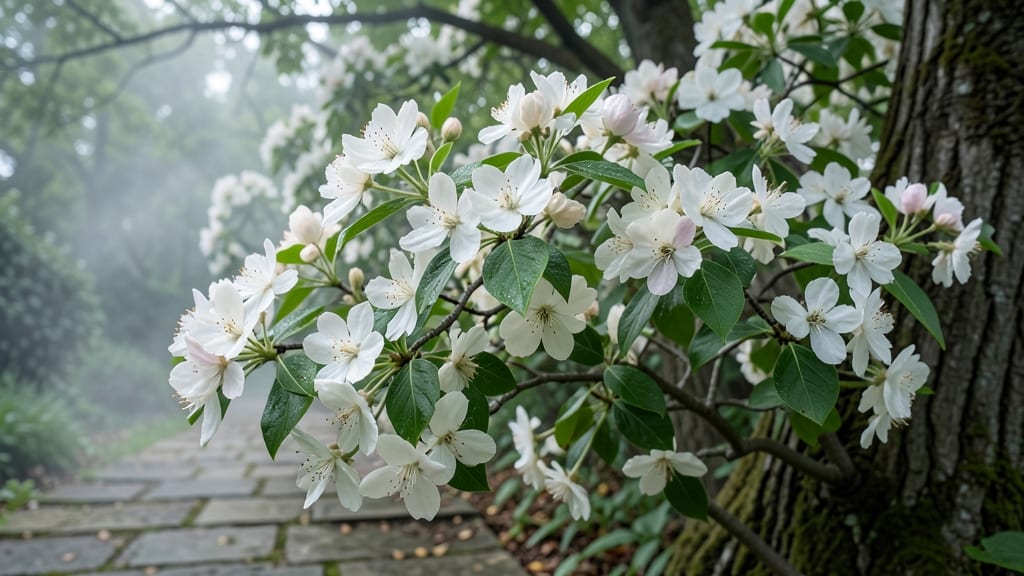
If you crave the intoxicating scent of orange blossoms but want a lilac-like fragrance that’s easier to grow, the mock orange tree (Philadelphus coronarius) delivers. Its white, four-petaled flowers burst with a heady aroma that lingers in the air—perfect for small spaces where you want sensory impact without bulk.
This drought-tolerant shrub thrives in partial sun (4-6 hours daily) and blooms from late spring through summer, often reblooming in fall. Its compact size (6-10 feet tall) makes it ideal for containers, borders, or urban gardens, while its nearly scent-free foliage ensures the fragrance stays focused on the flowers. Prune lightly after blooming to encourage bushier growth.
Urban gardeners and small-space enthusiasts will love how this low-maintenance plant fills the air with sweetness without demanding attention. Plant it near patios or windows for effortless fragrance enjoyment. 🌻
Fringe Tree (Chionanthus virginicus)
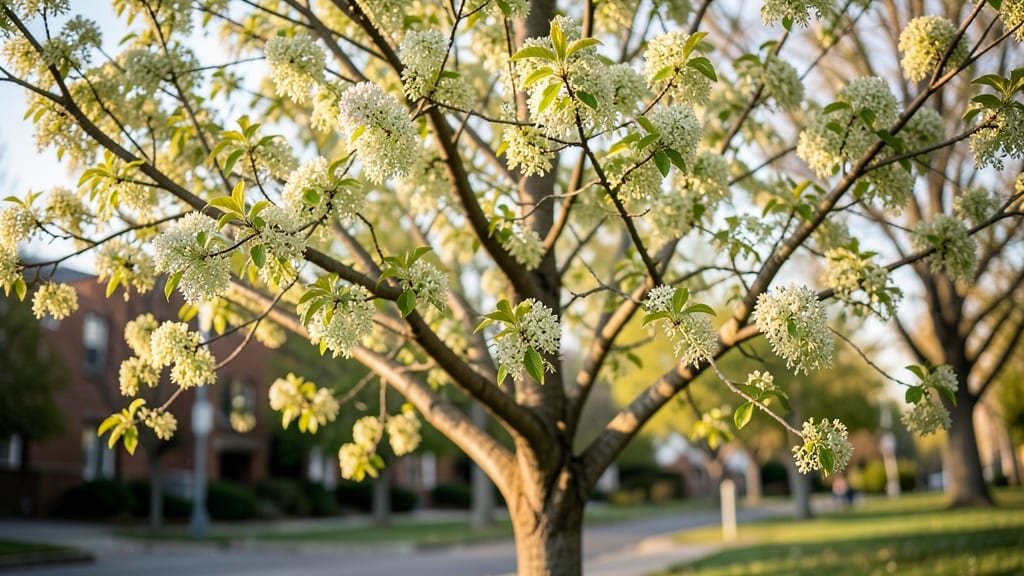
Looking for a low-maintenance tree that fills your garden with a sweet, lilac-and-jasmine fragrance? The fringe tree (Chionanthus virginicus) is your answer—a native North American beauty that thrives in urban spaces and pollinator gardens with minimal fuss.
This versatile tree blooms in late spring with delicate, white fringe-like flowers that release their intoxicating scent in the evening, drawing in bees, butterflies, and hummingbirds. It adapts to urban conditions, tolerating heat, drought, and even poor soil, making it ideal for city landscapes. With its smooth gray bark and glossy green foliage, it adds year-round interest.
Perfect for beginners or busy gardeners, the fringe tree requires little pruning and handles both sun and partial shade. Plant it as a specimen or along driveways for a fragrant, pollinator-friendly focal point. 🌿
Lilac Bush (Syringa vulgaris)
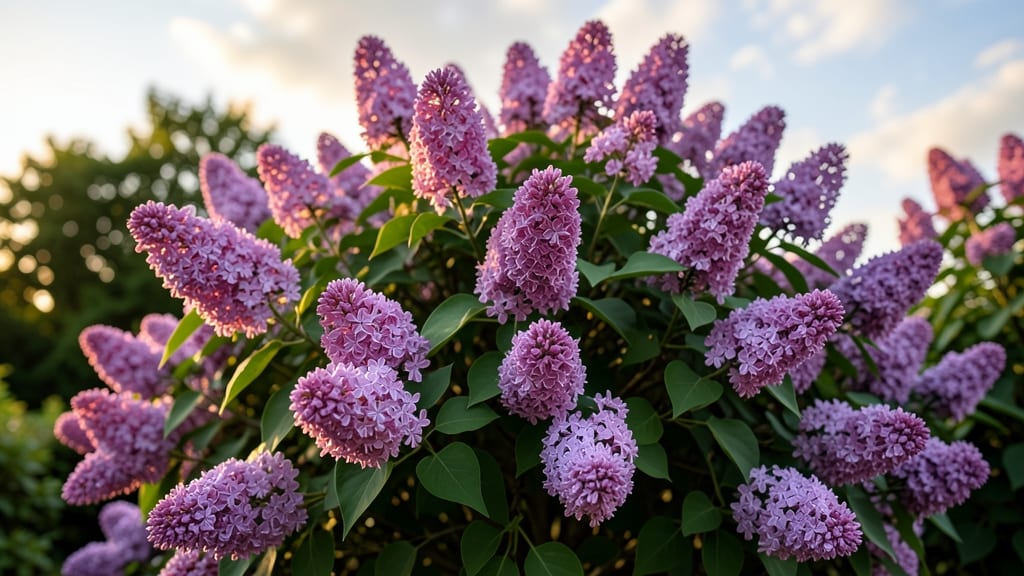
The lilac bush (Syringa vulgaris) is the quintessential fragrant garden classic, offering iconic purple blooms and a signature scent that transforms any yard into a sensory haven. Unlike its Japanese cousin, this versatile shrub comes in dozens of varieties, from dwarf types perfect for containers to towering specimens ideal for hedges or specimen planting.
Choose from early bloomers like 'Sensation Lilac' (May) or late-season varieties such as 'President Lincoln' (June-July) to extend your fragrance season. These shrubs thrive in full sun to partial shade and are drought-tolerant once established, making them low-maintenance stars for pollinator gardens. Prune immediately after flowering to maintain shape and encourage next year's blooms.
Perfect for cottage gardens, urban landscapes, or as a focal point along walkways, lilacs bring nostalgia and charm with minimal effort. Their bees and butterflies love them too! 🌷
Deutzia Tree (Deutzia gracilis)
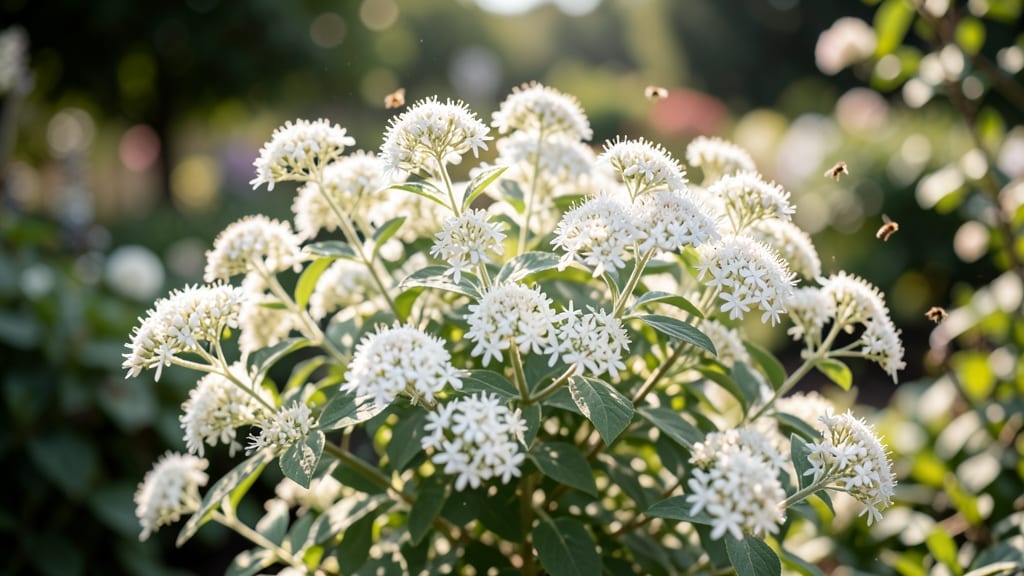
If you love the classic lilac scent but want something more compact and versatile, Deutzia gracilis delivers all the fragrance with none of the fuss. This low-maintenance shrub produces delicate clusters of white, lilac-scented flowers that bloom in late spring, filling your garden with a sweet, familiar aroma without requiring full sun.
Thriving in partial shade, this shrub is perfect for hedges, borders, or woodland gardens where other plants might struggle. It tolerates a wide range of soil types and only needs occasional pruning to maintain its shape. The compact size (3-5 feet tall and wide) makes it ideal for urban gardens, containers, or tight spaces.
Urban gardeners and beginners will appreciate its minimal care requirements and pollinator-friendly blooms. Plant it near seating areas to enjoy the fragrance up close. 🌿
Weigela Tree (Weigela florida)
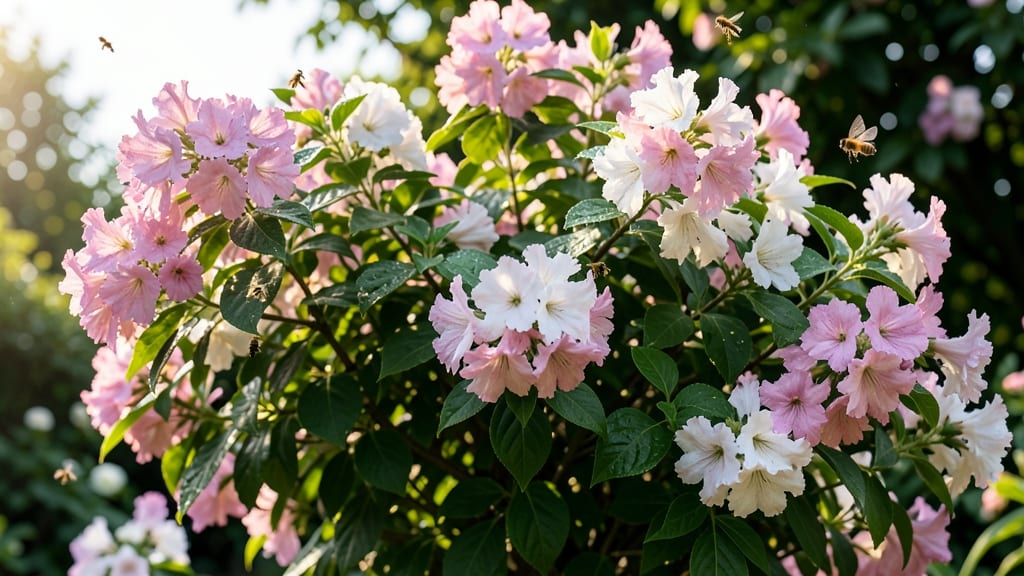
Looking for a fragrant shrub that doubles as a pollinator magnet? Weigela florida delivers vibrant pink and white trumpet-shaped blooms with a sweet lilac-like scent that fills the air from late spring through summer.
This versatile shrub thrives in full sun to partial shade and handles a range of soil types, making it perfect for both urban gardens and rural landscapes. The red stems add winter interest, while hummingbirds and butterflies flock to its nectar-rich flowers. Prune lightly after blooming to maintain shape and encourage next year's flowers.
Ideal for gardeners who want year-round interest with minimal fuss, Weigela's adaptability makes it a standout choice for wildlife-friendly yards. 🌻
Daphne Tree (Daphne odora)
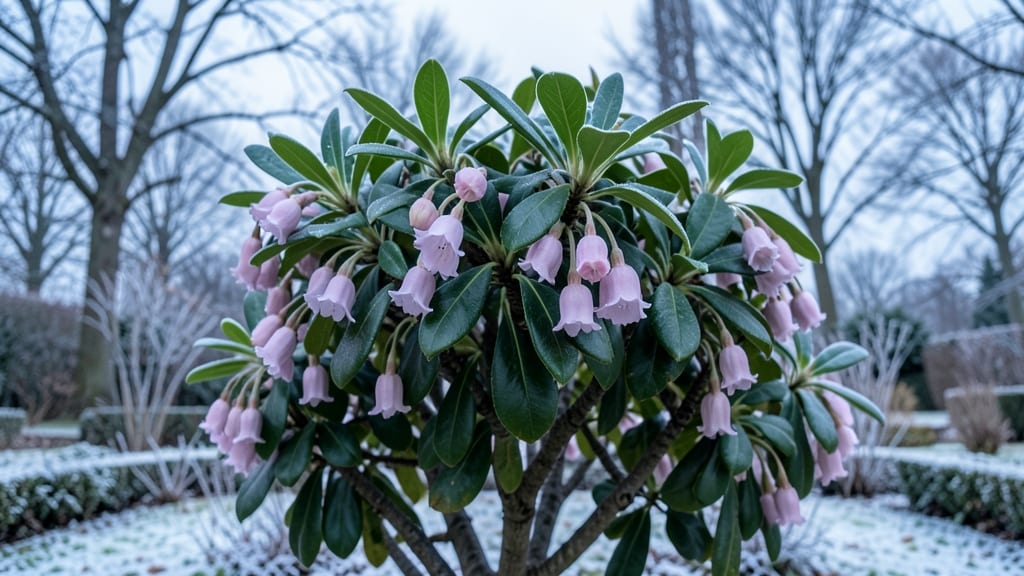
When winter's chill makes other gardens feel lifeless, the Daphne odora emerges as a fragrant hero. This winter-blooming evergreen bursts into clusters of pale pink flowers that smell like lilacs, filling cold air with a sweet, intoxicating scent that rivals spring's best. Unlike its spring-blooming cousins, this tree rewards you with fragrance when most gardens are dormant.
Thriving in USDA zones 7-9, this compact shrub (3-6 feet tall) prefers partial shade and well-draining soil. Its glossy dark green leaves provide year-round structure, while winter blooms appear from December through March, creating a sensory experience that's unmatched. Prune lightly after flowering to maintain shape—avoid heavy cuts, as it blooms on old wood.
Perfect for small gardens, containers, or as a fragrant hedge, Daphne odora brings life to winter landscapes while requiring minimal care. Gardeners in cooler climates will especially appreciate its ability to transform bleak months into aromatic memories. 🌷
Abelia Tree (Abelia x grandiflora)
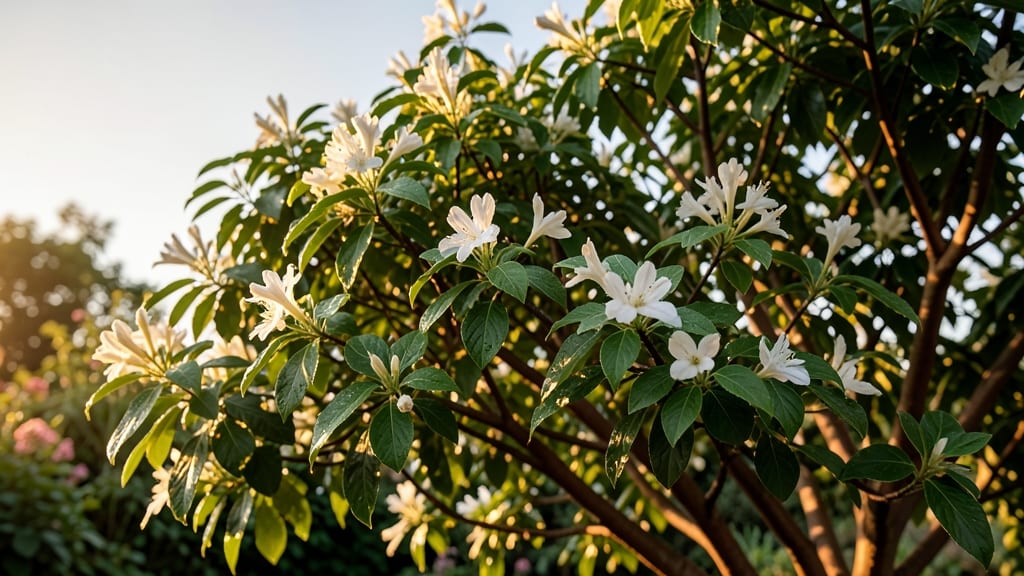
If you love the scent of lilacs but want a plant that thrives in the heat and humidity of southern climates, the Abelia Tree (Abelia x grandiflora) is your perfect match. This semi-evergreen shrub produces delicate white flowers that release a sweet fragrance reminiscent of both lilacs and honeysuckle, making it a standout for sensory gardens.
Unlike many fragrant trees that struggle in hot summers, Abelia flourishes in full sun to partial shade and tolerates drought once established. Its glossy, dark green leaves stay attractive year-round, and the flowers bloom from late spring through fall, providing a long-lasting display. This versatile shrub also attracts pollinators like bees and butterflies, making it a pollinator-friendly addition to any landscape.
Ideal for gardeners in USDA zones 6-9, Abelia is perfect for hedges, borders, or as a specimen plant. Its low-maintenance nature and ability to thrive in tough conditions make it a favorite for both beginners and experienced gardeners alike. 🌿
Pieris Japonica (Japanese Andromeda)
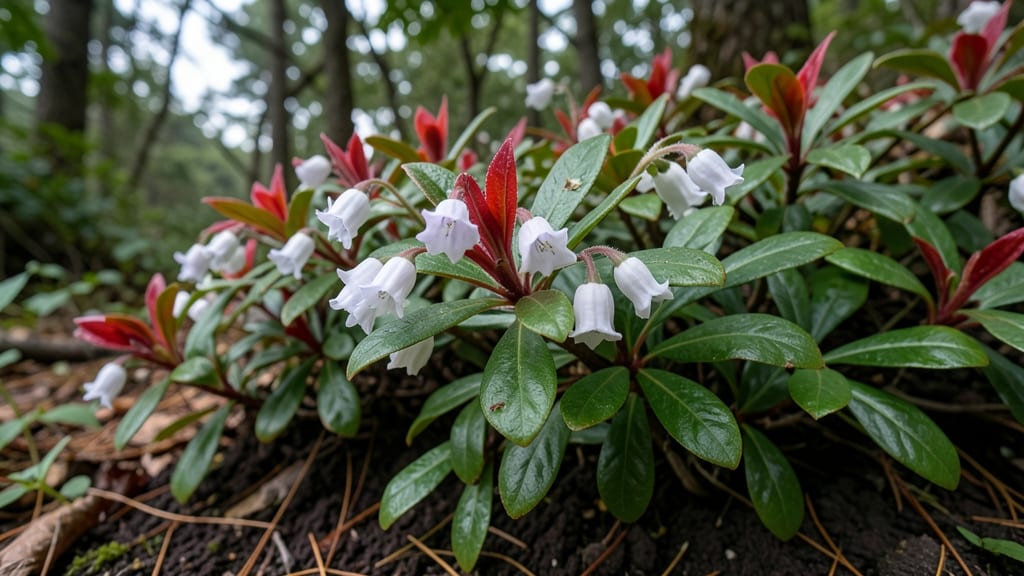
Looking for a fragrant evergreen that thrives where others struggle? Pieris japonica—or Japanese Andromeda—delivers lilac-like perfume from delicate white bell flowers while handling acidic soils and shade like a pro. Its springtime red new growth adds a striking pop of color before the blooms even appear.
This versatile shrub blooms in early spring, often before leaves fully emerge, and prefers partial shade to full sun—ideal for woodland gardens or understory plantings. Prune lightly after flowering to maintain shape, and enjoy its pollinator-friendly nature as bees and butterflies visit the fragrant blossoms. Varieties like 'Little Heath' stay compact, perfect for containers.
Gardeners in USDA zones 5-8 will love its year-round structure, while those with acidic soil or limited sun options finally have a low-maintenance, fragrant solution. 🌱
Forsythia Tree (Forsythia x intermedia)

Looking for a cheerful way to announce spring before other plants even think about blooming? The Forsythia x intermedia delivers with its bright yellow flowers that burst into view as soon as winter loosens its grip. Unlike traditional lilacs, this tree offers a subtle yet distinct lilac-like fragrance that pollinators adore, making it a standout early-season performer.
This deciduous shrub thrives in full sun to partial shade and handles a wide range of soils, including clay and sandy mixes. Prune immediately after flowering to maintain shape and encourage next year’s blooms. With its fast growth habit, it quickly becomes a focal point in borders or as a standalone specimen.
Perfect for beginner gardeners and pollinator enthusiasts, forsythia’s vibrant color and fragrance create instant curb appeal while supporting bees and butterflies in early spring. 🌻