
Flowers
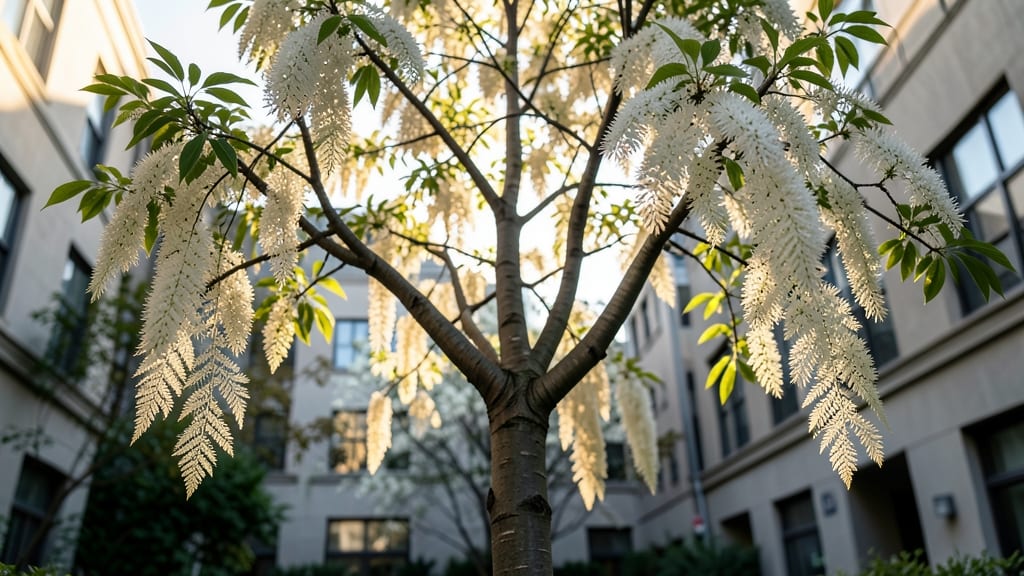
Craving fragrant privacy without sacrificing beauty? These 10 trees mimic honeysuckle’s intoxicating blooms while offering year-round structure, seasonal interest, and low-maintenance charm for any landscape.
Japanese Honeysuckle Tree (Lonicera japonica)
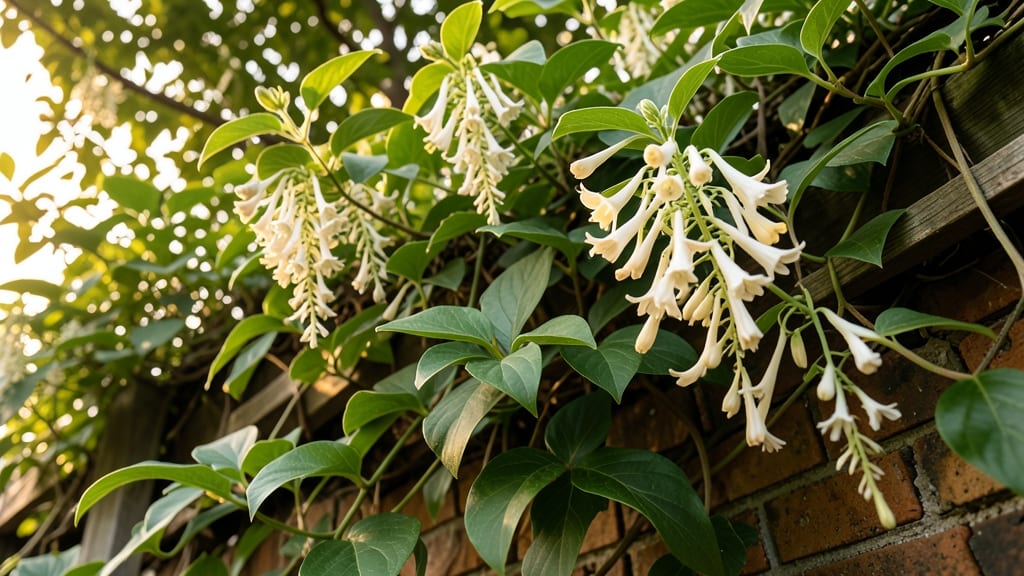
If you love the scent of traditional honeysuckle but need a low-maintenance, space-saving alternative, the Japanese honeysuckle tree (Lonicera japonica) delivers all the romance without the sprawl. This vigorous climber produces tubular white flowers with a heady, sweet fragrance that fills summer air—perfect for small yards or urban balconies.
Unlike its invasive cousin, this variety thrives when trained on trellises, arbors, or chain-link fences, reaching heights of 20-30 feet while staying contained. It blooms prolifically from late spring to early fall, attracting hummingbirds and butterflies. For best results, plant in full sun to partial shade and water moderately—once established, it handles drought surprisingly well.
Urban gardeners and small-space enthusiasts will love how this plant transforms blank walls into fragrant living tapestries. Just be prepared for its rapid growth—prune annually to maintain your desired shape. 🌿
Wisteria Tree (Wisteria sinensis)
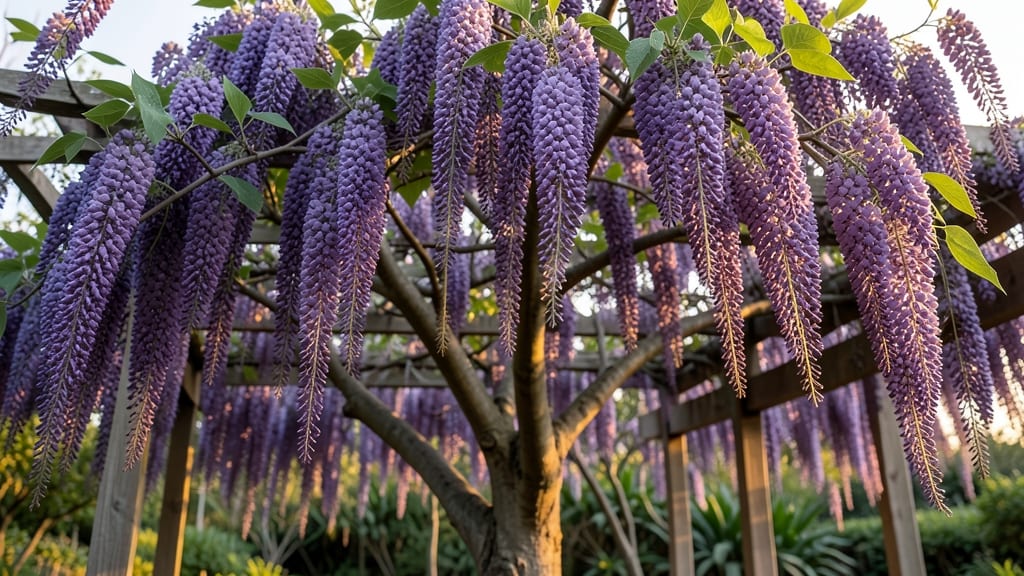
If you dream of a garden feature that smells like honeysuckle but with dramatic purple cascades, Wisteria sinensis delivers. Unlike its viney cousin, this tree offers structural elegance with long, graceful branches that can be trained over pergolas or left to weep naturally from a strong central trunk.
Plant wisteria in full sun with well-draining soil, and be patient—it takes 3-5 years to establish before those fragrant, grape-like clusters of lavender blooms appear in late spring. Prune aggressively in winter to control vigor and encourage flowering, but never cut back more than 1/3 of the growth at once. The scent, while not as intense as true honeysuckle, has a sweet, intoxicating quality that fills the air on warm days.
Perfect for cottage gardeners or those seeking a romantic arbor focal point, wisteria thrives with minimal care once established. Just ensure you have strong support structures—those heavy blooms can weigh branches down over time! 🌷
Forsythia (Forsythia x intermedia)
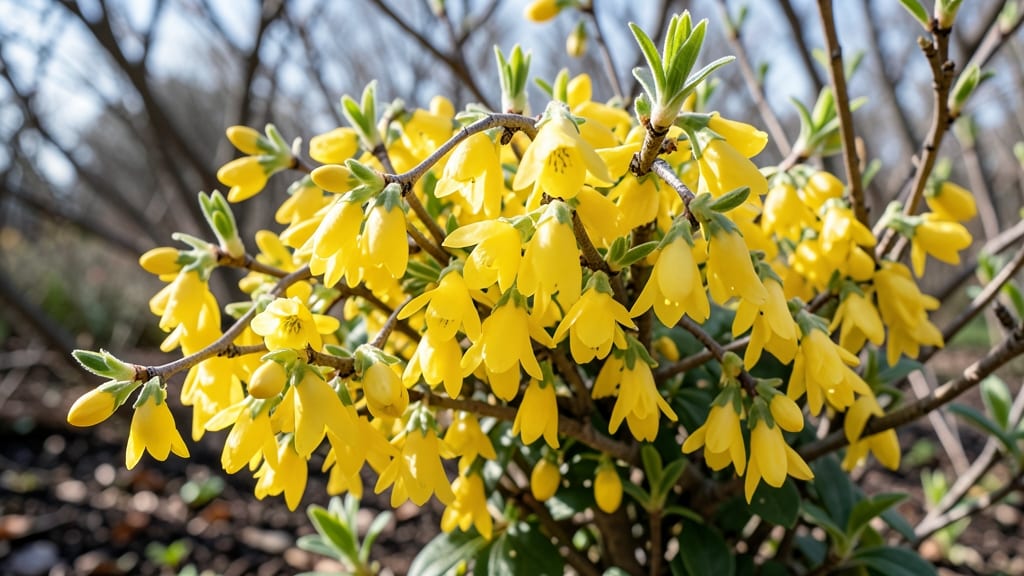
While most gardens are still waking from winter, forsythia (Forsythia x intermedia) bursts into life with its bright yellow bell-shaped flowers, creating a cheerful spectacle that’s uniquely fragrant for a deciduous shrub. Unlike its climbing or woody counterparts, this hybrid thrives as both a shrub and small tree, making it versatile for borders, hedges, or even as a standalone focal point.
Plant it in full sun to partial shade and expect blooms in late winter to early spring, often before leaves emerge. Prune immediately after flowering to maintain shape and encourage next year’s display. Its drought-tolerant nature and adaptability to urban settings make it a low-maintenance choice for gardeners who want early color with minimal fuss.
Perfect for beginners or urban gardeners, forsythia delivers instant curb appeal when other plants are still dormant. 🌱
Mock Orange Tree (Philadelphus coronarius)
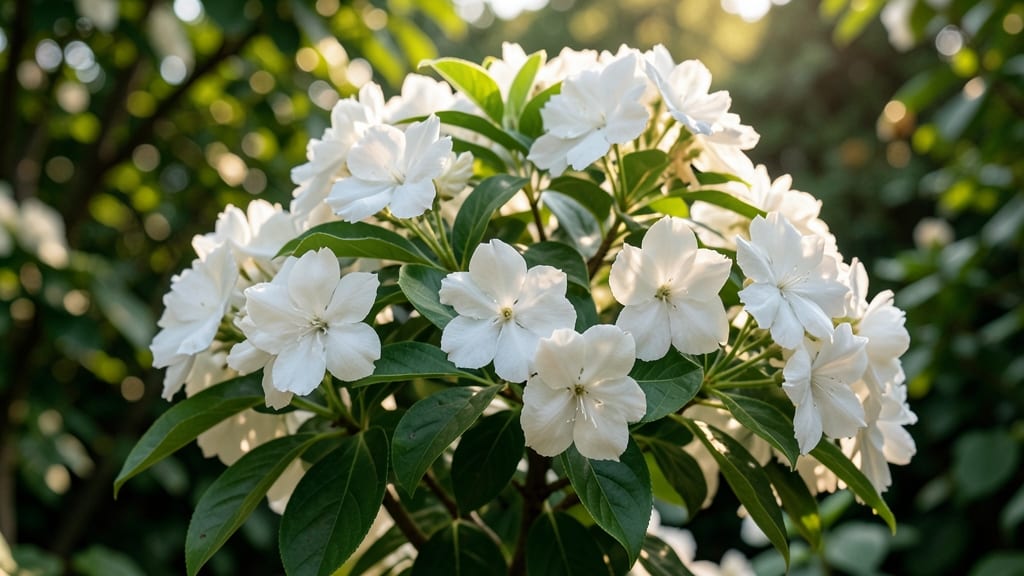
If you crave the intoxicating scent of orange blossoms but lack the space for a full-sized citrus tree, the mock orange tree (Philadelphus coronarius) delivers the same fragrant magic in a compact package. Its clusters of four-petaled white flowers release a citrusy aroma that’s stronger than its name suggests, making it a standout for small gardens or patio containers.
This drought-tolerant shrub thrives in full sun to partial shade and grows 6–10 feet tall, making it ideal for tight spaces. Prune lightly after flowering to maintain shape, and enjoy blooms from late spring to early summer. The glossy green leaves add year-round interest, while its adaptability to containers lets you place it near seating areas for maximum enjoyment.
Perfect for urban gardeners or anyone with limited space, the mock orange tree brings old-world charm without the maintenance of larger specimens. 🌷
Deutzia (Deutzia gracilis)
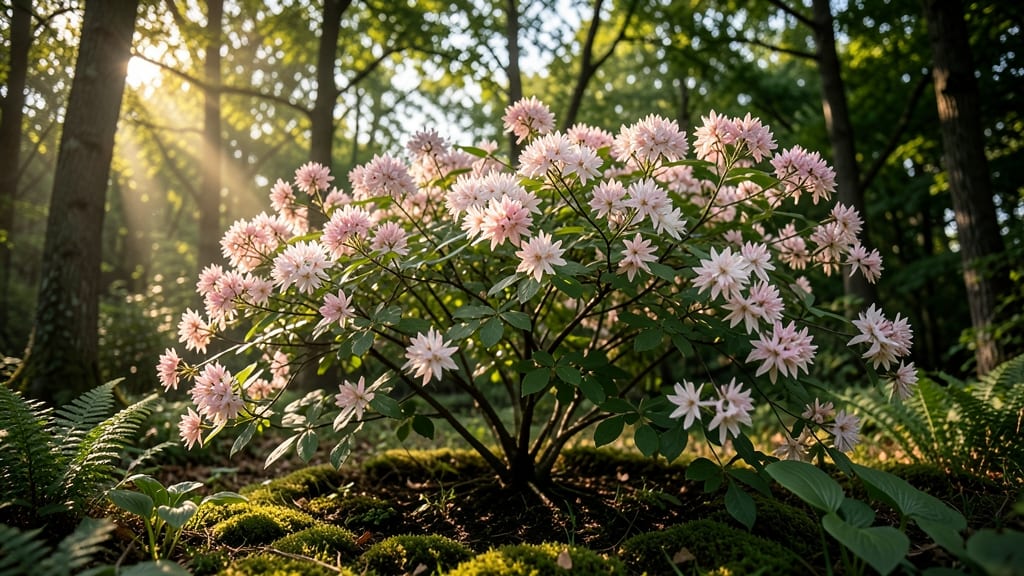
If you dream of a fragrant garden that thrives in shady spots, Deutzia gracilis delivers a sweet surprise. This deciduous shrub produces clusters of delicate, star-shaped flowers in soft pink or white, releasing a subtle honeysuckle-like scent that lingers on warm breezes.
Perfect for woodland gardens or understory planting, it flourishes in partial shade to full sun and tolerates a range of soil types, including clay. Prune lightly after flowering to maintain shape, and watch it reward you with late spring to early summer blooms that attract pollinators.
Ideal for gardeners seeking low-maintenance fragrance in shady corners, this shrub adds texture and color without demanding full sun. 🌷
Japanese Snowbell (Styrax japonicus)
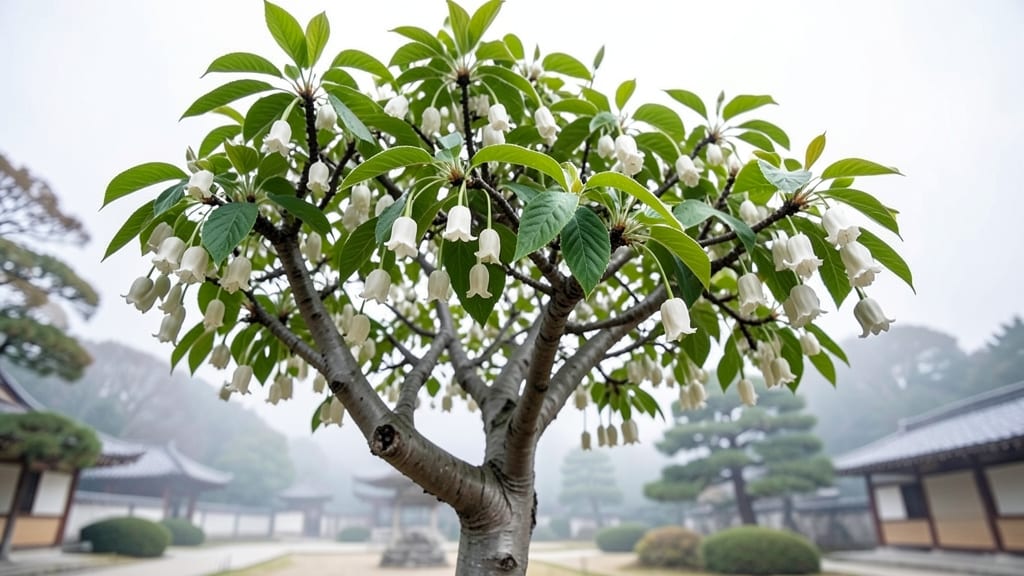
If you love the delicate charm of honeysuckle but want a slow-growing yet long-lived tree for formal gardens, Japanese Snowbell (Styrax japonicus) delivers with its bell-shaped white flowers and subtle honey scent. Unlike fast-growing climbers, this tree matures gracefully over decades, making it perfect for specimen planting or as a focal point in structured landscapes.
The fragrant blooms appear in late spring to early summer, dangling elegantly from branches that develop a smooth, silvery bark with age. It thrives in partial shade to full sun and tolerates a range of soils, though it prefers well-drained conditions. Prune lightly after flowering to maintain its natural, upright form—ideal for traditional or cottage-style gardens.
Gardeners seeking a low-maintenance yet refined alternative to honeysuckle will appreciate its year-round interest, from spring flowers to autumn color. Perfect for those who value elegance over speed! ✨
Weigela (Weigela florida)
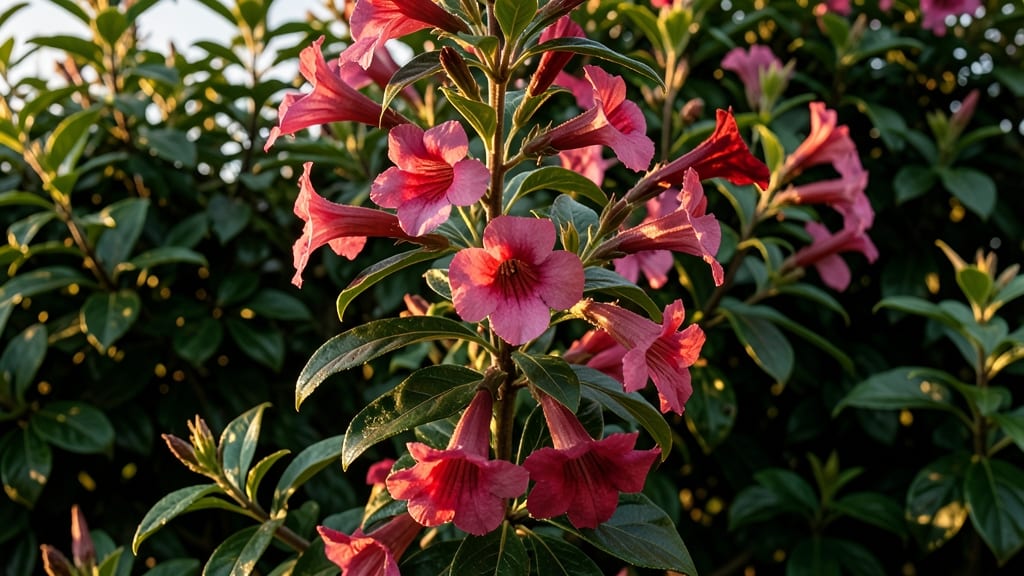
Want a low-maintenance shrub that adds vertical drama to your garden while luring hummingbirds? Weigela florida delivers trumpet-shaped pink or red blooms that stand out against dark green foliage, creating a striking focal point without the fuss.
This hardy deciduous shrub thrives in full sun to partial shade and tolerates a wide range of soils, making it ideal for beginners or busy gardeners. Prune lightly after flowering to maintain shape, and watch as it attracts pollinators all season long. Plant in mixed borders or as a hedge for year-round structure.
Perfect for cottage gardens or urban landscapes, Weigela florida offers four-season interest with its vibrant blooms, colorful fall foliage, and winter stems. 🌻
Clematis (Clematis montana)
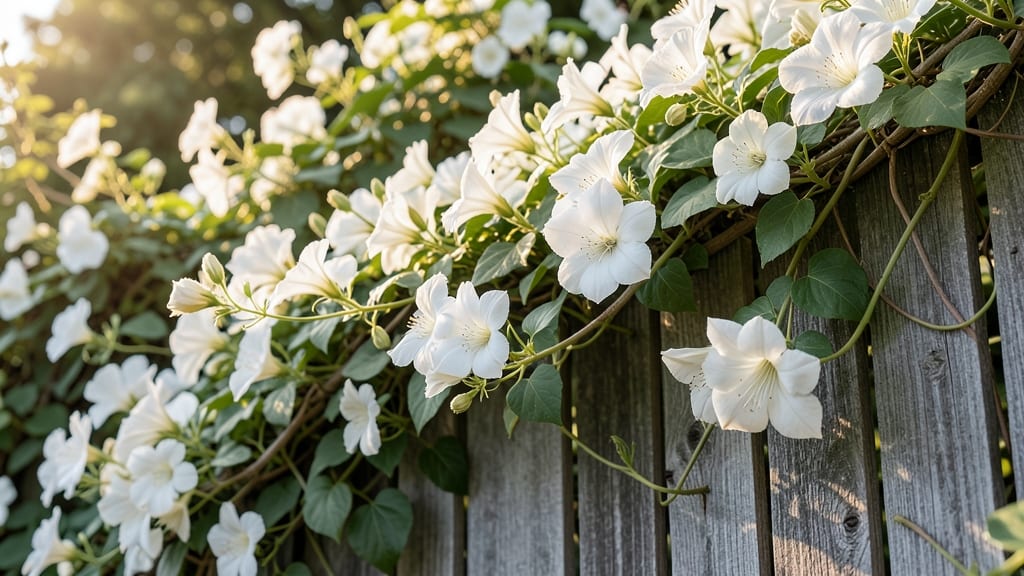
Want a fragrant, fast-growing screen that transforms bare fences into lush, romantic backdrops? Clematis montana delivers honeysuckle-like white blooms with a sweet, intoxicating scent—perfect for creating privacy without sacrificing beauty.
This vigorous climber grows 10-15 feet per year, quickly covering arbors, trellises, or chain-link fences with its semi-evergreen foliage. Plant it near patios or seating areas to enjoy its fragrance up close, and pair it with sun-loving perennials at its base to mask the woody stems. Prune lightly after flowering to encourage more blooms next season.
Urban gardeners and small-space planners will love how Clematis montana delivers instant vertical interest while attracting pollinators. Its early spring blooms also make it a standout for seasonal color. 🌻
Lilac Tree (Syringa vulgaris)
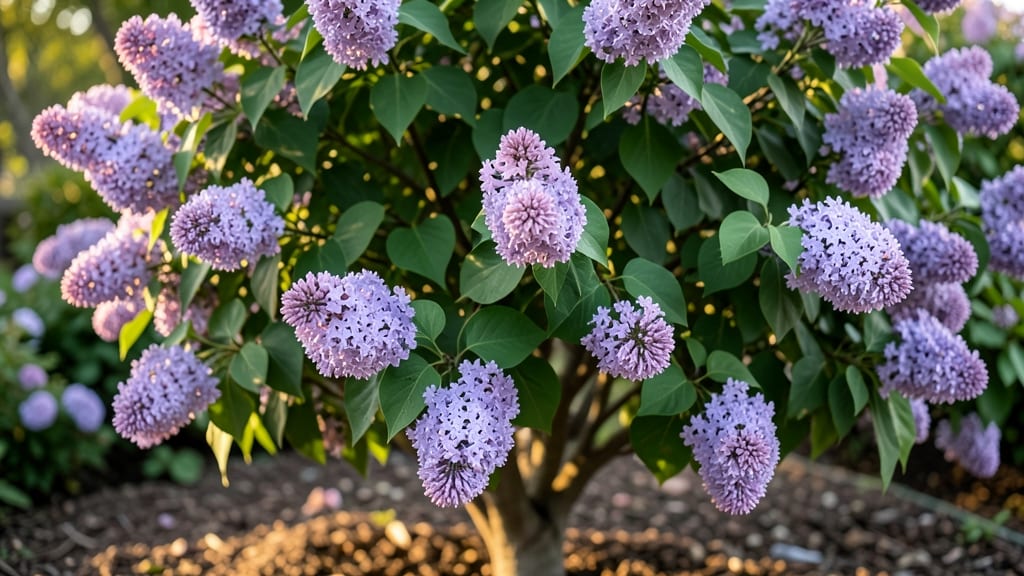
Looking for a fragrant foundation plant that doubles as a cutting garden? The lilac tree (Syringa vulgaris) delivers honeysuckle-like clusters of intoxicating blooms while offering disease-resistant varieties that thrive in almost any climate.
Plant lilacs in full sun to partial shade and well-drained soil for vibrant purple, pink, or white flower spikes that hummingbirds and bees adore. Prune immediately after blooming to maintain shape and encourage next year’s flowers. Their compact growth habit makes them perfect for borders, while their long vase life means you’ll enjoy fresh-cut bouquets all season.
This classic tree is a must-have for beginners and veteran gardeners alike—its low-maintenance nature and year-round structure make it a timeless addition to any landscape. 🌷
Fringe Tree (Chionanthus virginicus)

Looking for a drought-tolerant tree that adds delicate beauty to your urban landscape without demanding constant care? The fringe tree (Chionanthus virginicus) delivers white fringe-like flowers with a subtle honeysuckle-like scent, making it a standout for pollinators and low-maintenance gardeners alike.
This native North American tree thrives in full sun to partial shade and handles heat and dry spells with ease, requiring minimal water once established. Its spring blooms attract bees and butterflies, while its glossy dark green leaves provide year-round interest. Perfect for small yards, streetscapes, or pollinator gardens, it grows 15–25 feet tall with a rounded canopy.
Urban gardeners and native plant enthusiasts will love its adaptability—it tolerates clay soil, pollution, and even road salt, making it ideal for tough city conditions. Plant one to add texture and fragrance to your landscape with almost no fuss. 🌱