
Flowers
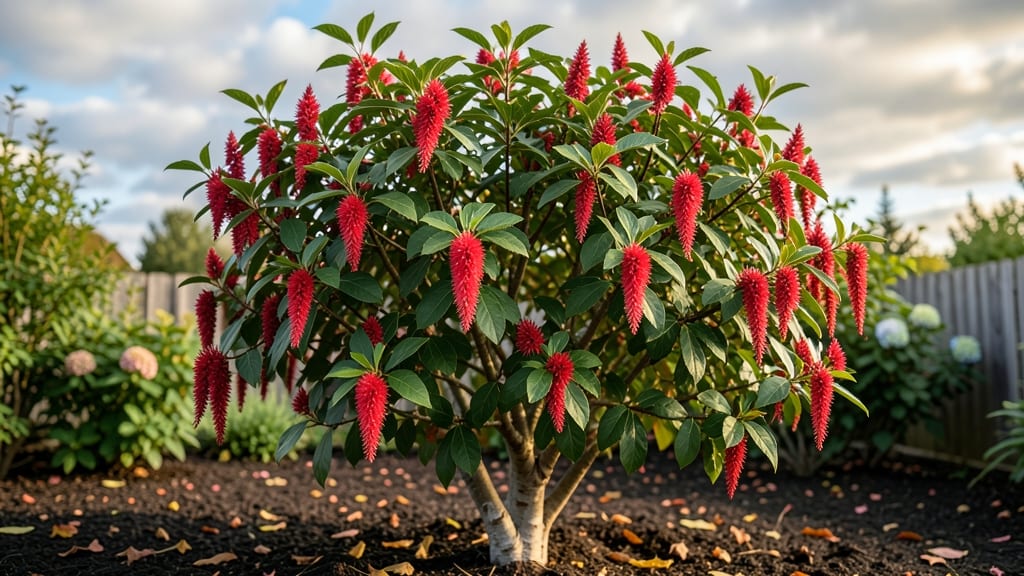
That red fuzzy flower on a tree isn’t just pretty—it’s a pollinator magnet that keeps bees buzzing from spring to fall. 🌸 I planted my first one after seeing how it transformed a dull corner into a buzzing, blooming hotspot that neighbors keep asking about.
The fuzzy texture catches sunlight in a way that makes it glow, and the color draws hummingbirds like nothing else in my yard. These trees thrive in partial shade or full sun, making them perfect for understory plantings, small gardens, or as focal points near patios.
Mine sits near my herb garden, where the pollinators it attracts help my basil and tomatoes flourish. The best part? They handle drought once established, so they’re low-maintenance once you get them planted.
By late summer, the flowers fade into seed pods that add winter interest, and the bark often develops striking textures or colors. Pair them with purple coneflowers or salvia for a cohesive border, or let them stand alone as a statement piece.
The versatility is what makes them a designer’s secret weapon. Whether you’re filling a large backyard or a tiny urban space, these trees deliver year-round interest with minimal effort. Here’s how to make them work in your design—no green thumb required.
Behind the blooms vibrant allure
The striking tree with red fuzzy flowers—often Callistemon or Banksia species—captivates gardeners with its year-round floral display, but why does it produce such bold, fuzzy red blooms?
The answer lies in a mix of evolutionary biology, environmental adaptations, and the tree’s deep relationship with pollinators. Let’s break down the science behind this floral spectacle.
The fuzzy, red flowers aren’t just for show—they’re a strategic pollinator magnet. These trees rely heavily on birds (like honeyeaters in Australia) and insects (such as bees and moths) to spread their pollen. The fuzzy texture serves multiple purposes:
- Pollen Traps: The dense hairs capture and package pollen efficiently, ensuring it sticks to pollinators’ bodies or feathers. When a bird probes for nectar, it brushes against the stamens, picking up pollen that’s later deposited on the next tree.
- Visual Contrast: The bright red color stands out against green foliage, attracting pollinators from a distance. Red is rare in flowers, making it a high-visibility signal in many ecosystems.
- Nectar Rewards: These trees often produce high-sugar nectar, a caloric incentive for pollinators to return repeatedly. The fuzzy structure may also protect nectar from rain, ensuring a consistent food source.
Pro Tip: 💡 If you’re growing one of these trees, plant it near bird feeders or water sources—this increases the likelihood of pollinators (and their pollen-spreading habits) sticking around!
Not all fuzzy red-flowered trees thrive in the same conditions—their blooms are also a response to their native environment. Here’s how:
| Factor | Impact on Flowers | Example Adaptations |
|---|---|---|
| Drought Tolerance | Reduces water loss, extends bloom season | Thick, leathery leaves and deep root systems (common in Callistemon) allow them to bloom even in dry spells. |
| Poor Soil Conditions | Encourages nutrient-efficient blooms | Some species (like Banksia) produce phosphorus-rich flowers to compensate for nutrient-poor soils, making them more attractive to pollinators. |
| Fire-Prone Habitats | Post-fire reblooming strategies | Serotinous cones (in Banksia) release seeds after heat, while new growth sprouts from roots, ensuring flowers return quickly. |
🌡️ Actionable Tip: If you’re growing one of these trees in a non-native climate, mimic their natural conditions—well-draining soil and minimal fertilization (they’re adapted to lean soils!)—to encourage vibrant, healthy blooms.
Some of the most prolific red fuzzy bloomers are hybrids or cultivated varieties bred for abundant, long-lasting flowers. Here’s why genetics play a role:
- Crossbreeding For Showiness: Gardeners and botanists have selectively bred trees like Callistemon ‘Little John’ to produce denser, brighter flowers than their wild counterparts.
- Disease Resistance: Hybrid trees often have stronger immune systems, allowing them to bloom more consistently without stress from pests or fungi.
- Extended Bloom Cycles: Some hybrids (like Banksia ‘Sullivan’s Gold’) have been genetically tweaked to flower year-round in mild climates, thanks to delayed dormancy.
✨ Fun Fact: The fuzziness in some hybrids is due to trichome overproduction—tiny hair-like structures that also help reflect sunlight and reduce water evaporation.
Understanding these causes not only explains why these trees are such a pollinator powerhouse but also helps gardeners create the ideal conditions for their own fuzzy red floral displays. Whether it’s luring birds, adapting to drought, or choosing the right cultivar, science makes the magic happen!
Reviving Your Blooming Beauty
If your tree with stunning red fuzzy flowers isn’t thriving as expected, don’t panic! With the right care, you can nurse it back to health and keep those vibrant blooms coming year-round.
Below are practical solutions tailored to common issues—from overwatering to pest attacks—along with easy prevention tips to keep your tree flourishing.
If your tree’s roots are soggy or the soil smells musty, it’s likely drowning in excess water. Poor drainage can suffocate roots and invite fungal diseases, turning those lush blooms into a sad, wilted sight.
How to Fix It:- 🔥 Check the Soil: Stick your finger 2-3 inches into the soil. If it’s damp, hold off on watering. Red fuzzy-flowered trees (like Cornus sericea or Hamamelis) prefer slightly moist but well-drained soil.
- 🍳 Improve Drainage: Mix in compost or perlite to aerate heavy clay soil. If planting in a container, use a pot with drainage holes and a fast-draining potting mix.
- 👨🍳 Adjust Watering: Water deeply but infrequently—once a week is usually enough, unless it’s scorching hot. Let the top inch of soil dry out between waterings.
Mulch around the base (but not touching the trunk) with 2-3 inches of organic mulch to retain moisture without compacting the soil. This keeps roots happy and reduces evaporation.
Red fuzzy flowers often thrive in partial shade but can scorch in harsh afternoon sun or become leggy in deep shade. If blooms are sparse or leaves are pale, light conditions might be the culprit.
How to Fix It:- 🌡️ Assess the Spot: Observe your tree’s location between 10 AM and 2 PM. If leaves look crispy, it’s getting too much sun; if they’re sparse, it needs more light.
- 🎯 Prune Strategically: Thin out dense branches to allow dappled sunlight to filter through. Avoid heavy pruning in late summer, as it can stress the tree before winter.
- ✨ Relocate if Needed: If your tree is in a container, move it to a spot with 4-6 hours of morning sun and afternoon shade. For in-ground trees, consider transplanting to a more balanced location.
Most red fuzzy-flowered trees love morning sun and afternoon shade. If your tree is young, stake it temporarily to prevent it from leaning toward light sources, which can cause uneven growth.
Yellowing leaves, sticky residue, or holes in foliage? Pests like aphids, spider mites, or scale insects love red fuzzy flowers as much as pollinators do. Fungal issues (like powdery mildew) can also dampen blooms.
How to Fix It:| Problem | Solution |
|---|---|
| Soft, sticky leaves (aphids) | Spray leaves with a strong stream of water to dislodge pests. For severe infestations, use neem oil or insecticidal soap (follow label instructions). |
| White webbing (spider mites) | Wipe leaves with a damp cloth to remove mites. Introduce beneficial insects like ladybugs or use a miticide spray. |
| Black spots or powdery residue (fungus) | Prune affected branches and dispose of them. Apply a fungicide (copper-based or sulfur) and improve airflow by thinning foliage. |
Encourage natural predators by planting companion flowers like marigolds or lavender nearby. Regularly inspect leaves (especially undersides) for early signs of pests or disease.
Frost-sensitive red fuzzy flowers can suffer from cold snaps, especially in their first few years. Brown buds or damaged branches in spring? Winter stress might be to blame.
How to Fix It:- 🔪 Prune Damaged Branches: In late winter or early spring, trim back any branches that look blackened or brittle. Sterilize pruners with rubbing alcohol to prevent disease spread.
- 🌡️ Insulate the Base: Wrap the trunk with tree wrap or burlap to protect it from temperature swings. Avoid piling mulch too high—keep it 3-4 inches from the trunk.
- ⏰ Water Before Freeze: Give the tree a deep watering before the first hard frost to ensure roots are hydrated. Well-watered trees handle cold better.
Choose cold-hardy varieties (like Cornus sericea or Hamamelis mollis) if you live in a zone with harsh winters. Young trees benefit from a light layer of straw mulch around the base for extra insulation.
With these fixes, your red fuzzy-flowered tree should bounce back stronger than ever. Remember, consistency is key—whether it’s watering, pruning, or pest control, small efforts add up to big blooms! 🌸
Frequently asked questions
What are the most popular trees with red fuzzy flowers?
Top choices include Callistemon (bottlebrush), Cornus sericea (red osier dogwood), and Hamamelis mollis (witch hazel). The fuzzy texture comes from dense stamens that create a velvety appearance—perfect for pollinators like hummingbirds and bees. These varieties thrive in USDA zones 5-9.
Can these trees grow in containers or small gardens?
Dwarf varieties like Callistemon 'Little John' (3-4 feet tall) or Cornus sericea 'Kelseyi' (6 feet) work beautifully in pots or tight spaces. Use well-draining soil and ensure containers have drainage holes. These trees handle urban environments well as long as they get 4-6 hours of sun daily.
Why do some red fuzzy flowers appear brown or wilted?
This usually signals overwatering or fungal stress. Red fuzzy-flowered trees prefer slightly dry soil between waterings. Check for soggy roots and improve drainage by amending soil with perlite. If brown buds appear in winter, frost damage may be the culprit—wrap young trees with burlap for protection.
How can I attract more pollinators to my fuzzy-flowered tree?
Plant companion flowers like purple coneflowers or salvia nearby to create a pollinator buffet. Avoid pesticides, and add a shallow water source (like a birdbath) within 10 feet of the tree. The fuzzy stamens naturally trap pollen, making your tree a magnet for bees, butterflies, and hummingbirds.
Do these trees need special pruning?
Minimal pruning is best! Trim back dead branches in late winter and shape lightly after flowering. Avoid heavy cuts—these trees bloom on old wood. For container-grown varieties, prune to maintain shape, but never cut more than 1/3 of the foliage at once to prevent stress.