
Pruning
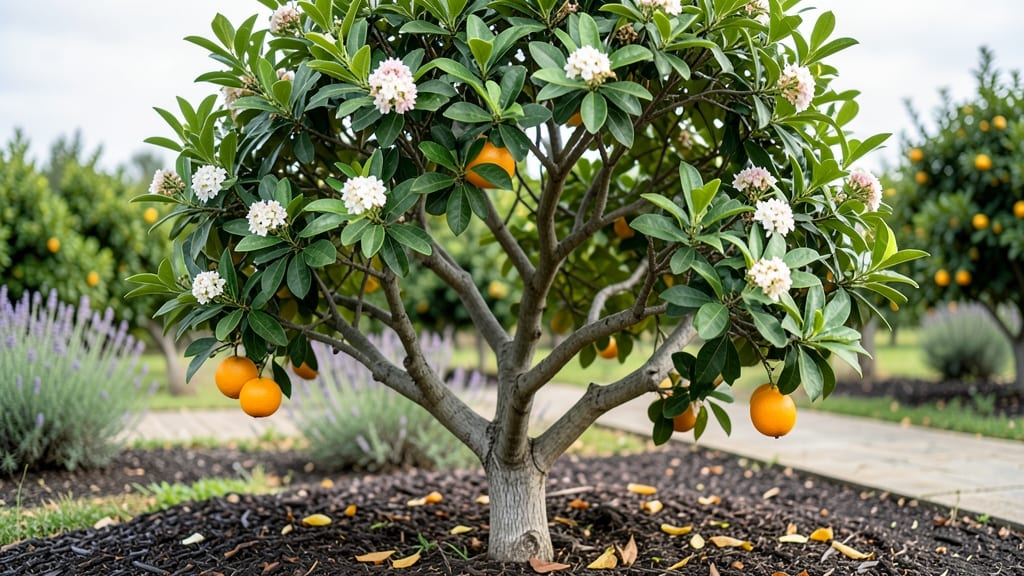
What tree has orange berries in the fall? The American beautyberry, wax myrtle, and eastern red cedar produce vibrant orange berries, prized for their striking foliage and ecological benefits. Recognize them by their unique leaf structures, berry cluster formations, and regional growing conditions.
These trees aren't just beautiful—they're also essential for local ecosystems. 🌿 The American beautyberry stands out with its clusters of purple stems and bright orange berries, while wax myrtle offers glossy, waxy leaves and dense berry clusters that birds adore. Eastern red cedar, though technically a juniper, produces striking orange berries that persist through winter.
Each species thrives in specific conditions, so knowing your hardiness zone and soil type makes all the difference when planting.
For landscaping, consider pairing these trees with complementary foliage plants. Staghorn sumac, for example, features feathery orange-red foliage alongside its berries, creating a layered autumn display. Meanwhile, serviceberry offers both edible fruit and brilliant fall color, making it a dual-purpose choice for gardens.
Always prune in late winter to encourage healthy growth and berry production.
💡 In This Article
- Identifying Fall Orange-Berried Trees by Leaf and Berry Traits
- Best Native Trees for Orange Fall Berries in Landscaping
Identifying fall orange-berried trees by leaf and berry traits
The American beautyberry (Callicarpa americana) is one of the easiest to spot, thanks to its striking contrast of purple square stems and clusters of metallic orange berries that resemble tiny grapes.
These berries form dense, grape-like bunches along the stems, while the leaves are opposite, oval-shaped, and turn a soft yellow in fall. The berries persist through winter, providing food for birds like mockingbirds and cardinals. 🌟
In contrast, wax myrtle (Morella cerifera) features glossy, waxy leaves that emit a citrusy aroma when crushed—a key identifying trait. Its berries are small, round, and grow in tight clusters along the branches, turning from green to bright orange-red in fall.
Unlike beautyberry, wax myrtle’s berries are not edible for humans but are a favorite of wildlife, including quail and rabbits. The tree’s compact, shrub-like growth habit makes it ideal for hedges or borders.
For those in drier regions, staghorn sumac (Rhus typhina) offers feathery, orange-red foliage alongside its berry-like seed clusters. The berries aren’t true fruits but dry, papery structures that split open to reveal red seeds.
Sumac thrives in full sun and poor soil, making it a hardy choice for tough landscapes. Its velvety, hairy branches add texture, while the berries provide food for birds and small mammals.
The eastern red cedar (Juniperus virginiana), often mistaken for a true cedar, produces berry-like cones that turn a rich blue-purple to orange-brown when mature. These "berries" are actually fleshy seed cones that persist for years, giving the tree year-round interest.
The cedar’s scale-like, blue-green needles and exfoliating bark further set it apart from other orange-berried trees.
If you’re unsure which tree you’re looking at, focus on these key traits: leaf arrangement (opposite vs. alternate), berry cluster shape (grape-like vs. feathery), and stem color (purple vs. green).
For example, dogwood (Cornus florida) produces red berries in fall but has large, white spring flowers and simple, oval leaves, while serviceberry (Amelanchier spp.) offers small, tart berries and yellow fall foliage. 🔍
Pro tip: Use a hand lens to examine leaf edges and berry surfaces—wax myrtle’s berries feel slightly waxy, while beautyberry’s are smooth and juicy. For a quick field guide, note whether the tree is deciduous or evergreen, as this narrows down options significantly.
Evergreens like cedar keep their foliage year-round, while deciduous trees like sumac shed theirs in winter.