
Plants
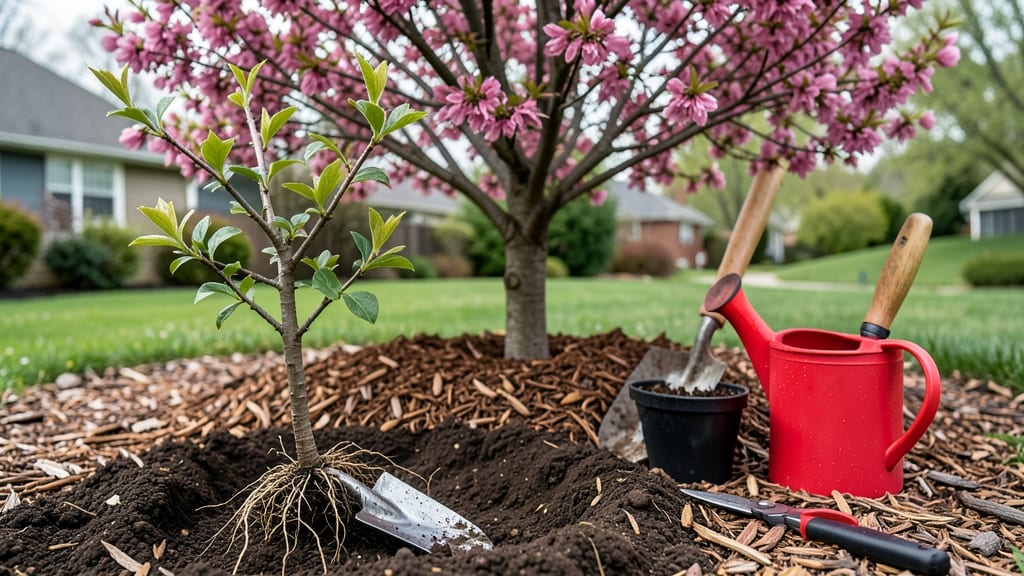
Planting a redbud tree in Texas between late fall and early spring sets the stage for stunning spring blooms and a tree that thrives in your climate 🌳.
Timing is everything when planting a redbud tree in Texas—get it wrong, and your stunning spring blooms could never arrive. But plant at the perfect moment, and you’ll set the stage for vibrant flowers, strong roots, and a tree that thrives in Texas’ unpredictable climate.
Texas’ diverse zones—from 8a in the Panhandle to 10b along the coast—mean the best months shift from November to March, depending on where you live. Too early, and frost can damage young roots; too late, and summer heat stresses the transplant before it takes hold.
Below, I’ll break down the exact windows by region, soil prep secrets for Texas clay or sandy soil, and how to outsmart drought or pests so your redbud grows stronger than ever.
Best months to plant redbud trees in Texas by region
Texas’ climate varies dramatically from north to south, making the perfect planting window for redbud trees depend on your USDA hardiness zone. In North Texas (Zones 7b-8a), like Dallas or Fort Worth, your best bet is November through early March—avoiding winter freezes and summer heat.
Meanwhile, Central Texas (Zones 8a-8b), including Austin and San Antonio, thrives with October to February plantings, while South Texas (Zones 9a-10b), like Houston or the Rio Grande Valley, extends the window to September through April.
Each region’s unique frost dates and soil temperatures play a critical role in root establishment.
Redbud trees (Cercis canadensis) are dormant in winter, so planting during cool but frost-free months gives roots time to settle before spring growth.
In North Texas, where frosts linger until mid-March, aim for November or February plantings. Central Texas gardeners should prioritize December to January to avoid late-winter freezes, while South Texas’s milder winters allow for September or March flexibility.
The key is soil temperatures above 60°F—critical for root growth without stress.
🌳 Redbud Planting Calendar by Texas Region
| Region | USDA Zone | Best Planting Months | Avoid These Months | Key Consideration |
|---|---|---|---|---|
| North Texas | 7b-8a | November, February | June-August, December | Frost risk until mid-March |
| Central Texas | 8a-8b | December, January | May-July, November | Soil stays warm longer |
| South Texas | 9a-10b | September, March | January-February, July | Humidity and heat stress |
*Plant bare-root trees in cooler months; container-grown trees offer slight flexibility.
For North Texas, I recommend late November planting—this gives roots 3 months to establish before spring growth. Use container-grown redbuds if planting in February, as they handle transplant shock better than bare-root trees.
In Central Texas, December is ideal because soil temperatures hover around 60°F, perfect for root growth without summer heat stress. If you miss this window, January works but requires extra mulching to protect roots.
In South Texas, where winters are mild, September planting lets roots establish before summer drought hits. However, avoid late summer plantings—90°F+ soil can shock roots. March is a backup option but requires daily watering for the first 4 weeks.
Pro tip: Acid-loving redbuds thrive in South Texas’ slightly acidic soil (pH 6.0-7.0), so test your soil before planting.
One common mistake I see is planting redbuds in early spring (April), assuming warmer weather helps. But soil temperatures above 70°F can cause transplant shock, especially in Central and North Texas.
Instead, opt for bare-root trees in late winter—they’re dormant and cheaper, with higher survival rates. If you must plant in spring, choose container-grown trees and water deeply every 3 days for the first month.
Texas’ variable rainfall also affects planting success. In drought-prone West Texas (Zones 8a-9a), schedule plantings for October or November to align with fall rains. In East Texas, where humidity is high, February plantings reduce fungal risks.
Always amend clay soil with compost to improve drainage—redbuds hate soggy roots. For sandy soils (common in South Texas), mix in peat moss to retain moisture.
If you’re in Transition Zones (8a-8b), like College Station or Waco, split your planting between November and February. This hedges against unpredictable frost or early summer heat.
For example, a November-planted tree in Waco will bloom in spring the following year, while a February planting may bloom a year later due to delayed root growth. Patience pays off—established redbuds live for 30+ years with proper timing!
Finally, consider your redbud variety. Eastern redbuds (Cercis canadensis) are hardiest in North and Central Texas, while Mexican redbuds (Cercis canadensis var. mexicanus) thrive in South Texas’ heat.
Mexican redbuds can handle September plantings better but still need afternoon shade during their first summer. Always water deeply after planting—10 gallons for small trees
Critical factors that determine redbud planting success in Texas
Planting a redbud tree in Texas isn’t just about picking a month—it’s about understanding the hidden factors that make or break your tree’s survival. While November to March are the classic windows, Texas’ extreme heat and soil temperature swings demand extra attention.
A redbud planted too early faces frost damage, while planting too late risks summer stress before roots establish.
Your redbud’s first year hinges on soil temperature—roots won’t grow below 60°F. In North Texas, this means waiting until late February, while South Texas gardeners can start as early as January. Rainfall patterns also shift success: drought-prone areas need pre-planting soil moisture, while wetter zones risk waterlogged roots.
Ignore these, and your $50 tree could become a $0 lesson.
⚠️ NON-NEGOTIABLE: Texas’ summer heat (90°F+) kills young redbuds—planting in May or June is a death sentence. Even container-grown trees need acclimation time to adjust to Texas’ intense sunlight and dry winds.
The first 30 days after planting are critical: roots must establish before July’s heatwave arrives. Skip this, and your tree’s transpiration rate will outpace water uptake, leading to leaf scorch and dieback.
Soil drainage is another silent killer. Texas’ clay-heavy soils in East Texas or sandy loam in West Texas both pose risks: clay suffocates roots, while sand drains too fast. Amend with compost or pine bark fines to hit the 6.0–7.0 pH sweet spot redbuds crave.
Test your soil 4–6 weeks before planting—rushing leads to nutrient imbalances that stunt growth.
Frost timing varies wildly across Texas. North Texas’ last frost (Dec 15) can zap tender redbud shoots, while South Texas’ first frost (Dec 1) might not arrive until winter. Plant bare-root redbuds in dormant season (Nov–Feb) to avoid transplant shock during active growth.
Container-grown trees? Wait until soil temps hit 60°F consistently—use a soil thermometer to avoid guesswork.
Watering depth, not frequency, saves Texas redbuds. Deep watering (10–15 gallons) every 7–10 days encourages roots to grow 12+ inches deep, while shallow watering keeps them near the surface—where evaporation and heat stress reign.
Mulch with 3–4 inches of wood chips to retain moisture and regulate root-zone temps. Skip this, and your tree’s water needs double during Texas’ 100°F+ spells.
Finally, pest pressure spikes in Texas’ spring and fall. Aphids and spider mites thrive on stressed redbuds, so inspect leaves weekly after planting. Neem oil or horticultural soap are your first-line defenses—chemicals risk harming the tree’s delicate foliage.
Time your planting to avoid peak pest seasons: aim for late February in North Texas or January in South Texas for the safest window.