
Pruning
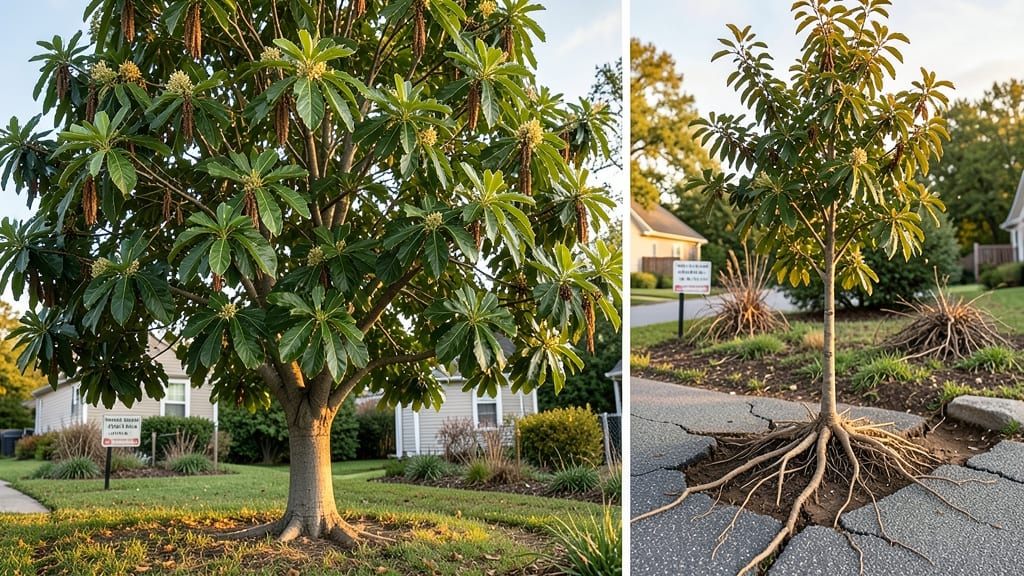
The tree of heaven is bad because it spreads aggressively through underground roots and airborne seeds, outcompeting native plants, disrupting ecosystems, and releasing toxic compounds that harm other vegetation.
The tree of heaven earns its reputation as an ecological menace due to its relentless growth habits. Its underground root system can spread up to 100 feet from the original tree, smothering nearby plants by blocking sunlight and nutrients.
Meanwhile, its lightweight seeds travel easily on wind currents, allowing it to colonize new areas rapidly. 🌱 What makes it even more problematic is its production of allelopathic chemicals, which inhibit the growth of competing plants, creating monocultures that destroy biodiversity.
Once established, removing tree of heaven becomes a long-term battle. Its resilience means even stumps regrow unless treated with herbicides or cut repeatedly. Landowners often face years of maintenance to prevent regrowth, making it a persistent nuisance in both urban and wild landscapes.
💡 In This Article
- How Tree of Heaven Invades Ecosystems
- Identifying and Controlling Tree of Heaven Growth
How tree of heaven invades ecosystems
The tree of heaven's invasion begins with its pneumatophore roots, specialized aerial roots that emerge from underground stems. These roots can grow up to 10 feet long and absorb oxygen directly from the air, allowing the tree to thrive in waterlogged or compacted soils where other plants struggle.
This adaptation gives it an edge in urban environments with poor drainage, like sidewalks and parking lots, where it can push through concrete cracks.
Its seed dispersal strategy is equally aggressive. Each tree produces 20,000-30,000 seeds per year, which are light and winged, enabling them to travel up to 1 mile on wind currents. These seeds germinate readily in disturbed soils, making roadsides, construction sites, and abandoned fields prime targets.
The tree's fast growth—3-5 feet annually—allows it to quickly dominate open spaces before native vegetation can recover.
The real ecological damage comes from its allelopathic compounds, particularly phthalic acid and quinones, which it releases into the soil. These chemicals suppress the growth of competing plants by interfering with their root development and nutrient absorption.
Studies show these compounds can reduce native plant diversity by up to 70% in infested areas, creating ecological deserts where only tree of heaven thrives.
This invasion has measurable impacts on soil health too. The tree's dense root systems deplete soil nitrogen levels by 30-40% faster than native species, while its leaf litter creates acidic conditions that further inhibit other plants.
The result is a monoculture ecosystem that lacks the biodiversity needed for healthy wildlife habitats and resilient landscapes.
What makes this particularly concerning is how quickly it spreads. In some regions, tree of heaven has expanded its range by over 100 miles in just 50 years, outpacing even other notorious invasives.
Its ability to thrive in both urban and rural settings means it doesn't just harm natural areas—it also increases maintenance costs for cities dealing with blocked drains, damaged infrastructure, and lost property values.
Perhaps most alarming is its impact on native wildlife. Many animal species depend on specific plant communities that tree of heaven disrupts. For example, the red-headed woodpecker, which relies on dead trees for nesting, finds fewer suitable habitats when tree of heaven dominates an area.
The loss of native plants also means fewer food sources for insects and birds that form the base of local food webs.
The tree's persistence makes it particularly dangerous. Even when cut down, its roots can regenerate from 1-inch stumps, and chemical treatments often require multiple applications over several years.
This combination of aggressive spread, chemical warfare, and resilience makes tree of heaven one of the most challenging invasives to manage once established. 🌳