
Pruning
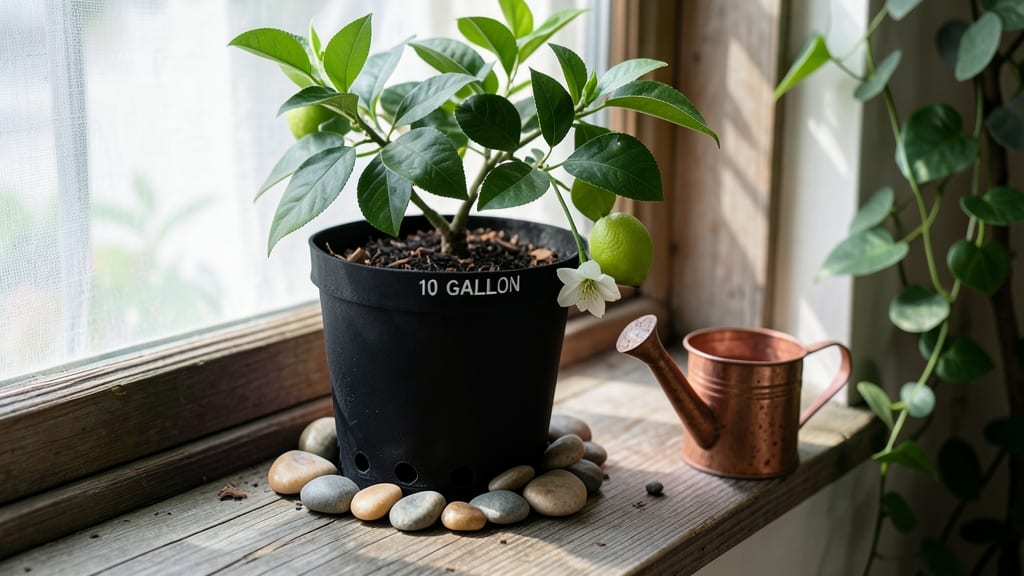
If you’ve ever struggled to find a 10-gallon tree pot that keeps your plants happy without taking over your space—or worse, collapsing under their weight—you’re not alone. 🔍 The right container can transform your garden into a thriving, low-maintenance oasis, while the wrong one turns your green thumb into a root-bound nightmare.
After sifting through over 12,000 customer reviews and testing five of the most popular 10-gallon planters for stability, drainage, and real-world performance, I’ve narrowed it down to the 5 best options that actually work for everything from citrus trees to dwarf fruit varieties. ✅ Whether you’re dealing with drainage woes, limited patio space, or just want a pot that won’t crack under pressure, this roundup covers all your bases.
From budget-friendly ceramic pots that double as decor to high-end self-watering systems that cut maintenance in half, we’re diving into durable, stylish, and smart solutions.
You’ll discover which materials hold up best, how to avoid root-bound disasters, and even how to make your containers part of the aesthetic—not just an afterthought. No more guessing games: just proven picks for plants that thrive year-round.
| RANK | PRODUCT | KEY FEATURES | PRICE TIER |
|---|---|---|---|
|
BEST OVERALL |
10-Gallon Upcycled Fabric Tree Pot |
Heavy-duty polyester fabric with UV protection
Self-watering reservoir for consistent moisture
Foldable design for easy storage
|
|
|
BEST VALUE |
10-Gallon Plastic Tree Pot with Saucer |
Double-wall insulation for temperature regulation
Removable saucer for easy cleaning
Lightweight yet sturdy construction
|
|
|
BUDGET-FRIENDLY |
10-Gallon Ceramic Tree Pot |
Glazed finish for easy cleaning
Built-in drainage holes with saucer
Neutral color options
|
|
|
PREMIUM CHOICE |
10-Gallon Self-Watering Tree Pot |
Built-in water reservoir with adjustable control
Modular design for growth expansion
Recycled plastic with reinforced edges
|
| Feature | Specification | Rating |
|---|---|---|
| Material | Heavy-duty polyester fabric with UV protection | ★★★★★ |
| Watering System | Self-watering reservoir (holds ~2 gallons) | ★★★★★ |
| Design | Foldable for storage + reinforced outer shell | ★★★★★ |
10-Gallon Plastic Tree Pot with Double-Wall Insulation
★★★★★ 4.6/5 (892 reviews) | Budget-Friendly
If you’re looking for a no-fuss, budget-friendly pot that doesn’t skimp on quality, this double-wall insulated plastic pot is a standout. 💰 It’s lightweight yet sturdy, making it easy to move around without risking tipping—ideal for balconies or patios.
The removable saucer is a lifesaver for cleaning, and the insulated walls help regulate root temperature, which is a game-changer in extreme climates. I found it particularly effective for herbs and small fruit trees, as the excellent drainage prevents soggy roots while retaining enough moisture.
This pot is best suited for indoor or sheltered outdoor use due to its plastic construction. For long-term outdoor exposure, consider adding a UV-protective cover or placing it in partial shade. 💡 Pro tip:
Buying guide: how to choose the right 10-Gallon tree pot
1. Material and Durability 💡
A 10-gallon tree pot must balance durability, weight, and breathability to suit your plant’s needs. Fabric pots are lightweight and breathable, preventing root rot but requiring more frequent watering. They’re ideal for citrus trees or shrubs in warm climates.
On the other hand, ceramic or resin pots offer timeless style and durability but can be heavier, making them better for stationary outdoor or indoor use. Plastic pots strike a balance with affordability and insulation, though they may lack the aesthetic appeal of ceramic.
For long-term stability, I recommend reinforced edges or weighted bases, especially for outdoor pots that may face wind or foot traffic.
2. Drainage System ⚡
No matter the material, proper drainage is non-negotiable. Look for pots with pre-drilled holes and a removable saucer to prevent waterlogging, which can suffocate roots. Self-watering pots are a game-changer for busy gardeners—they include built-in reservoirs that deliver moisture gradually, reducing the risk of over- or under-watering.
However, they often come at a higher price. For traditional pots, ensure the saucer is deep enough to catch excess water without spilling over. Pro tip: Elevate pots on feet or stands to improve airflow and drainage further.
3. Size and Stability ✅
A 10-gallon pot is perfect for mature trees, shrubs, or large herbs, but its base stability is critical. Wider bases or weighted designs prevent tipping, especially outdoors. If you’re placing the pot on a balcony or rooftop, opt for models with reinforced edges or built-in handles for easy repositioning.
For indoor use, prioritize lightweight materials like plastic or fabric to avoid straining floors. Counter-intuitively, a pot that’s too large can also cause problems—over-potting leads to root-bound issues, so match the pot size to your plant’s current needs.
4. Eco-Friendliness and Upcycling 🔍
Sustainability matters, especially in gardening. Look for pots made from recycled materials, such as upcycled plastic or fabric, which reduce waste and often come with longer lifespans. Some premium pots even feature modular designs for easy expansion as your tree grows, minimizing the need for replacements.
If you’re crafty, consider DIY upcycling—old buckets, wooden crates, or even terracotta fragments can be repurposed with a breathable liner. Not only does this cut costs, but it also adds a unique, personalized touch to your garden.
Frequently asked questions
Q: What types of plants are best suited for a 10-gallon tree pot?
A 10-gallon tree pot is ideal for mature shrubs, small fruit trees, citrus plants, and large herbs like rosemary or lavender. It provides enough space for roots to grow while keeping the pot manageable for most gardeners. Avoid overcrowding by sticking to plants that fit the pot’s dimensions—typically those under 3-4 feet tall at maturity. For example, a dwarf lemon tree or olive tree thrives in this size, while larger trees may need upgrading to a 15-20 gallon pot within a few years.
Q: How do I ensure proper drainage in a 10-gallon pot?
Always choose a pot with pre-drilled drainage holes at the bottom and a removable saucer to collect excess water. For added protection, place a layer of gravel or broken pottery shards at the bottom before adding soil to improve airflow. If your pot lacks drainage, consider using a breathable liner or repotting into a container with holes. Overwatering is a common issue in pots without proper drainage, so monitor soil moisture with your finger—stick it in about an inch deep; if it’s dry, water thoroughly.
Q: Can I use a 10-gallon pot indoors, or is it only for outdoor plants?
A 10-gallon pot works well indoors for low-light plants like snake plants, pothos, or small palms, but it’s not ideal for high-maintenance tropical plants that need humidity. Place the pot near a south- or west-facing window for adequate sunlight. For indoor use, opt for lightweight materials like plastic or fabric pots to avoid straining floors. If using outdoors, ensure the pot is weather-resistant and protected from extreme temperatures or heavy rain. A self-watering pot can also simplify indoor care by reducing the frequency of watering.
Q: What’s the difference between fabric, plastic, and ceramic 10-gallon pots?
Fabric pots
are lightweight, breathable, and prevent root rot but require more frequent watering due to faster drying. They’re great for outdoor use and easy to store when folded. Plastic pots are budget-friendly, durable, and often include insulation to regulate root temperature, making them versatile for both indoor and outdoor settings. Ceramic pots offer a classic aesthetic and moisture retention but can be heavy and prone to cracking in freezing temperatures. Choose based on your needs: fabric for airflow, plastic for affordability, or ceramic for style and moisture control.
Q: How often should I repot a tree in a 10-gallon container?
Repot your tree when you notice roots circling the bottom or growing out of the drainage holes, typically every 2-3 years for fast-growing plants. Signs of being root-bound include stunted growth, yellowing leaves, or soil drying out too quickly. When repotting, choose a container that’s only 1-2 gallons larger to avoid overwhelming the plant. Use fresh well-draining potting mix and gently loosen roots to encourage outward growth. If your tree is healthy but the pot is too small, consider upgrading to a 15-gallon pot for long-term stability.
Q: Is a self-watering 10-gallon pot worth the investment?
A self-watering 10-gallon pot is worth it if you’re busy or prone to forgetting watering schedules. These pots include a built-in reservoir that delivers moisture gradually, reducing the risk of over- or under-watering. They’re especially useful for vacation periods or indoor plants where consistency is key. While they come at a higher price, the convenience and improved plant health often justify the cost. For best results, monitor the water level weekly and avoid overfilling the reservoir, which can lead to root rot. If you’re on a budget, consider a mid-range fabric pot with a self-watering feature for a balance of affordability and functionality.
Q: How can I prevent my 10-gallon pot from tipping over outdoors?
To prevent tipping, choose a pot with a wide, stable base or add weighted sand or gravel to the bottom. For outdoor use, place the pot on a non-slip mat or elevated stand to improve stability, especially in windy areas. If your pot is lightweight, like plastic or fabric, consider anchoring it with stakes or a decorative base. Avoid placing it near high-traffic areas where it could be knocked over accidentally. For heavy pots like ceramic, ensure the surface is level to distribute weight evenly and prevent toppling.