
Pruning
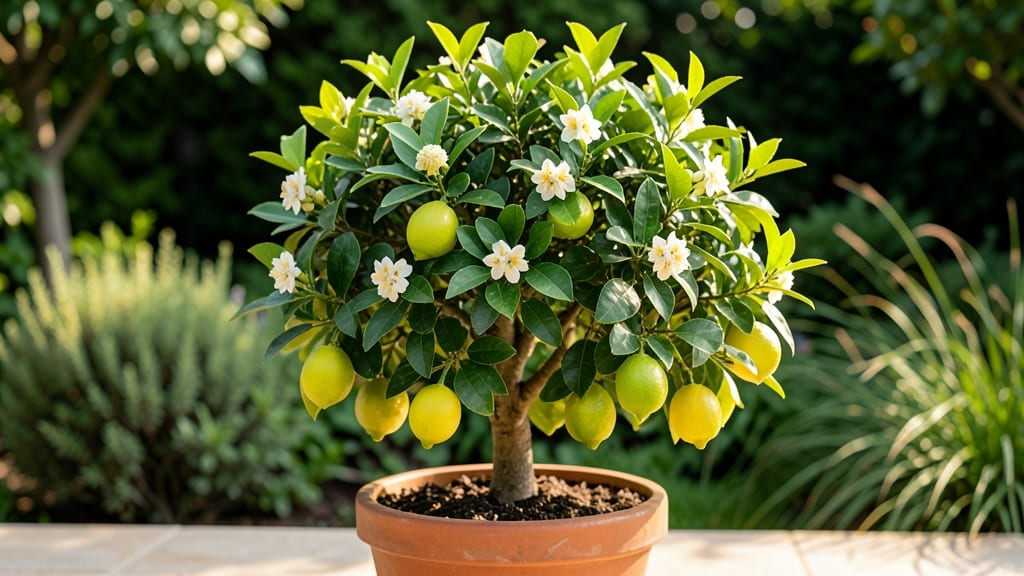
A small lemon tree in a pot can brighten your kitchen year-round—if you prune it right. 🌱 I learned the hard way that neglect turns lush foliage into leggy sticks, but with the right cuts, you’ll get compact growth and actual fruit.
The key is timing: prune after harvest in late winter or early spring, shaping the tree to encourage bushier branches and more fruit production. You’ll need a 15-20 gallon container with drainage holes, well-draining citrus mix, and a sunny spot (at least 6 hours of direct light daily).
Overwatering is the silent killer—let the top inch of soil dry between waterings, and never let it sit in soggy soil. Fertilize monthly in spring/summer with citrus-specific food, but cut back in fall/winter when growth slows.
With proper pruning, you’ll see new growth within weeks—pale green shoots that harden into sturdy branches. The tree stays manageable (under 6 feet tall), and with patience, you’ll get your first lemons by year three. The scent of blossoms alone makes it worth the effort.
This works for indoor windowsills (south-facing) or outdoor patios (bring inside before frost). The same techniques apply whether you start with a bare-root sapling or a nursery tree. Let’s get those branches shaped!
📚 In This Guide
- What you need
- Instructions
- Tips and common mistakes
- Wrapping up and next steps
What you need
- ● Lemon tree variety: Dwarf or Meyer lemon (e.g., Citrus × meyeri or Citrus limon 'Eureka')
- ● Pot: 12–18 inches in diameter (with drainage holes) – terracotta or ceramic preferred
- ● Well-draining potting mix: 1 part cactus/succulent mix, 1 part peat moss, 1 part perlite, and 1 part compost (or a pre-mixed citrus blend)
- ● Pruning tools: Sharp bypass pruners (for clean cuts)
- ● Sterilized hand pruners (for smaller branches)
- ● Disinfectant (e.g., rubbing alcohol or hydrogen peroxide)
- ○ Support: Small trellis or stake (optional, for young trees)
- ● Slow-release citrus fertilizer (balanced NPK, 6-6-6 or similar)
- ● Grow lights (if indoors with limited sunlight)
- ● Mulch (e.g., orchid bark or gravel for moisture retention)
- ● Spray bottle (for misting leaves in dry climates)
Step-by-Step guide to pruning your small lemon tree in a pot
Here’s how I keep my dwarf lemon tree thriving year-round—with pruning that encourages fruit production and maintains shape.
✂️ Step 1: Time Your Pruning for Optimal Growth
Prune your lemon tree in late winter or early spring, just as new growth begins. This timing ensures you remove last year’s wood while stimulating fresh, vigorous shoots. Avoid pruning in fall—it stresses the tree before dormancy. I always check for bud swell (tiny bumps on branches) as my cue to start.
For container-grown trees, a light shaping trim in mid-summer (after flowering) keeps the tree compact. Never remove more than one-third of the foliage in a single session—this prevents shock and weakens the tree’s ability to photosynthesize.
✂️ Step 2: Remove Dead, Diseased, or Crossing Branches First
Start with sanitary pruning: cut out any dead, yellowed, or diseased branches using clean, sharp pruners. These branches drain energy and invite pests. Look for dark, mushy wood or blackened tips—these are clear signs of trouble. I dip my pruners in rubbing alcohol between cuts to prevent spreading pathogens.
Next, remove branches that cross or rub against each other. These create wounds and limit airflow, which increases humidity and fungal risk. Aim for an open-center shape—this allows sunlight to reach the inner canopy where fruit develops. Thin out crowded branches to improve air circulation.
✂️ Step 3: Shape the Tree for Balance and Fruit Production
Step back and visualize the tree’s central leader (main upward stem). If it’s too dominant, prune it back to encourage lateral branches where fruit forms. I like a modified vase shape—a few strong scaffold branches radiating outward from the trunk. Cut just above an outward-facing bud to guide new growth in the right direction.
For dwarf varieties, keep the height under 6 feet to prevent top-heavy pots. Prune the topmost branches slightly shorter than lower ones to maintain stability. Avoid heading cuts (cutting back to stubs)—this encourages weak, bushy growth. Instead, make cuts at 45-degree angles just above a leaf node.
🌿 Step 4: Encourage Flowering and Fruit Set
After shaping, focus on flowering branches. Lemon trees fruit on new wood, so prune to leave 6-12 inch segments of healthy growth. Remove any suckers (shoots growing from the base or trunk) unless you’re propagating—these divert energy from fruit production.
For established trees, a light prune after harvest (late winter) stimulates fresh growth. If your tree isn’t flowering, prune back overly vigorous shoots—these often produce leaves but no fruit. Balance is key: too little pruning leads to leggy growth, while too much reduces flowering.
⏰ Step 5: Post-Pruning Care for Recovery
Water deeply after pruning to help the tree recover. Lemon trees in pots dry out faster, so check soil moisture daily for a week—keep it evenly moist but not soggy. Avoid fertilizing immediately; wait 4-6 weeks to let wounds heal before applying a balanced citrus fertilizer.
Monitor for aphids or spider mites, which thrive on stressed trees. Spray with neem oil if you spot sticky residue or fine webbing. Place the pot in bright, indirect light for a few days to reduce stress. Once new growth appears (usually 2-3 weeks), resume normal care.
Tips & tricks for pruning your small lemon tree in pot
Here’s what I’ve learned after years of pruning my own container lemon trees—these tricks make all the difference between a scraggly bush and a thriving fruit producer.
Tool Preparation: Never skip sterilizing your pruners! I soak mine in rubbing alcohol for 30 seconds between cuts to prevent spreading fungal spores or bacterial infections. A dull blade tears wood instead of making clean cuts, which slows healing. I also keep a small spray bottle of alcohol handy for quick disinfection mid-pruning session. For stubborn branches, I use a small handsaw—it gives me the leverage I need without damaging the trunk.
Branch Selection Strategy: In Step 2, when removing crossing branches, I prioritize keeping the branch with the stronger angle to the trunk—this creates a more stable structure. Look for branches that grow at a 45-degree angle or wider—these will bear fruit better than those growing straight up. I also avoid cutting branches that are thicker than one-third the diameter of the main trunk—this prevents creating large wounds that take months to heal.
Growth Direction Control: For shaping in Step 3, I always make cuts just above a leaf node that faces outward. This simple technique ensures new growth will radiate outward rather than inward, creating that perfect open-center shape. I’ve found that 45-degree angled cuts (sloping away from the trunk) also reduce water pooling, which minimizes rot risk. For dwarf varieties, I never let any single branch exceed one-third the height of the tree—this prevents top-heavy instability in pots.
Seasonal Timing Nuances: While late winter/early spring is ideal, I’ve learned that southern climates can safely prune up to 2 weeks earlier. Watch for bud swell as your definitive cue—when you see those tiny bumps, it’s time. For container trees, that mid-summer trim after flowering? I actually do it 2-3 weeks after harvest to give the tree time to recover from fruit production before stressing it again with pruning.
Pro Tips for Small Lemon Tree In Pot
- Here’s what I’ve learned after years of pruning my own container lemon trees—these tricks make all the difference between a scraggly bush and a thriving fruit producer.
- Tool Preparation: Never skip sterilizing your pruners!
- Branch Selection Strategy: In Step 2, when removing crossing branches, I prioritize keeping the branch with the stronger angle to the trunk—this creates a more stable structure.
Frequently asked questions
Got questions about keeping your small lemon tree in a pot thriving?
Here are answers to the most common ones—so you can enjoy fresh citrus year-round with confidence!
How often should I repot my small lemon tree?
Repot your lemon tree every 2–3 years or when roots circle the pot’s bottom. Spring is ideal—choose a container just 2–3 inches larger in diameter to avoid root stress. Use well-draining soil (like a cactus/succulent mix) and a pot with drainage holes to prevent soggy roots.
Can a potted lemon tree survive winter indoors?
Yes! Move your tree indoors before temperatures drop below 40°F (4°C). Place it near a sunny window (south-facing is best) and maintain 50–60°F (10–15°C) temps. Reduce watering slightly—overwatering in dry indoor air can harm roots. A grow light helps if natural light is limited.
Why aren’t my lemon tree’s leaves turning yellow?
Yellow leaves usually signal overwatering or nutrient deficiencies. Check the soil—it should be slightly moist but not soggy. If roots smell rotten, trim affected areas and repot. For nutrients, fertilize monthly in spring/summer with a citrus-specific formula. Brown edges? It’s likely low humidity—mist leaves or use a pebble tray.
When is the best time to prune a potted lemon tree?
Prune in late winter or early spring (just before new growth starts) to shape the tree and encourage fruiting. Remove dead, crossing, or overcrowded branches first, then trim back 1/3 of the current year’s growth. Sterilize shears with rubbing alcohol to prevent disease. Avoid heavy pruning in fall—it stresses the tree before dormancy.
What’s a good alternative if my lemon tree isn’t thriving?
Try Meyer lemon trees—they’re hardier, more cold-tolerant, and produce sweeter fruit! Other low-maintenance citrus options:
- Calamondin orange: Dwarf size, fragrant flowers, and edible fruit.
- Kumquat: Cold-resistant, compact, and great for small pots.
- Limequat: Hybrid of lime and kumquat—thrives in containers.
Wrapping up and next steps
Growing a small lemon tree in a pot is a rewarding journey that brings year-round citrus joy to your space—with the right pruning techniques, you’ll keep it healthy, productive, and beautiful! 🌿 Whether you’re trimming for shape, encouraging fruit production, or maintaining size, remember that consistency and patience are key.
Now that you’re armed with the know-how, grab those shears and give your tree the care it deserves.
Ready to take the next step? Start small:
- Schedule your first pruning session this month—even a light trim makes a difference!
- Monitor your tree’s growth and adjust your routine as needed.
- Share your progress (and any lemony surprises!) with fellow plant enthusiasts.