
Pruning
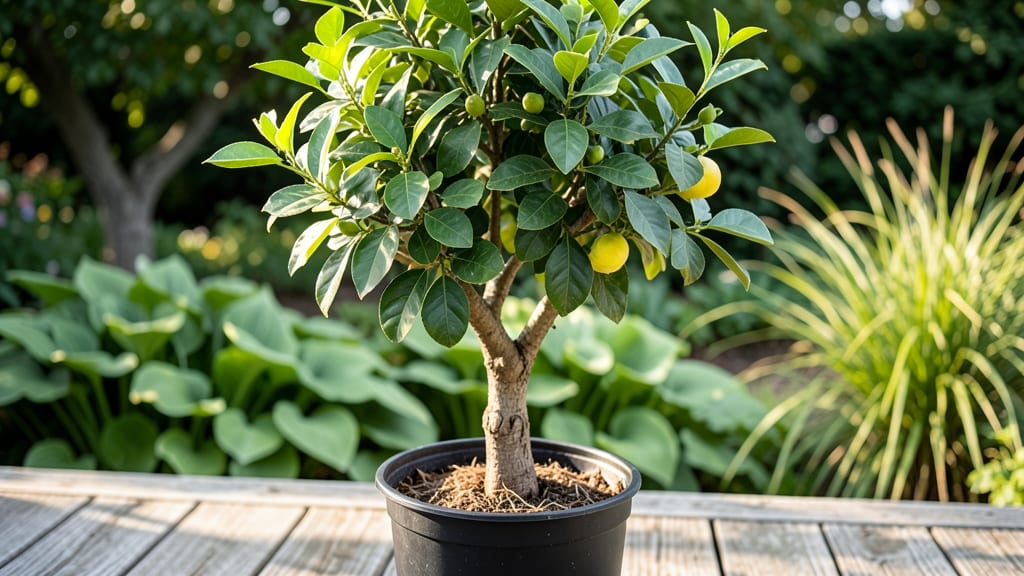
A 3-gallon tree—the size of which typically ranges from 18-24 inches tall at planting—will mature between 6 to 25 feet tall, with growth rates varying dramatically by species. Fast growers like weeping willow or hybrid poplar can reach 15+ feet in just 3-5 years, while slower options such as Japanese maple or crepe myrtle rarely exceed 10 feet at maturity.
The 3-gallon tree size at maturity depends entirely on its genetics and growing conditions. 🌱 The key difference between fast and slow growers lies in their root systems—willow trees develop deep, aggressive roots that fuel rapid vertical growth, while ornamental varieties like Japanese maple prioritize foliage density over height.
I always recommend testing soil drainage first, as compacted soil can stunt even the fastest growers by up to 30%. For small yards, dwarf varieties (e.g., columnar apple trees) stay under 8 feet while still producing fruit.
Here's the critical factor most homeowners miss: pruning timing. If you trim a fast grower like silver maple in late summer, you'll encourage a second growth spurt that can add 2-3 extra feet before winter.
For slow growers, pruning too aggressively in their first year can actually reduce their mature height by 15-20%. Always research your specific variety's pruning window—some need dormant-season cuts while others thrive with spring pruning.
💡 In This Article
- How Fast-Growing Trees Scale from 3-Gallon Size to Mature Height
- Best 3-Gallon Trees for Small Yards by Mature Height Limits
How fast-growing trees scale from 3-Gallon size to mature height
When you plant a 3-gallon tree, its potential mature height is determined by three key factors: genetic growth rate, root system development, and environmental conditions.
Fast growers like weeping willow (Salix babylonica) can add 6-8 feet per year in ideal conditions, while slower varieties such as Japanese maple (Acer palmatum) typically grow just 6-12 inches annually.
The root-to-canopy ratio is crucial here—willow trees develop roots that extend 3-5 times their height, creating a massive nutrient absorption network that fuels rapid vertical growth. In contrast, ornamental trees often prioritize dense foliage over height, with root systems that spread wider than they grow deep.
The soil's nutrient composition plays a surprising role in height potential. Trees planted in well-draining, loamy soil with 2-3% organic matter can reach 30-50% of their mature height in just 2-3 years.
For example, a hybrid poplar (Populus deltoides) in rich soil might hit 15 feet in its third year, while the same tree in clay-heavy soil could struggle to exceed 8 feet by year five. pH levels matter too—most trees thrive in 6.0-7.5 pH ranges, but acid-loving varieties like azaleas need 4.5-5.5 pH to reach their full height potential.
Pruning timing significantly alters mature height outcomes. If you prune a fast grower like silver maple (Acer saccharinum) in late summer, you'll trigger a second growth spurt that can add 2-3 extra feet before winter.
However, pruning too aggressively in the first year can reduce mature height by 15-20% for slow growers.
The science behind this is simple: trees respond to pruning by redirecting energy—cutting back hard in early growth stages forces the tree to allocate resources to filling out its structure rather than reaching upward. For maximum height control, always prune fast growers in late winter when they're dormant.
Light exposure creates another critical variable. Trees planted in full sun (6+ hours daily) can achieve 20-40% greater height than those in partial shade.
For instance, a crepe myrtle (Lagerstroemia) in full sun might reach 12 feet at maturity, while the same variety in dappled shade could max out at 8 feet. The reason? Photosynthesis efficiency—more sunlight means more energy for vertical growth.
This is why nurseries often recommend planting fast growers on the south or west sides of properties where they'll receive maximum sunlight.
Consider these growth rate comparisons between popular 3-gallon varieties:
- Weeping Willow: 6-8 ft/year (mature height: 25-30 ft)
- Hybrid Poplar: 5-7 ft/year (mature height: 20-30 ft)
- Silver Maple: 3-5 ft/year (mature height: 15-25 ft)
- Japanese Maple: 6-12 in/year (mature height: 6-10 ft)
- Crepe Myrtle: 2-3 ft/year (mature height: 8-12 ft)
What most gardeners overlook is how wind exposure affects growth patterns. Trees planted in windy areas often develop shorter, stockier trunks as a natural defense mechanism, potentially reducing mature height by 10-15%.
This is why coastal varieties like beach plum (Prunus maritima) naturally stay shorter than their inland counterparts. For optimal height development, plant fast growers in sheltered locations where they can focus energy on vertical growth rather than structural reinforcement. 🌿