
Pruning
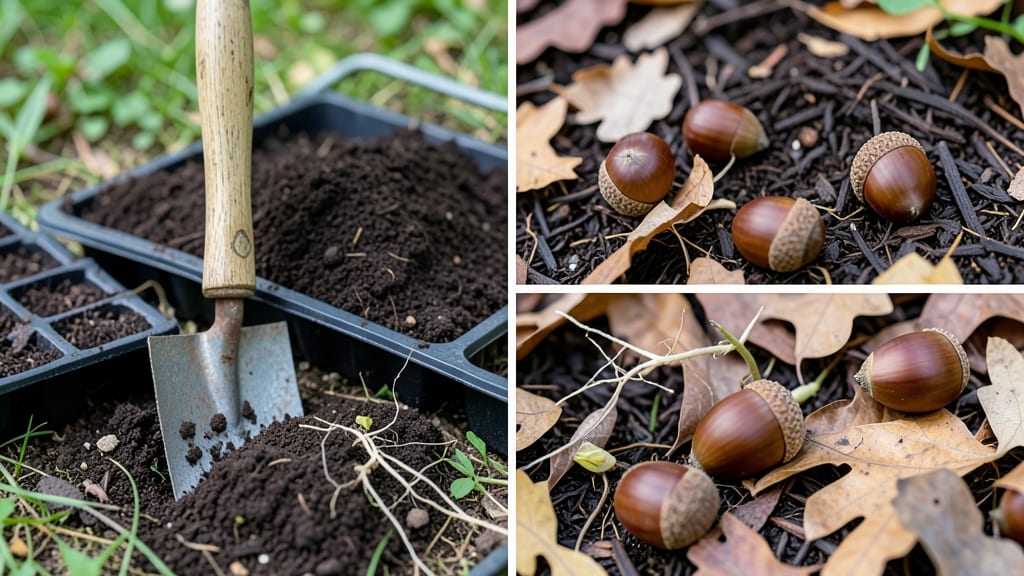
Growing acorn tree seeds into towering oaks starts with the right seeds and a little patience. 🌱 Last autumn, I collected acorns from my neighbor's white oak and planted them—now, two years later, I've got sturdy saplings reaching for the sky.
The secret isn't complicated: timing, preparation, and understanding what oak seedlings truly need to thrive.
You'll need mature, plump acorns (no cracks or holes), a shallow container for stratification, and well-draining soil. The process mimics nature's method: cold stratification for 60-90 days followed by planting in spring.
Oak seedlings grow slow but steady—expect 6-12 inches of growth in their first year if conditions are perfect. Most people rush this step and end up with weak, leggy seedlings that struggle.
By summer's end, you'll have a little forest of 2-foot saplings ready to transplant. Their deep roots and glossy leaves will outlast many nursery trees, and in 10 years, you could have a shade tree that outlives you.
The key is consistency: water deeply but infrequently, and give them full sun from day one.
Works best in zones 4-9, though oaks adapt well beyond that. The biggest challenge? Patience—oaks take time, but the payoff is unmatched. Here's where the real magic begins: watching those first leaves unfurl in spring after your winter prep.
📚 In This Guide
- What you need
- Instructions
- Tips and common mistakes
- Wrapping up and next steps
What you need
- ● Acorn seeds: Fresh, viable acorns (preferably from oak trees like white oak, red oak, or bur oak). Aim for 10-20 acorns to increase your chances of germination.
- ● Well-draining potting mix: A blend of peat moss, perlite, and sand (or a pre-mixed seed-starting mix). You’ll need about 2-3 cups per acorn for planting.
- ● Small pots or seed trays: Containers with drainage holes, such as 2-3 inch nursery pots or a seed tray with individual cells. Plan for 1 pot per acorn.
- ● Plastic wrap or clear lid: To create a mini greenhouse effect and retain moisture.
- ● Spray bottle: For gentle watering (avoid over-saturating the soil).
- ○ Fertilizer (optional but helpful): A balanced, water-soluble fertilizer (5-5-5 or 10-10-10) diluted to half-strength for early growth.
- ● Gloves: To protect your hands from tannins in acorns (which can be irritating).
- ● Small hand trowel or spoon: For planting seeds gently without damaging them.
- ● Labeling tags or markers: To track planting dates and seed types (especially useful if growing multiple varieties).
- ● Sunny windowsill or grow lights: Acorns need bright, indirect light (6-8 hours daily) to germinate. A grow light setup is ideal if natural light is limited.
- ● Patience (and a warm spot): Acorns can take 4-12 weeks to germinate, depending on the species and conditions.
- ○ Cold stratification (optional but recommended): For faster germination, soak acorns in water for 24 hours, then refrigerate them in a damp paper towel for 30-90 days before planting.
- ● Transplanting plan: Have larger pots (5-6 inches) or a garden bed ready for when seedlings are 4-6 inches tall.
- ● Acorn prep: Remove the cup-shaped cap and any remaining husk to prevent mold.
Instructions for growing acorn tree seeds into saplings
Here’s how to turn acorns into sturdy young trees—no fancy tools needed.
🌱 Step 1: Stratify the Acorns to Break Dormancy
Acorns need a cold period to germinate, so mimic winter by chilling them for 3-4 months. Place them in a sealed plastic bag with a damp paper towel—just enough moisture to keep the towel damp, not soaking. Store the bag in your fridge’s crisper drawer, where temperatures stay 35-40°F. Check monthly: if the towel dries, spritz it lightly with water.
This cold treatment tricks the seed into thinking winter’s passed. You’ll know it’s working when tiny roots (radicles) appear—usually after 8-12 weeks. Once you see these, it’s time to plant. Real talk: if you skip this step, your acorns might never sprout, no matter how patient you are.
🪴 Step 2: Plant the Stratified Acorns in Containers
Fill 4-inch deep pots with well-draining potting mix (avoid garden soil—it compacts too much). Plant each acorn 1 inch deep, covering it lightly with soil. Use 4 pots since acorns have a low germination rate. Tap the soil gently around each seed to remove air pockets, then water until moisture reaches the bottom of the pot—no soggy soil, just damp. Place the pots in a bright, indirect light spot (like a north-facing window).
Keep the soil evenly moist but not wet. Stick your finger in—if the top inch feels dry, water lightly. You’ll see first true leaves (not the initial seed leaves) in 4-6 weeks. Here’s the thing—if you overwater now, the seeds will rot before they sprout. Less is more.
☀️ Step 3: Transplant and Harden Off for Outdoor Life
Once seedlings have 3-4 sets of leaves (about 6-8 weeks after planting), they’re ready for their first move. Choose a partially shaded outdoor spot—young acorns hate direct sun. Gently remove them from pots, keeping the root ball intact, and plant them 12 inches apart in loose, well-draining soil. Water deeply right after transplanting to settle the roots.
Harden them off over 2 weeks: start with 1 hour outside on day one, then gradually increase time (and sun exposure) daily. By week two, they should handle full sun without wilting. Watch for yellowing leaves—that’s a sign of too much sun or stress. Mulch around the base with 2 inches of organic mulch to retain moisture and protect roots.
Tips & tricks for growing acorn tree seeds
These simple strategies will help you turn acorns into thriving saplings with minimal fuss.
Cold Treatment Precision: The 3-4 month stratification period is non-negotiable for breaking acorn dormancy. I learned this the hard way—skipping it means waiting years for germination. Place your sealed bag of acorns on the fridge shelf closest to the back where temps stay most consistent at 35-40°F. The crisper drawer works perfectly, but avoid the door where temperatures fluctuate. Pro tip: Write the date on your bag so you don't lose track of those crucial months.
Germination Timing: Those radicles (tiny roots) typically appear after 8-12 weeks, but don't panic if they take longer. Some acorns are more stubborn than others. Once you see roots, plant immediately—delaying by even a day can cause them to dry out. I recommend checking your acorns every 2 weeks starting at week 6. If you see mold developing, that's a sign the moisture level is too high—open the bag and let it air dry for a few hours before resealing.
Planting Strategy: The 4-pot approach accounts for acorns' notoriously low germination rates—expect only 20-30% of your seeds to sprout. When planting, gently press the soil around each acorn rather than patting it down, which can compact the soil too much. For the 4-inch deep pots, use a mix that's specifically labeled "seed starting" for best results. These mixes have the perfect balance of moisture retention and drainage that acorns need during their delicate early growth phase.
Light Management: Bright, indirect light is key during the first 6 weeks. A north-facing window works best, but if that's not available, place your pots under grow lights for 12-14 hours daily. I've found that south-facing windows can be too intense—you'll know if it's too much when seedlings start leaning toward the light or develop yellow patches. Rotate your pots every few days to ensure even growth all around.
Pro Tips for Acorn Tree Seeds
- These simple strategies will help you turn acorns into thriving saplings with minimal fuss.
- Cold Treatment Precision: The 3-4 month stratification period is non-negotiable for breaking acorn dormancy.
- Germination Timing: Those radicles (tiny roots) typically appear after 8-12 weeks, but don't panic if they take longer.
Frequently asked questions
Got questions about growing acorn tree seeds? You’re not alone! Here are answers to the most common queries—whether you’re a beginner or just troubleshooting a tricky step.
How long does it take for an acorn to sprout?
Most acorns sprout within 4–8 weeks after planting, depending on moisture, temperature (ideal: 60–70°F), and species. Oak species like white oak may take slightly longer (up to 10 weeks). Patience is key—keep soil consistently moist but not soggy!
Can I grow acorns from any oak tree?
Not all acorns are created equal! Only acorns from mature, healthy oak trees (like red, white, or pin oak) are viable. Avoid acorns from galls, mold, or shriveled shells—these won’t sprout. Pro tip: Look for plump, brown caps still attached for the best chances!
What’s the best way to speed up germination?
Cold stratification mimics winter and boosts success. Soak acorns in water for 24 hours, then place them in a damp paper towel or peat moss in a sealed bag in the fridge for 6–8 weeks. After stratification, plant them ½-inch deep in well-draining soil. No fridge? Try outdoor winter planting!
Why won’t my acorn sprout after planting?
Common culprits: dormancy (needs stratification), dry soil, or poor-quality acorns. Check for rot or pests—if the acorn smells bad or has mold, it’s likely dead. Try a fresh batch or test a few acorns in water (floaters = bad, sinkers = potential!).
Can I plant acorns directly outside in my yard?
Yes! Acorns thrive outdoors if planted in fall or early spring in a sunny spot with well-draining soil. Dig a hole twice as deep as the acorn, cover lightly, and water gently. Mulch helps retain moisture—just avoid compacting the soil. No need for pots unless you’re in a cold climate!
Bonus Tip:
Label your acorn seedlings! Oaks grow slowly (5–10 years to maturity), and keeping track helps you monitor progress. Bonus: If you’re in a fire-prone area, plant acorns in mineral soil—oaks naturally regenerate after wildfires!
Wrapping up and next steps
Growing acorn tree seeds into thriving saplings is a rewarding journey that connects you to nature’s timeless cycle. 🌱 With the right tools, patience, and care, you’ve learned how to nurture these seeds from dormancy to a sturdy young tree—ready to stand tall for decades.
Whether you’re a gardening novice or a seasoned green thumb, this process is a celebration of growth, resilience, and the simple joy of watching life unfold.
Now that you’re armed with knowledge, why not take the next step? Share your success with fellow plant enthusiasts, experiment with different oak species, or even plant your sapling in a community garden. Your green thumb is just getting started—what will you grow next?